
Rogue Heroes’ WWII comeback proves streaming can still binge “mad bastards,” not just prestige
Steven Knight’s two-season series is driving major streaming momentum and hitting the exact Band of Brothers sweet spot.
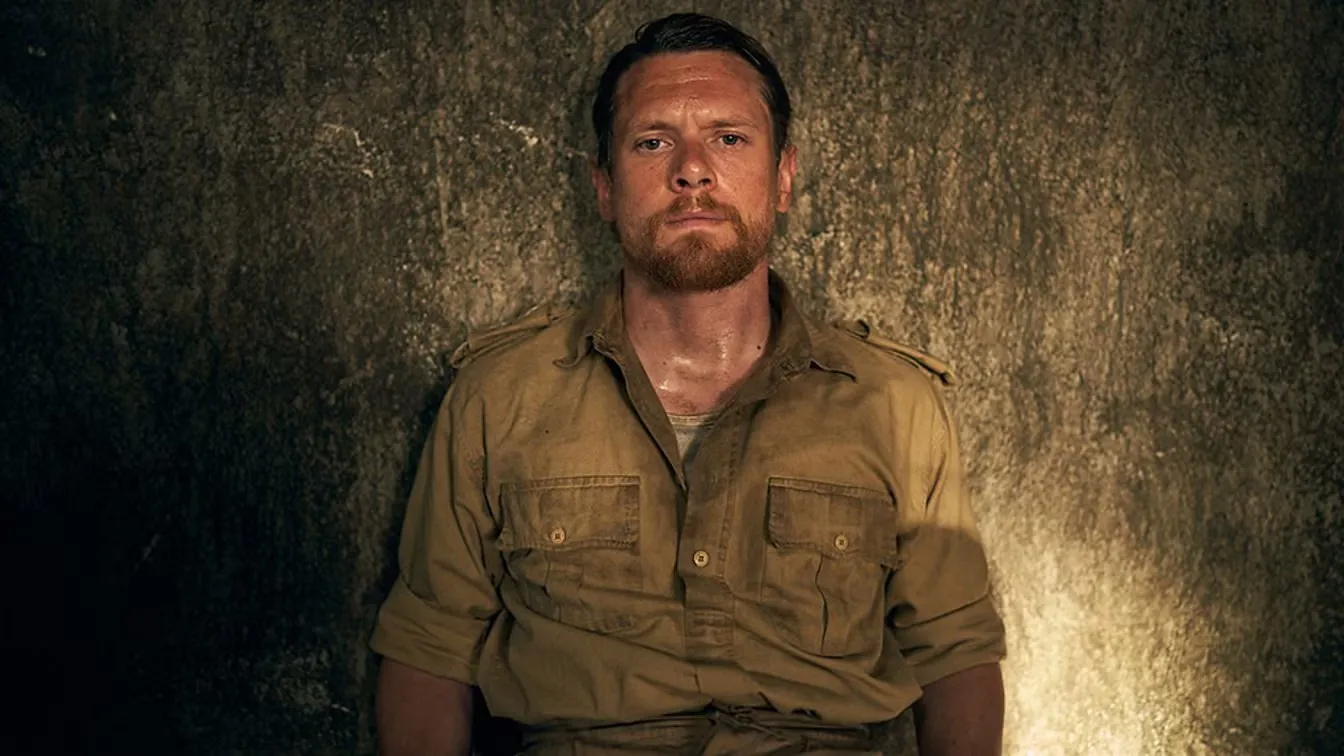
Rogue Heroes, the two-season WWII series created by Steven Knight, is emerging as a streaming hit. For executives, its performance signals that war storytelling built around chaos and improbable missions can still outperform generic “prestige” in attention markets.
There’s a reason “Band of Brothers” still gets name-dropped like a gold standard. It didn’t just show war. It turned the battlefield into a place where brutality, sacrifice, and chaos all collide, and where missions that should never work somehow do, changing everything.
Now 25 years later, Steven Knight’s two-season WWII follow-up, “Rogue Heroes,” is being framed as officially crushing streaming, and Collider positions it as the perfect continuation for viewers who loved that specific kind of historical adrenaline. The immediate takeaway for decision-makers is simple: the audience is not just craving war content. They are craving the version of war that feels impossible, then explains how those “mad bastards” somehow shift the tide in Africa.
At a content-strategy level, that matters because streaming success is rarely just about having “a good show.” It is about aligning with what keeps people from switching tabs. Collider’s description makes the case that “Rogue Heroes” delivers that alignment by leaning into absurd-but-believable mission pressure. In other words, it is not only focusing on the parts of WWII people already know. It is spotlighting the weird, high-friction moments where strategy is not enough, and execution becomes its own drama.
This is the same reason war stories like “Saving Private Ryan,” “Band of Brothers,” and “Dunkirk” tend to linger in cultural memory. They bring to life what we cannot fully comprehend until it is shown. The battlefield becomes more than a setting. It becomes a narrative engine. Collider’s comparison points to a pattern: enduring WWII storytelling usually makes viewers feel the chaos, not just the chronology.
And that is where “Rogue Heroes” is positioned differently from more generic depictions of WWII. The series is described as an entertaining watch that follows a band of “mad bastards” as they help change the tide of the war in Africa, ultimately creating what would become one of the most prestigious military units in history. That is not just thematic flair. It is the kind of plot promise that can translate directly into retention. People return because the story is structured around momentum: missions, setbacks, and improbable outcomes.
For streaming businesses and investors, this is a reminder that the “premium content” playbook is not one-size-fits-all. Yes, prestige is real. But attention is also behavior. Shows win when they give viewers a reason to stay, not just a reason to admire. Collider’s framing implies “Rogue Heroes” is doing both, borrowing the emotional DNA that made “Band of Brothers” a benchmark while shifting the focus to Africa and to a unit origin story with high-octane momentum.
Second-order implications extend into programming and risk decisions. War productions can be expensive and logistically intense, and when the audience has more choices than ever, the bar for engagement is higher. If “Rogue Heroes” is landing as a “delightfully entertaining watch,” that suggests the combination of recognizable genre DNA and a specific narrative flavor can still cut through. For boards and executives weighing renewals, greenlights, and marketing spend, that is useful because it points to a measurable driver: viewer demand for chaos-forward storytelling, not just historical backdrop.
It also lands in a market moment where streaming catalogs are increasingly judged by breadth and repeatability. When executives plan around what “stays relevant,” they often over-index on safe familiarity. “Rogue Heroes” has built-in familiarity through its WWII frame and the fact it is being explicitly compared to “Band of Brothers.” But it also introduces its own hooks through the “mad bastards” framing and the Africa turning-point premise. That balance can be a template: use what the audience already trusts, then give them a fresh narrative mechanism that produces bingeable tension.
The strategic stakes are clear for anyone in leadership roles across streaming, studios, distribution, and investment: the market is still rewarding well-executed storytelling where missions, chaos, and survival pressure collide. In an environment where executives are constantly asking what will keep churn down and subscriptions up, “Rogue Heroes” is being positioned as proof that the genre can still deliver mass attention, especially when it mirrors the emotional rhythm that made “Band of Brothers” a benchmark in the first place.
This story's Key Insights and Take-aways are locked.
Create a free account to unlock Executive Actions for one credit.
Register to UnlockAlways free for Executives Club members. Join the Club
More in Entertainment
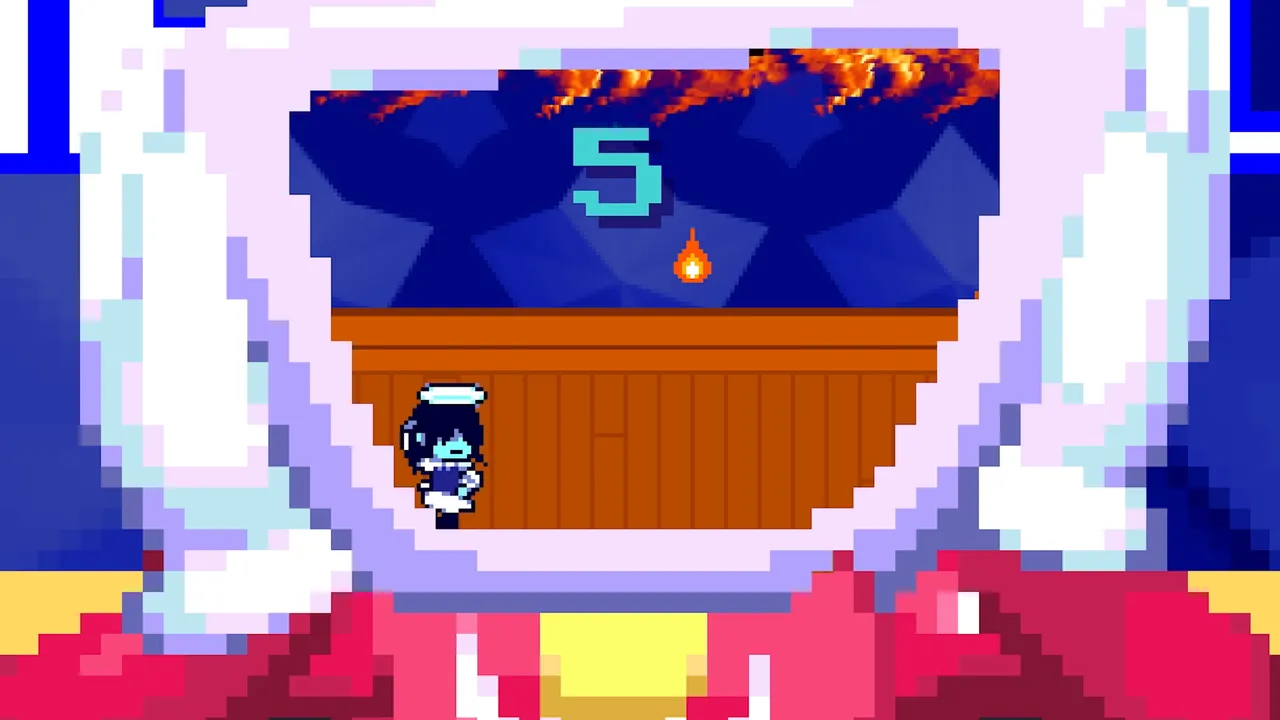
Deltarune Chapter 5 smashes 300,000 Steam peak just minutes after launch
Within minutes, Toby Fox's episodic RPG blows past its own record, changing what “momentum” looks like on Steam.
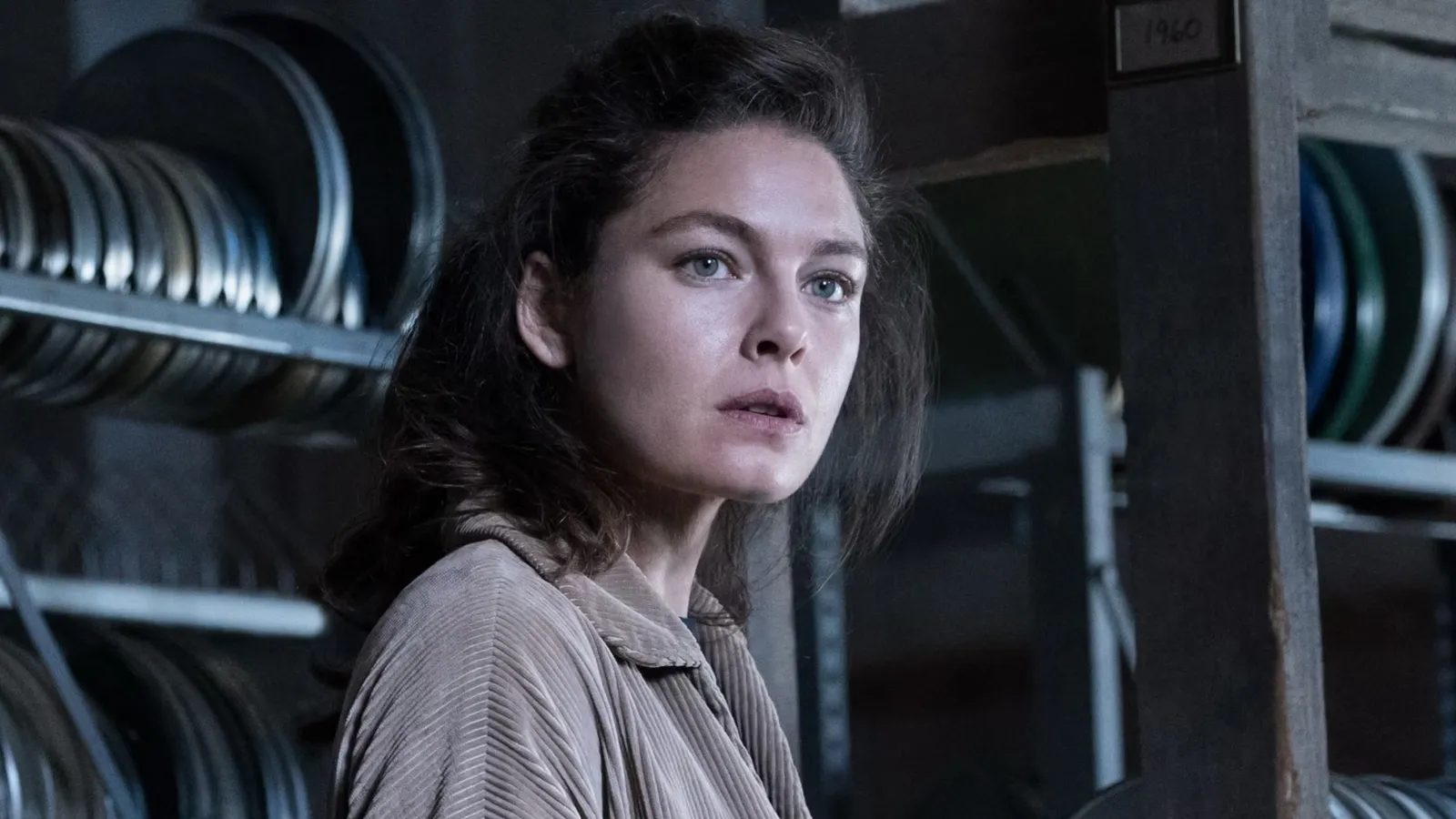
Netflix builds its Philip K. Dick comeback, betting on its most ambitious sci-fi since the 2010s
The streamer is adapting an obscure Philip K. Dick story, and the stakes go beyond prestige sci-fi.
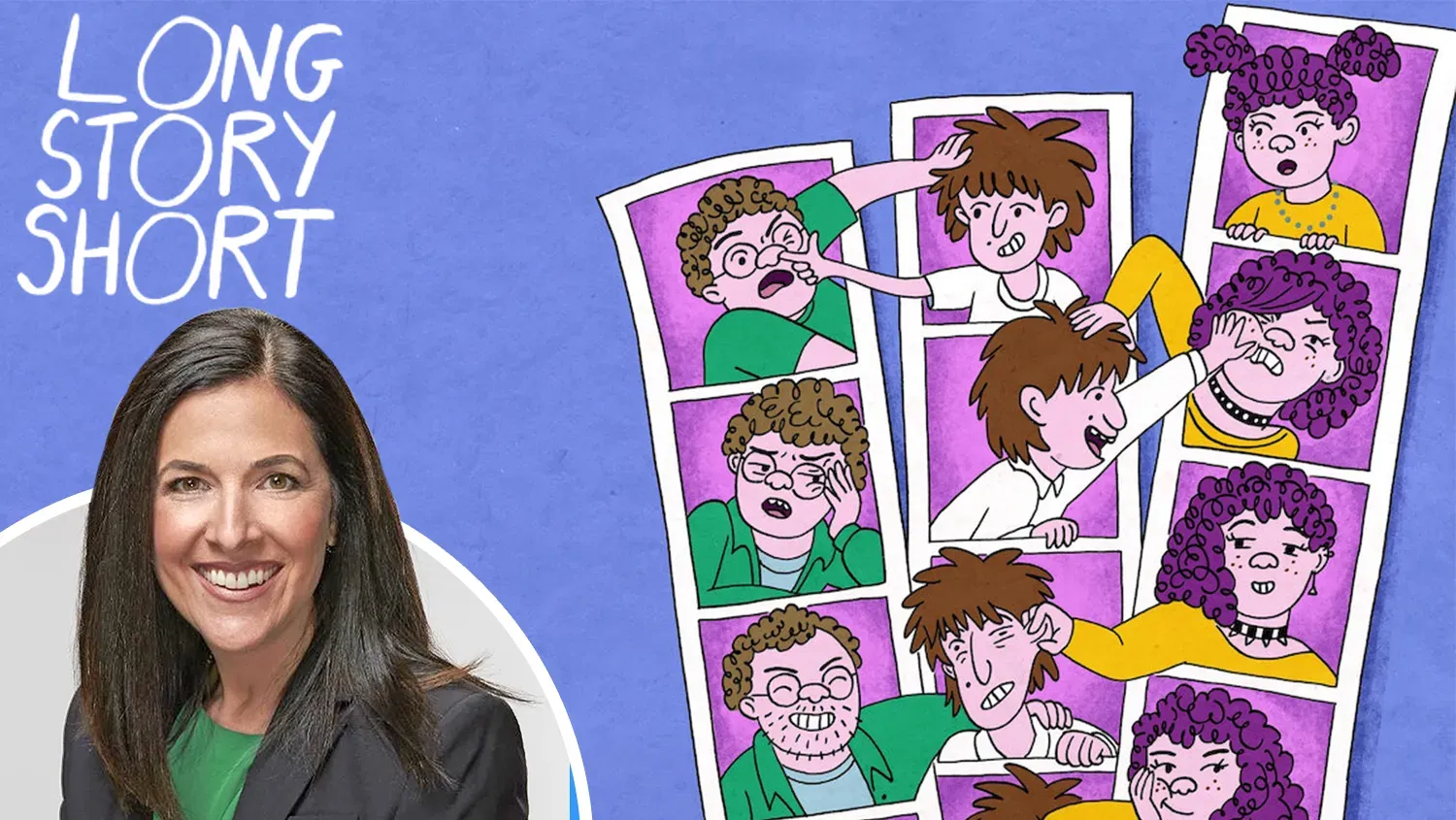
Netflix pulls adult animation back under Tracey Pakosta
The streamer reverts to its 2020 org setup, reshuffling who owns adult animation inside Comedy Original Series.