

Rotten Tomatoes crowns every pick LGBTQ+ movie as Certified Fresh
From 1931's Mädchen in Uniform to 2024's Good One, the list sets a quality bar and sparks debates about representation.

Rotten Tomatoes published a Best LGBTQ+ Movies of All Time list curated from a longlist of hundreds, and every movie included is Certified Fresh. For decision-makers, the move turns film diversity into a measurable standard, while the site itself flags representation debates that will keep coming.
Rotten Tomatoes just did something rare in culture coverage: it made “best of” synonymous with “Certified Fresh.” The Best LGBTQ+ Movies of All Time list stretches back 90 years to the pioneering German film Mädchen in Uniform (1931) and, crucially, states that every title on the list is Certified Fresh.
That matters because the list is not framed as a consolation prize for outsiders. It is positioned as a quality benchmark. Rotten Tomatoes says the movies were culled from a longlist of hundreds and that candidates prominently feature gay, lesbian, trans, or queer characters; center LGBTQ+ themes; and present LGBTQ+ characters in a fair and realistic light and/or serve as a touchpoint in the evolution of queer cinema. The list also explicitly crosses genres and continents, ranging from American comedies like The Birdcage to Korean crime dramas like The Handmaiden, groundbreaking indies like Tangerine, and landmark documentaries like Paris Is Burning.
If you are an executive, investor, or operator, the interesting part is not just the curation. It is the signaling. “Certified Fresh” is an explicit quality tag, and applying it across a catalog that spans mainstream studio comedy, global art cinema, and activism-forward documentary changes how the audience will justify attention and investment. When the platform’s own framing says these stories are top-tier, it lowers friction for programming decisions, marketing allocations, and platform commissioning. In other words: this is a quality seal slapped onto a category that historically had to argue it deserved the spotlight.
The slate also shows how broad the definition of “LGBTQ+ cinema” is being treated here. Recent additions include the documentary Welcome to Chechnya (about LGBTQ+ activists risking their lives in Russia); Certified Fresh comedy Shiva, Baby; and Netflix's The Old Guard, described as a rare movie that shows a same-sex relationship between two of its heroes. Then you get docu-journalistic urgency next to romantic or identity-centered storytelling. For example, Welcome to Chechnya (2020) is listed with a 100% Critics Consensus calling it an “illuminating and urgent call to action” about mass persecution in the Chechen Republic, with activists risking their lives to confront Russian leader Ramzan Kadyrov and his government-directed campaign to detain, torture and execute LGBTQ Chechens.
The list makes another strategic choice: it names debate territory instead of pretending it does not exist. Rotten Tomatoes acknowledges that some films on the list may re-ignite “healthy debates” that have been fixtures in LGBTQ+ film discussions. The debates it flags are straight actors playing gay characters, cis actors playing trans characters, and the historical dominance of white male perspectives. It encourages those debates to continue “respectfully” in comments, and it also notes, with a wink, that But I’m a Cheerleader is missing because it is Rotten. That is not just editorial trivia. It is a reminder that “quality” and “representation” are often contested at the same time, and platforms are increasingly managing both.
On the ground, you can see the range of genres and narrative focuses in the ranked entries. #1 is Scream, Queen! My Nightmare on Elm Street (2019), with a synopsis that centers actor Mark Patton sharing his story of being a closeted gay man while starring in “A Nightmare on Elm Street 2: Freddy's Revenge.” #2 is Welcome to Chechnya (2020) at 100%. #3 Mucho Mucho Amor: The Legend of Walter Mercado (2020) covers Puerto Rican astrologer and psychic Walter Mercado and his life, career, and post-fame seclusion. #4 My Name Is Pauli Murray (2021) at 94% highlights Pauli Murray’s role long before Rosa Parks refused to surrender her bus seat, and a decade before the U.S. Supreme Court overturned separate-but-equal legislation. #5 A Secret Love (2020) at 100% follows a former baseball player keeping her lesbian relationship a secret from her family for seven decades.
Then the list flows into historical turbulence, identity formation, and love stories. We Were Here (2011) is positioned around crises facing the gay community in the early 1980s and the resolve shown during turmoil. Maedchen in Uniform (1931) is the earliest anchor and is described as beautifully filmed and performed, handling its subject matter without easy melodrama. BPM (Beats Per Minute) (2017) at 99% looks at a young man joining an AIDS activist group in 1990s Paris. Moonlight (2016) at 98% uses three chapters in the life of Chiron, a young black man growing up in Miami. Flee (2021) at 98% uses vivid animation to tell Amin Nawabi’s story, including a painful secret he has kept hidden for 20 years. God’s Own Country (2017) at 98% frames a quiet rumination on loneliness and intimacy around a young farmer and a Romanian migrant worker. And the list continues to newer entries like Will & Harper (2024) at 99%, Kokomo City (2023) at 99%, and Good One (2024) at 98%, where the synopsis begins with 17-year-old Sam (Lily Collias) embarking on a three-day back.
So what is the executive stakes? For peers making content strategy decisions, this list is a reminder that LGBTQ+ programming is no longer only a mission statement or a niche bet. It can be a mainstream quality play, backed by an audience-facing certification. At the same time, Rotten Tomatoes is clearly signaling it expects scrutiny. When representation debates get named alongside quality labels, the brand is betting that measured, data-backed curation can handle the complexity without erasing it. If you are building an IP pipeline, commissioning slate, or board-level narrative around inclusion, the question becomes: can you treat LGBTQ+ stories as both culturally necessary and commercially credible, without dodging the hard questions that come with whose faces get to be seen and lived on screen?
This story's Key Insights and Take-aways are locked.
Create a free account to unlock Executive Actions for one credit.
Register to UnlockAlways free for Executives Club members. Join the Club
More in Entertainment
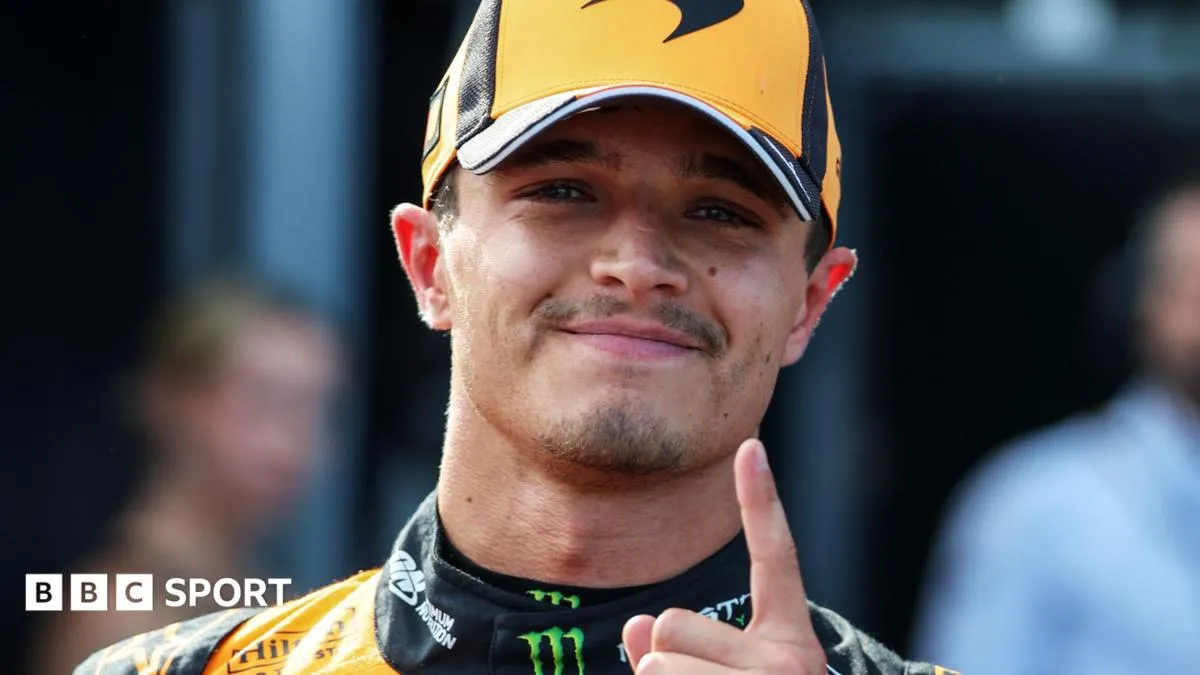
Norris grabs Hungary pole, as Hamilton penalised for impeding Piastri
A pole shift at the top as a stewards call changes the championship math and the weekend’s power dynamics.

Katy Perry blasts White House TikTok over 'Firework' soundtrack for Iran strikes
The pop star says she was neither consulted nor permitted as the administration paired her 2010 hit with military footage.

Animator Jean Nguyen’s Steam RPG Dinoblade sells 36,000 copies in 24 hours
Sucker Punch animator Jean Nguyen’s Dinoblade hits 36,000 sales fast, topping 600,000 wishlists and a Very Positive start.