
Russell Crowe’s The Last Druid casts Rose Leslie and Drew McIntyre
The Hollywood power move behind Crowe’s next epic blends Game of Thrones prestige and WWE scale.
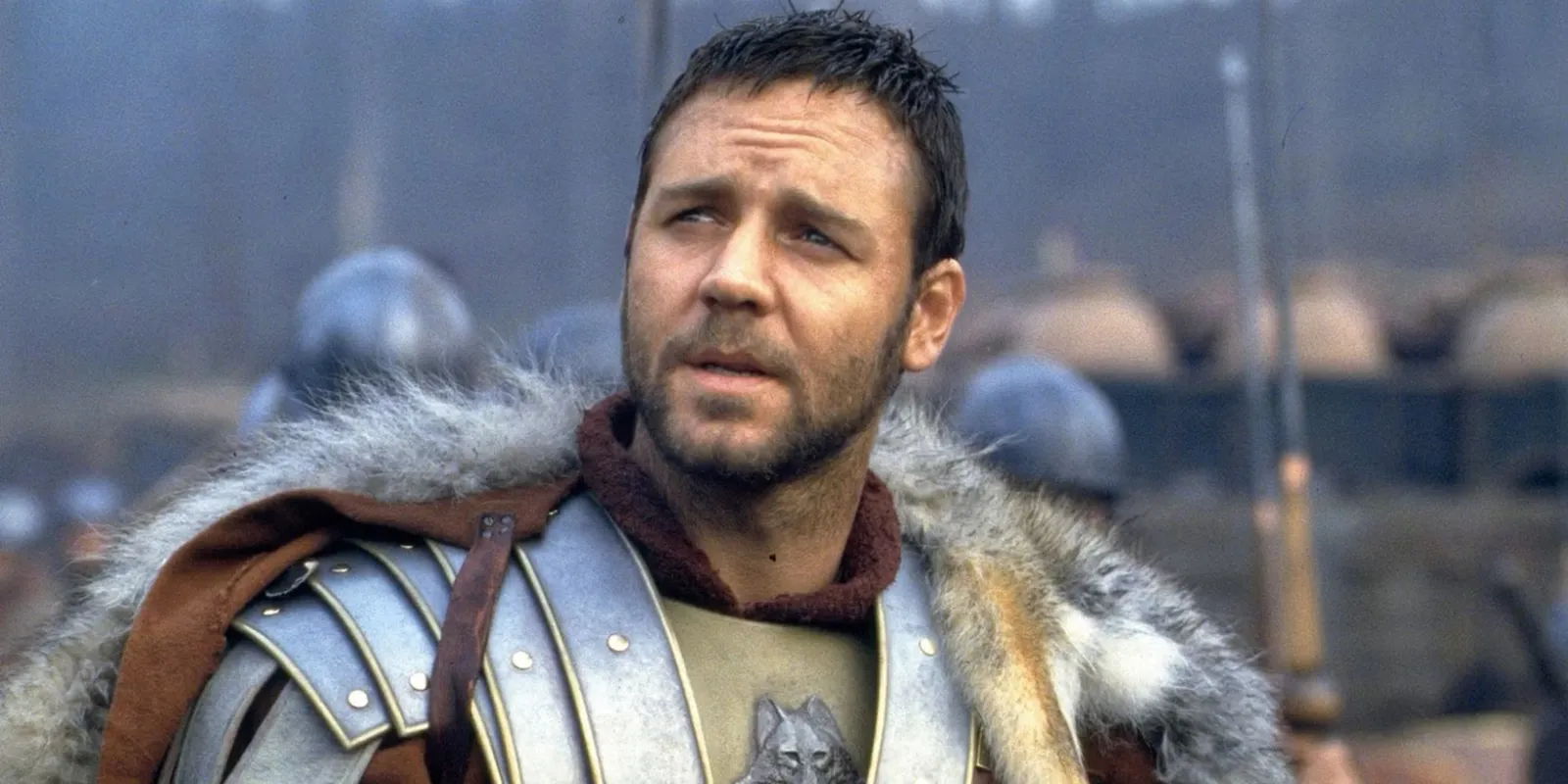
Russell Crowe’s next historical epic, The Last Druid, has cast Game of Thrones star Rose Leslie and WWE star Drew McIntyre. For decision-makers tracking talent, IP, and franchise risk, the move signals a deliberate pivot back to sword-and-sandals on Crowe’s terms.
Russell Crowe is returning to the big-screen arena again, this time with a fresh fantasy epic called The Last Druid. Collider reports that the project has cast Rose Leslie, known for starring in Game of Thrones, and Drew McIntyre, the WWE star. Put simply: Crowe is putting together a high-visibility ensemble that mixes prestige TV momentum with mainstream sports-entertainment reach.
This casting news matters because it is not just another title update in a crowded release calendar. Crowe already made headlines for stepping away from Gladiator II, the 2024 sequel to Gladiator, after creative differences over how his character’s legacy was handled. Collider notes that he distanced himself from the production and has been vocal in his criticisms. In other words, The Last Druid is shaping up to be the “do it again, but his way” follow-up after a public rupture. That is the kind of context executives and boards recognize immediately: when a star leaves one tent pole over creative control and narrative legacy, the next tent pole becomes a stress test for everyone involved.
Crowe’s career path is the backdrop here. Collider reminds readers of his Oscar-winning breakthrough as Maximus Decimus Meridius in Ridley Scott’s Gladiator. That role did not just make him famous, it anchored him to a specific on-screen identity: heavyweight, historical epic, crowd-pleasing spectacle with gravitas. Even when he is not the sole reason a film succeeds, this kind of brand equity changes how a studio and a production team structure risk. Historical epics are expensive to mount, and they usually rely on predictable audience behavior: major stars draw attention, recognizable genres reduce uncertainty, and established tones help marketing land.
So why does the talent mix in The Last Druid stand out? Rose Leslie brings an immediately legible prestige signal from Game of Thrones, a title that has both cultural staying power and a built-in audience for fantasy storytelling. Drew McIntyre, coming from WWE, brings a different kind of distribution energy. Wrestling stars are not just athletes; they have proven track records in performance craft and spectacle, plus they come with a ready-made fan base that lives online and shows up for big moments.
For executives, this is where the second-order implications start to show. When a project crosses the lines between TV fantasy prestige and sports-entertainment fandom, it can expand the addressable audience, but it also raises coordination complexity. The marketing team has to translate the movie’s tone into language that both groups understand quickly. The casting director has to balance acting credibility with audience magnetism. And the production side has to deliver a story that can support both “serious myth” expectations and “event-level” spectacle.
The most interesting dynamic in the source is not the genre blend; it is the lesson from Gladiator II. Collider frames Crowe’s absence as creative differences regarding how his character’s legacy was handled. Even without adding extra claims, the underlying takeaway is clear: legacy is not a footnote. For an actor with a signature role, narrative continuity can become a negotiation point. That means The Last Druid is likely being treated internally as more than just a new project. It is being treated as a correction, a chance to align the story, the tone, and Crowe’s place in the brand ecosystem.
From a broader market lens, this kind of star-driven pivot can affect how peers approach similar tent pole planning. When a leading actor publicly critiques a prior project and steps away, it signals to the industry that creative alignment is not optional. Studios and producers often spend years building franchise assumptions, but a single high-profile departure can trigger a rethink of governance, approval processes, and how much creative autonomy a star expects. That does not automatically change budgets or timelines overnight, but it can change how teams structure decision-making so the next attempt avoids the same collision.
For decision-makers watching film and entertainment ecosystems, The Last Druid offers a real-time case study in how casting, creative control, and legacy branding intersect. Crowe has returned to a genre lane where he historically thrives, but the “on his terms” angle is the strategic stake. If The Last Druid lands, it validates the approach of using recognizable talent and crowd power while protecting the star’s sense of story ownership. If it misses, the costs will still be paid in attention and credibility. Either way, Rose Leslie and Drew McIntyre are not just names on a casting list. They are signals, built to help Crowe step back into battle with an audience that is already primed to notice.
This story's Key Insights and Take-aways are locked.
Create a free account to unlock Executive Actions for one credit.
Register to UnlockAlways free for Executives Club members. Join the Club
More in Entertainment
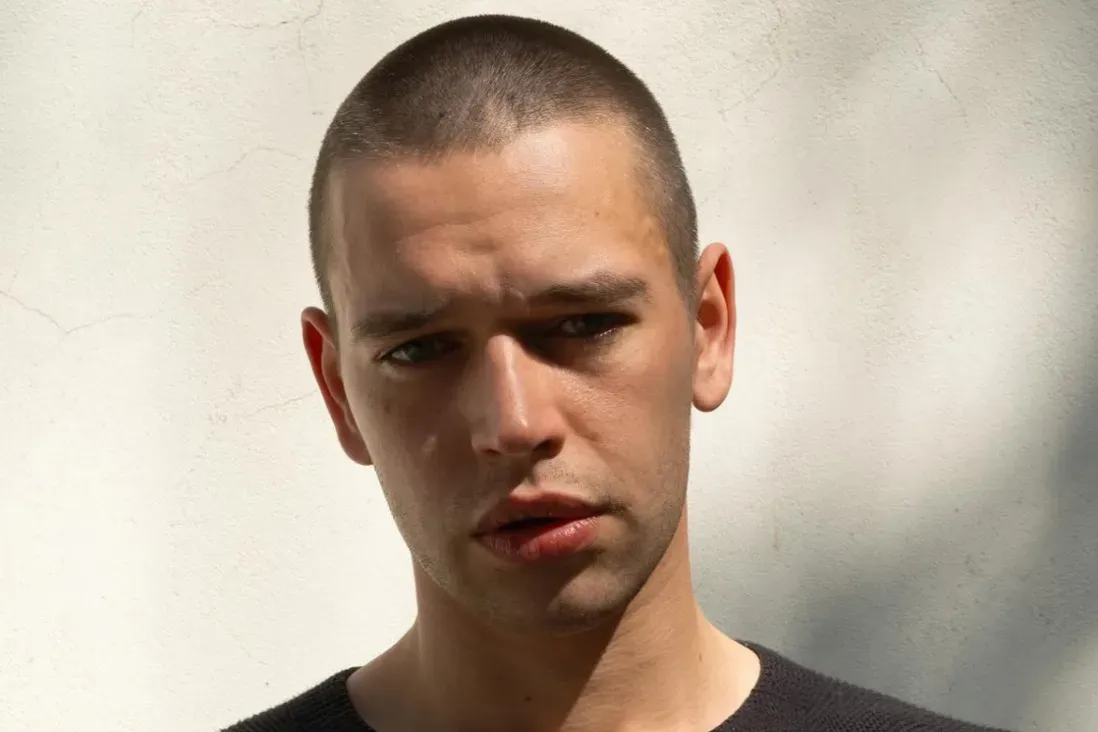
Starfleet Academy names newcomer Ruaridh Aldington a Season 2 series regular
At San Diego Comic-Con's Star Trek 60th anniversary panel, Aldington joins as Keats, a high-stakes mystery for the cadets.
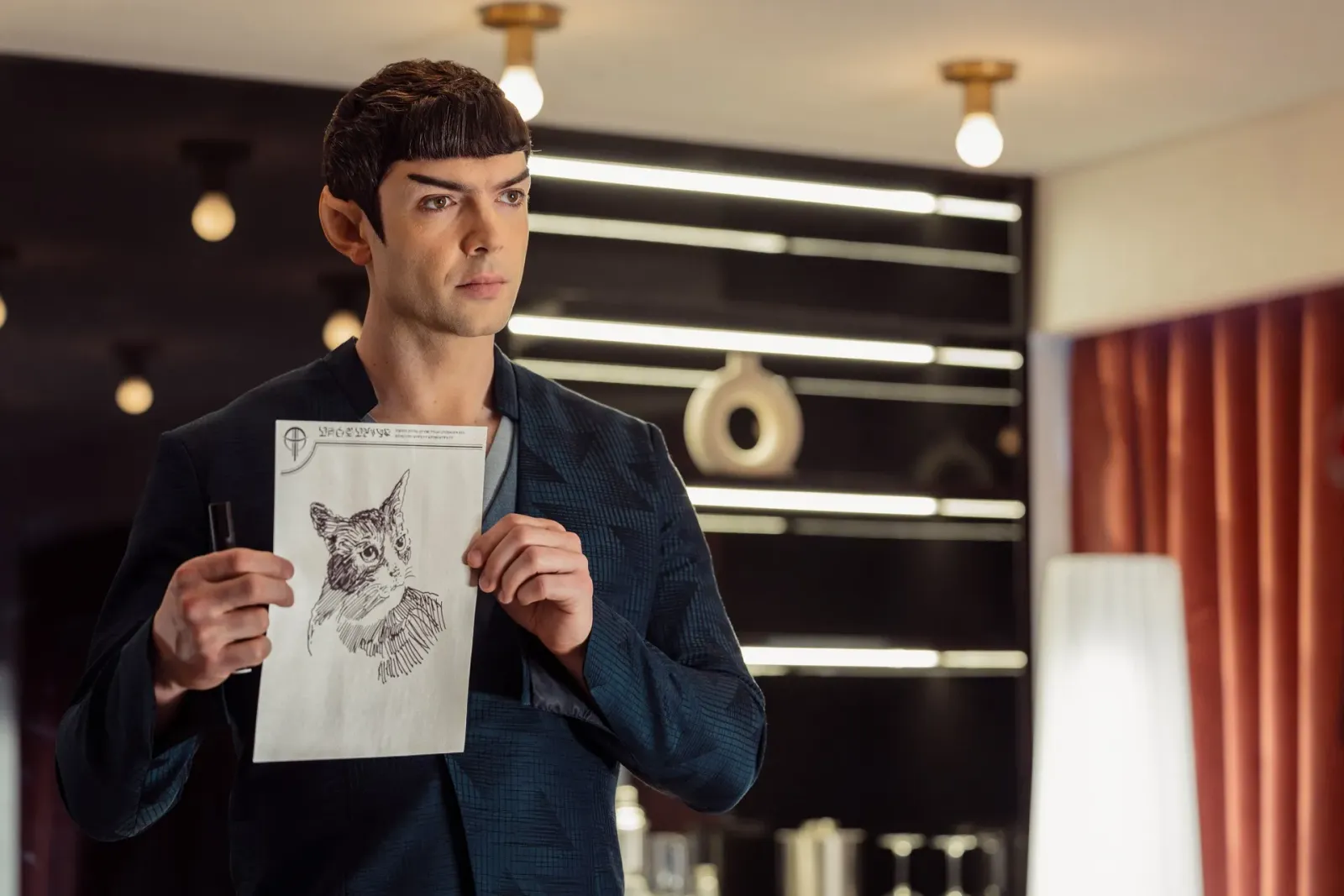
Akiva Goldsman drops Strange New Worlds Season 4 timing: weekly until Sept. 24
Star Trek’s co-showrunner uses Comic-Con to lock in the release calendar for Paramount+ Season 4.
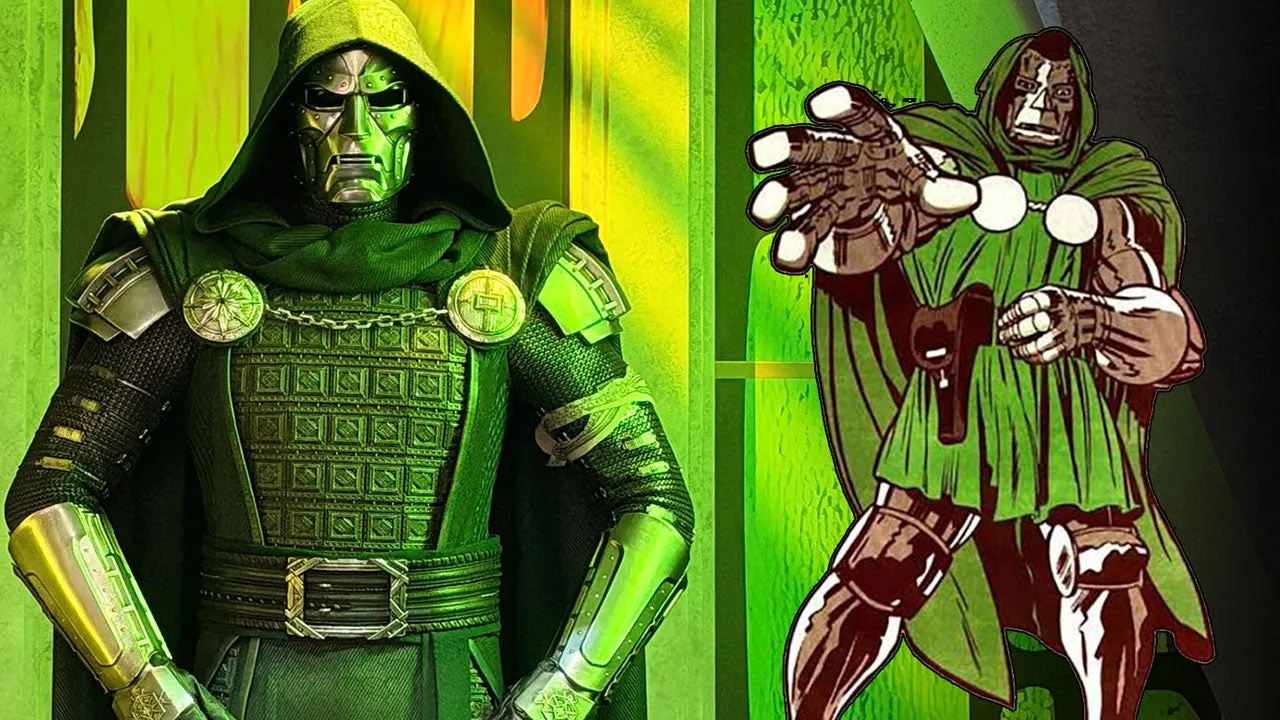
Marvel’s Avengers: Doomsday Doom armor stays faithful to comics, but adds samurai-style upgrades
A fresh look at Robert Downey Jr. as Victor von Doom at Comic-Con shows what Marvel kept, changed, and why it matters.