

Sam Neill answered Guardian readers on Bond, Jurassic Park, and “goodie” life
His final conversations reveal how he viewed fame, fear, and craft, ending with a simple self-check.
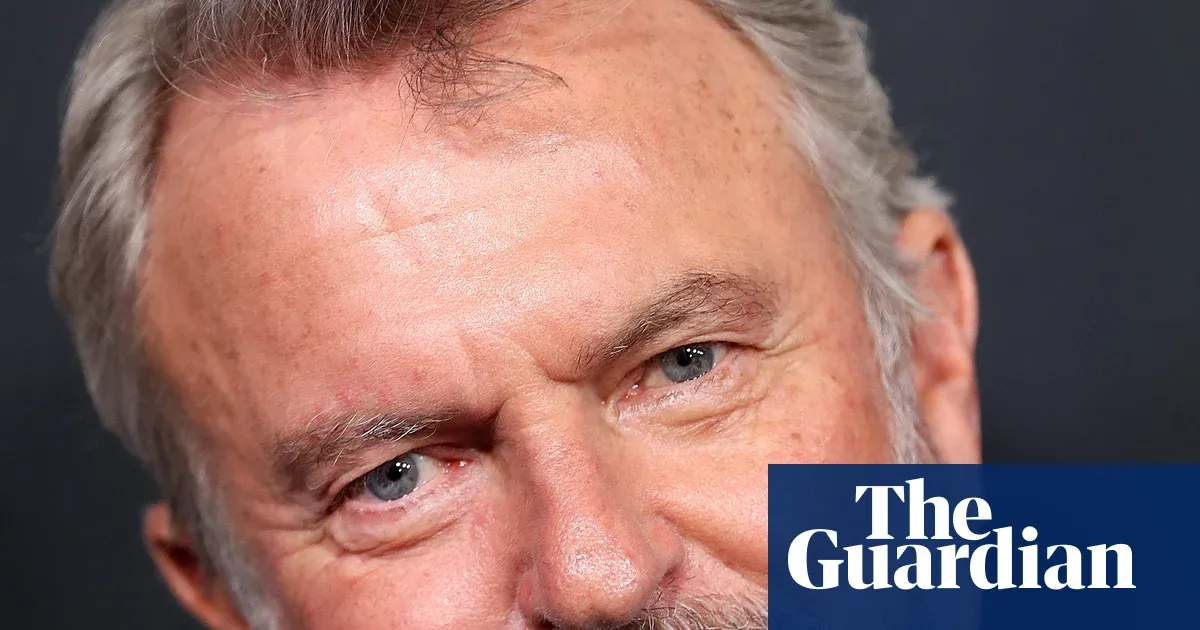
Actor Sam Neill, who has died aged 78, recently answered Guardian readers' questions in interviews that appeared in 2023, 2024, and 2026. For decision-makers in media and entertainment, his remarks map the reputational tradeoffs of iconic roles and the human side of long careers.
Sam Neill, who has died aged 78, used his recent Guardian reader Q&A interviews to talk about missing out on James Bond, the “true terrors” of Jurassic Park, and why he called himself a “goodie” in life. He also weighed in on an unusually specific behind-the-scenes detail: why he called his prize cow Helena Bonham Carter and Peter Bradshaw.
In the exchange, Neill also answered a question about whether he consulted a canine expert for how to regress into a dog in Dean Spanley. He said, “There was no consultation.” Instead, he explained that he had studied dogs over the years, “wittingly or unwittingly,” and that he had dogs “all my life,” adding that he “understand[s] them better than [he does] people.” That mix of method and humility is the through-line that makes these final answers feel less like celebrity content and more like craft lessons for anyone who has to perform under a spotlight.
If you work in entertainment, the obvious part of the story is the star power. The non-obvious part is what an interview like this does to decision-making across the ecosystem. Roles like James Bond and Jurassic Park are not just credits. They are brand associations that follow an actor, an agent, and often the projects they greenlight later. When Neill answered readers about missing out on Bond, the subtext for everyone around him is that career paths are built on a few near-misses that can shape decades.
Jurassic Park is an especially interesting reference point because the word “terror” is doing real work here. Neill called out “the true terrors” of the film, which matters because it reframes fear as something constructed, not merely felt. For producers, directors, and creative executives, that distinction is an operational one. Fear sells, but fear that is honestly engineered sells longer. The longer an audience remembers a performance, the more likely it is that future casting, marketing partnerships, and distribution decisions will anchor to that “memory premium” rather than to current trends.
Then there is the craft detail about regression into a dog in Dean Spanley. Neill’s point that “there was no consultation” is basically a reminder that expertise can come from lived experience, not just from hired consultants. He described having a Staffy for 15 years and offered a vivid model of dog emotion: “every flicker of guilt or pleasure is written all over their faces.” He also talked through what would happen if he left, including the idea that his dog would “plunge into despair,” then later “shun” him after he returned. In other words, the animal performance is grounded in behavioral observation.
Executives should notice the second-order effects of that kind of statement. When audiences hear that an actor leaned on real familiarity, it can boost trust in the authenticity of the project. That, in turn, affects how marketing teams frame “believability” and how audiences interpret special effects, makeup, and performance together. It also influences how boards and finance teams think about production risk. If the creative team can credibly argue that performance authenticity comes from inside the actor, it may reduce the need for expensive external consultation in some cases, or at least justify spending differently.
There is also an incentives layer. Q&A interviews create a feedback loop between public perception and future opportunity. Neill’s remarks about missing out on Bond, plus his reflections on iconic projects, show the way actors manage narrative when they cannot control casting outcomes. He did not just talk about what he did. He talked about what he did not get, and about what he learned anyway. That posture is a reputational strategy, whether he intended it or not. It keeps the focus on professionalism and on the work itself, not on resentment, and it preserves relationships across an industry where casting rumors and producer networks travel fast.
On the question of why he called his prize cow Helena Bonham Carter and Peter Bradshaw, Neill’s Guardian appearance signals something more general: celebrities may be wired for image, but audiences keep paying attention when the details are specific and slightly playful. In media, specifics are a currency. They make a brand feel less like advertising and more like a person. For companies tracking engagement metrics, that matters because Q&A style content can outperform glossy promotional campaigns by earning “pause time,” the rare attention that lets readers actually absorb the story.
For peers in entertainment leadership, this final cluster of interviews underscores a simple but important strategic stake: the industry moves at the speed of headlines, but legacies are built in quiet choices. Whether you are casting, producing, financing, or advising, the durable value is authenticity under pressure. Neill’s answers show how craft, experience, and a willingness to be direct about process can outlast the noise of the moment. And if his last conversations leave you with anything, it might be the way he framed his own life as good, a self-check that feels like a closing line, not a promotional tagline.
This story's Key Insights and Take-aways are locked.
Create a free account to unlock Executive Actions for one credit.
Register to UnlockAlways free for Executives Club members. Join the Club
More in Entertainment

12TB Steam 'teraleak' goes beyond Valve: GTA 3, Mafia 2 prototypes exposed
A 12-terabyte dump of Steam data reveals prototypes and builds of third-party classics like GTA 3 and Mafia 2, plus unreleased Valve content, rewriting game history.

LinkedIn's romance problem: 1 in 4 workers say dating on it is fair game
A new survey shows a quarter of U.S. employees treat the professional network as fair game for romance, even as LinkedIn bans it and removes hundreds of thousands of offending posts.

Enhypen's first No. 1 album breaks K-pop's Billboard 200 streak
The K-pop group's 98,000-unit debut tops the chart while Dolly Parton's catalog reentry shows how death reshapes streaming.