
SBI Funds Management IPO opens 7% above offer price, signaling cautious investor appetite
The company’s public debut at a 7% premium on the listing day matters for India’s fund market expectations and flows.
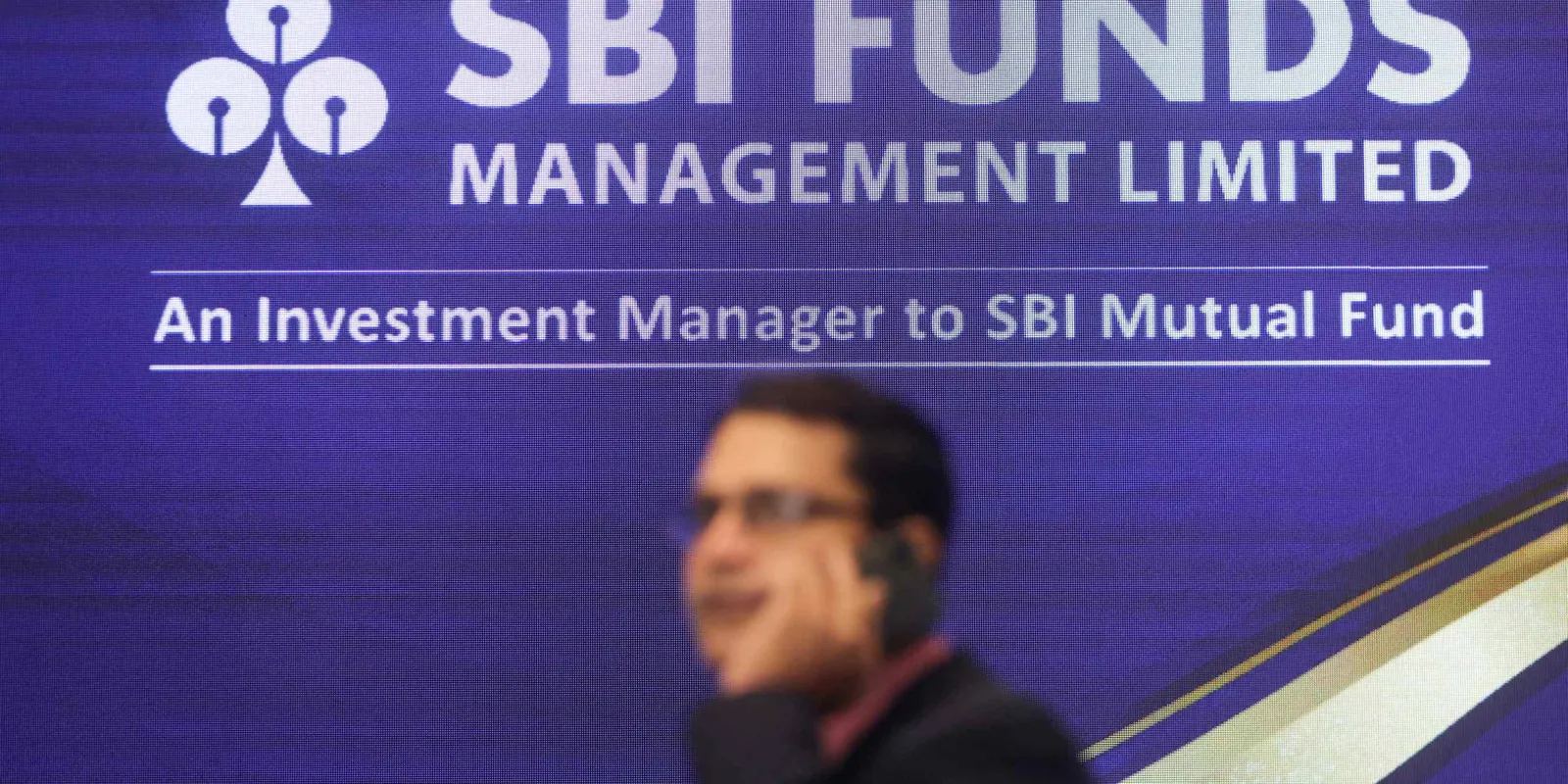
SBI Funds Management listed in India’s public markets at a 7% premium to its offer price, per Nikkei Asia. For decision-makers, the opening trade offers a read-through on how investors are pricing India’s asset managers in the current risk mood.
SBI Funds Management hit the market with a 7% premium versus its offer price at its public debut, according to Nikkei Asia. In IPO terms, that is not a monster pop, but it is also not the “sell first, ask questions later” kind of opening. It is a fairly crisp signal that at least the first wave of public-market buyers saw value in the deal on day one.
To understand why that matters, you have to translate a listing-day premium into what investors are actually underwriting. When an asset manager lists at a premium, the market is effectively assigning a higher value to its future fee streams, its distribution network, and its ability to keep assets under management (AUM) sticky through cycles. That is important because India’s fund industry lives and dies by flows. If the fund complex can attract and retain money, recurring fees follow. If it cannot, the “premium” is often compressed later as investors reset expectations.
There is also the bigger macro story sitting behind a single percentage point. IPO pricing is shaped by risk appetite, liquidity, and how the public markets expect policy and rates to evolve. Even without inventing any numbers beyond the Nikkei Asia report, the market mechanics are consistent: when investors are feeling cautious, IPOs often land closer to offer price or trade down at the open. When investors are feeling more confident, even a muted premium like 7% can reflect incremental demand. So the 7% figure should be read as a middle-ground sentiment indicator, not a euphoric stamp.
For SBI Funds Management specifically, day-one trading is also a governance and credibility checkpoint. Public debuts are when underwriting narratives get tested against real market behavior. Asset management companies are often evaluated on quality of management and distribution strengths, but public investors quickly focus on the simplest question: can the company convert new capital into stable AUM, and can it keep costs under control while doing it? A 7% premium does not guarantee those outcomes. It does, however, suggest the market was willing to pay more than the IPO price baseline at least at the first timestamp.
Board dynamics and shareholder expectations matter too. In most IPOs, initial performance becomes part of the company story that follows it into subsequent quarters. If a listing debuts above offer price, executives gain a little breathing room to manage the transition from “pre-listing promise” to “post-listing proof.” If it debuts below, the company often has to fight harder to reframe expectations. In that sense, a 7% premium is a small but meaningful early advantage for management as it navigates the post-IPO reality: maintaining investor confidence while continuing to compete for client assets.
There is also an investor-allocator angle for peers. SBI Funds Management is not alone in a crowded ecosystem of Indian mutual fund players. Competitors watch premiums and how quickly they decay or hold because that influences how investors think about the whole category. If public market buyers are willing to assign a premium to one major player, it can buoy sentiment toward similar listings. If that premium evaporates, it can pressure the next wave of fundraising by making the market more selective.
Finally, the “first trade” lens has a second-order effect on capital market behavior. Asset managers do not just earn fees on existing AUM. They depend on sustained distribution through intermediaries and recurring investor behavior. When IPOs price with a premium, it can encourage new capital to participate in the category, which then feeds back into AUM growth. That feedback loop is not automatic and can reverse quickly, but opening at a premium like 7% makes it more likely that investors will keep looking at the business rather than treating it as a one-off allocation.
So what should executives take from this? SBI Funds Management’s public debut premium is small enough to stay grounded, but real enough to be a signal. It says the market started with a positive baseline, pricing the company above its offer price on day one. For decision-makers in asset management, the practical stake is clear: investors are listening, and they are willing to pay a bit more upfront, but they will demand evidence next. The listing is the headline. The quarterly AUM numbers are the follow-through.
This story's Key Insights and Take-aways are locked.
Create a free account to unlock Executive Actions for one credit.
Register to UnlockAlways free for Executives Club members. Join the Club
More in Business

Uber buys Delivery Hero for nearly $15B, vaulting to top food delivery outside China
The deal doubles Uber's dual-services footprint and pushes a ride-and-eats bundling play into 50 more markets.

Epic and Google drop settlement bid, forcing rival Android app stores by July 22
Google told the court it is ready to carry third-party app stores starting Wednesday, July 22.
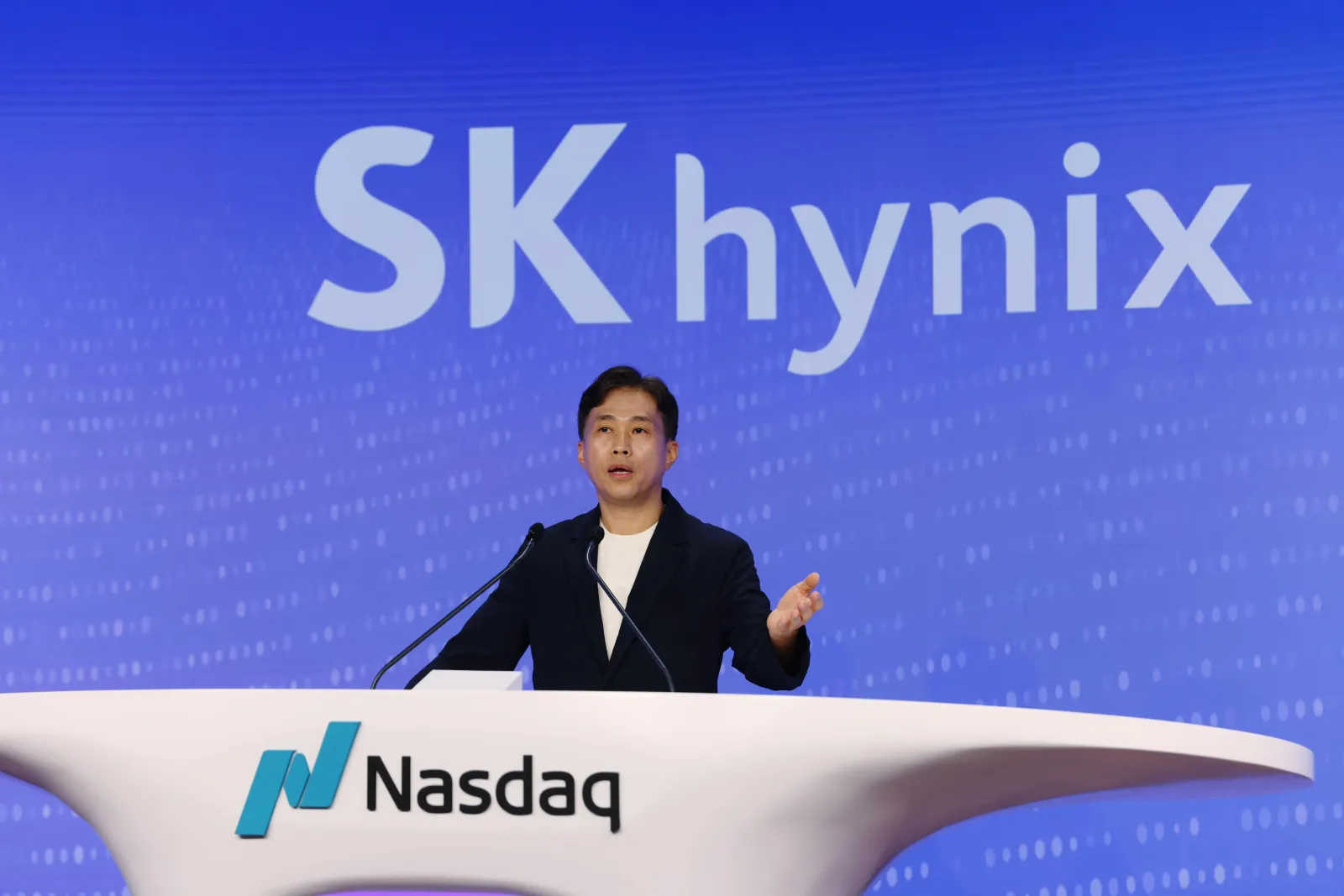
SK Hynix opens at $170, raises $26.5B, and tops foreign IPO records
In Friday's Wall Street debut, SK Hynix turns AI RAM demand into a $26.5B fundraising moment that rewrites comps.