
Scott Derrickson fires back at Elon Musk over “The Odyssey” cinema takes
The “Doctor Strange” director calls Musk’s art opinions “worthless,” then Musk doubles down with AI movie plans.
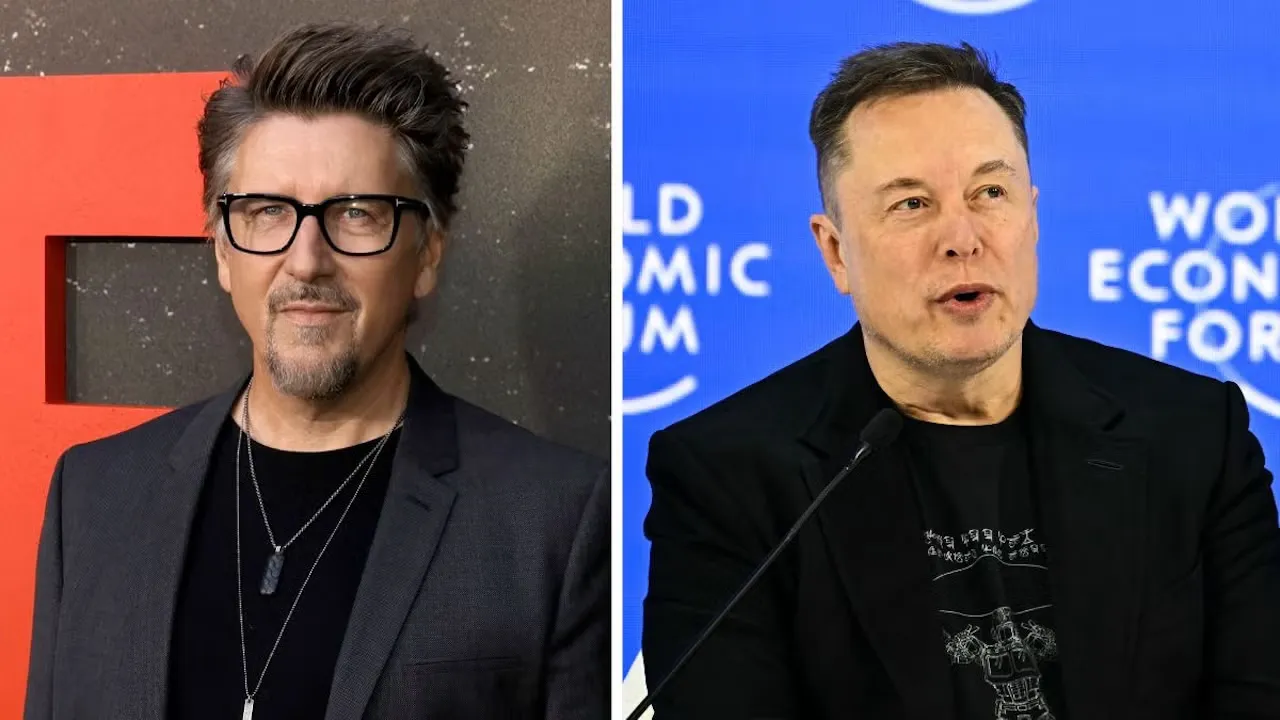
Scott Derrickson, director of “Doctor Strange,” slammed Elon Musk on X over Musk’s ongoing criticism of Christopher Nolan’s “The Odyssey.” The spat is already spilling from Hollywood casting debates into AI-content ambition that could reshape how audiences debate “accuracy” and authorship.
Scott Derrickson did not mince words. The “Doctor Strange” director, responding to Elon Musk’s repeated public critiques of Christopher Nolan’s “The Odyssey,” wrote on X Tuesday that “Clearly @elonmusk doesn’t know shit about cinema & he stopped reading in his 20s.” Derrickson added, “His opinions on art are worthless,” pushing back hard after Musk took aim at Nolan’s big-screen take on Homer’s epic and, in particular, the casting choices for “The Odyssey.”
Why this matters in the real world is simple: the fight is not really only about movie casting. It is about who gets to define “art,” what counts as “integrity,” and whether new tech players can muscle into cultural gatekeeping. Derrickson’s dismissal is the immediate headline, but the story’s second act is Musk’s response: he told his followers that “Grok Imagine will make a full-length movie of ‘The Odyssey’ that is historically accurate and true to the art of Homer” before the year’s end, framing AI creation as a corrective to the “wrong” version.
To understand how this got so loud, you have to track Musk’s specific grievances. Musk has repeatedly spoken out against Nolan’s adaptation. He took particular issue with Lupita Nyong’o being cast as Helen of Troy and Elliot Page cast as the Greek soldier Sinon. Earlier this year, Musk reacted to a post that called the upcoming film “an insult to the author” because of Nyong’o’s casting. Back in January, Musk declared that “Chris Nolan [had] lost his integrity.” Then in May, Musk took aim again at “The Odyssey,” this time tying it to right-wing backlash after Nyong’o’s casting was confirmed.
The mechanics of the internet argument are almost painfully familiar, which is why business leaders should pay attention. In May, conservative commentator Matt Walsh suggested Nolan only gave Nyong’o the part to avoid being called “racist,” and Musk simply responded “True.” Musk also mocked Page’s casting with language about a “banger” while engaging with a post that included a transphobic joke. The underlying tension for executives is not whether any one casting decision pleases a given audience. It is that public cultural disputes now move at social-media speed, and platforms can turn personal takes into large-scale consumer narratives quickly.
Derrickson’s criticism shows up the same way: direct, personal, and instantly memetic. After Musk’s crusade continued past the initial burst of casting controversy, Derrickson stepped into the fray with a blunt assessment of Musk’s media credibility. Derrickson’s followers pushed back, including one user saying “no one's opinion on art is worthless,” but Derrickson doubled down, adding “Great art says otherwise.” The director’s position is clear: art judgment should be earned through understanding and experience, not delivered as a hot take from someone outside the craft.
But the most consequential part for decision-makers is that Musk did not treat the Hollywood disagreement as a one-time argument. He treated it like a product roadmap. Hours after Derrickson’s X post hit, Musk told followers that Grok Imagine would generate a full-length “Odyssey” movie before the year’s end. He also said he was “down” with a fan’s suggestion that the project should be a serious historical recreation, including “painstakingly historically accurate ships, armour, weapons and casting,” with “all dialogue taken straight from the original poem and delivered in Homeric Greek,” plus a callout for “Mel Gibson $100 million” for an adaptation.
This is where the story stops being pop-culture drama and starts looking like a strategic shift in media. If Musk’s plan proceeds, the “accuracy” debate could migrate from reviewers and studios into AI-generated production pipelines, with creators and executives forced to answer harder questions: who owns an interpretation when a system can generate an “accurate and true” version? How do you adjudicate fidelity to a source text versus fidelity to cinematic storytelling? And what happens to the market for adaptations when high-profile tech figures publicly frame AI output as the corrective.
Meanwhile, Nolan’s “The Odyssey” is not waiting for the comment wars to end. The adaptation has emerged as a box office success, bringing in $264 million global in its opening weekend. The film stars Matt Damon, Tom Holland, Anne Hathaway, Robert Pattinson, Samantha Morton and Zendaya, and it has earned critical and audience acclaim. That commercial reality is the other reason this saga is worth tracking: the people fighting online may disagree about culture, but the audience vote is already in, and studios live and die by that vote.
For founders, investors, and board members watching adjacent sectors, the strategic stakes are twofold. First, cultural credibility is becoming a business asset, not just a brand attribute. Derrickson is defending craft legitimacy against a tech outsider, while Musk is using tech ambition to claim he can produce an “improved” cultural artifact. Second, AI content plans are now openly tied to contested narratives like “historically accurate” and “true to the art of Homer,” meaning AI companies might increasingly be judged not only on technical capability but on whether their outputs “resolve” debates in the public square.
So while the argument started as insults about cinema knowledge and casting, it ends as a preview of how entertainment ecosystems may work next: studios deliver versions that audiences pay for, tech players promise “historical accuracy” with generative systems, and the winner is not just the loudest voice, but the version that captures demand and defines what “truth” means in media.
This story's Key Insights and Take-aways are locked.
Create a free account to unlock Executive Actions for one credit.
Register to UnlockAlways free for Executives Club members. Join the Club
More in Entertainment
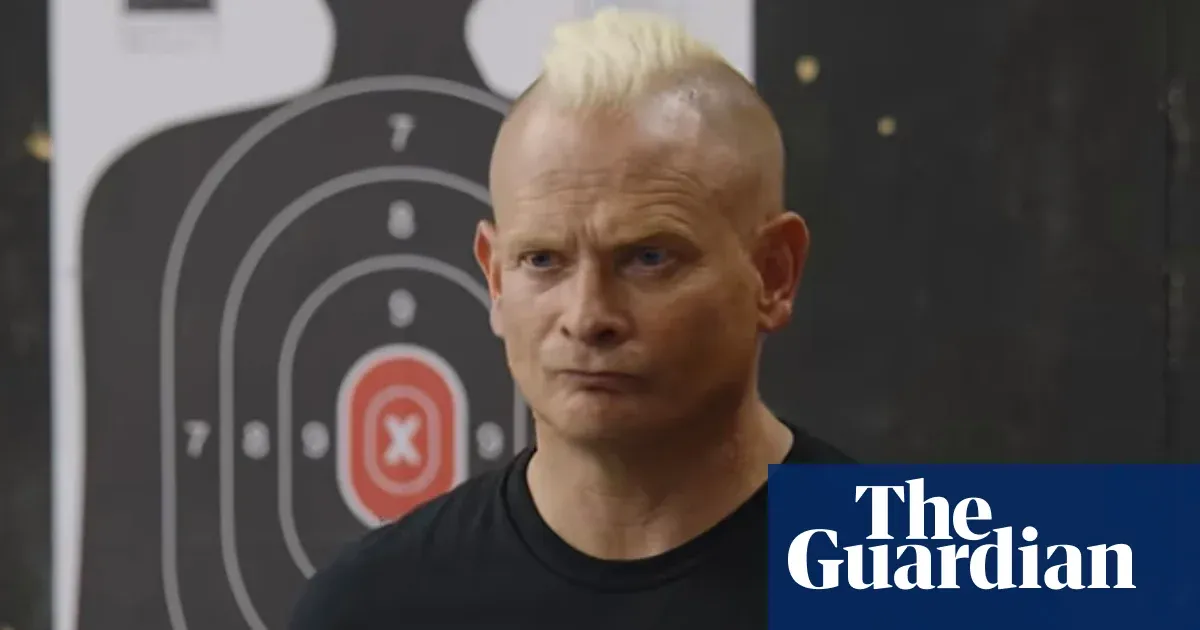
Ali G's 'stooge' says he was in on joke, outplayed Sacha Baron Cohen
A 54-year-old aspiring actor says he recognized Sacha Baron Cohen mid-shoot, kept his MAGA act up, and let the film-makers think they had fooled him.

Entertainer Russell Brand denies 7 sex charges amid accuser's 'couldn't breathe' claim
The alleged victim's account sharpens the reputational and legal stakes for Brand, his platforms, and any business tied to a public figure under criminal scrutiny.

Russell Brand's accuser 'bewildered and confused' as he denies 7 sex charges
The criminal case against the comedian is a live test of how media companies manage talent risk when serious allegations go public.