
Sea of Remnants opens with liminal music, not piracy, in a 1-hour preview wobble
NetEase’s Sea of Remnants still can't decide what it is, and that muddled pitch matters for publishers and platforms.
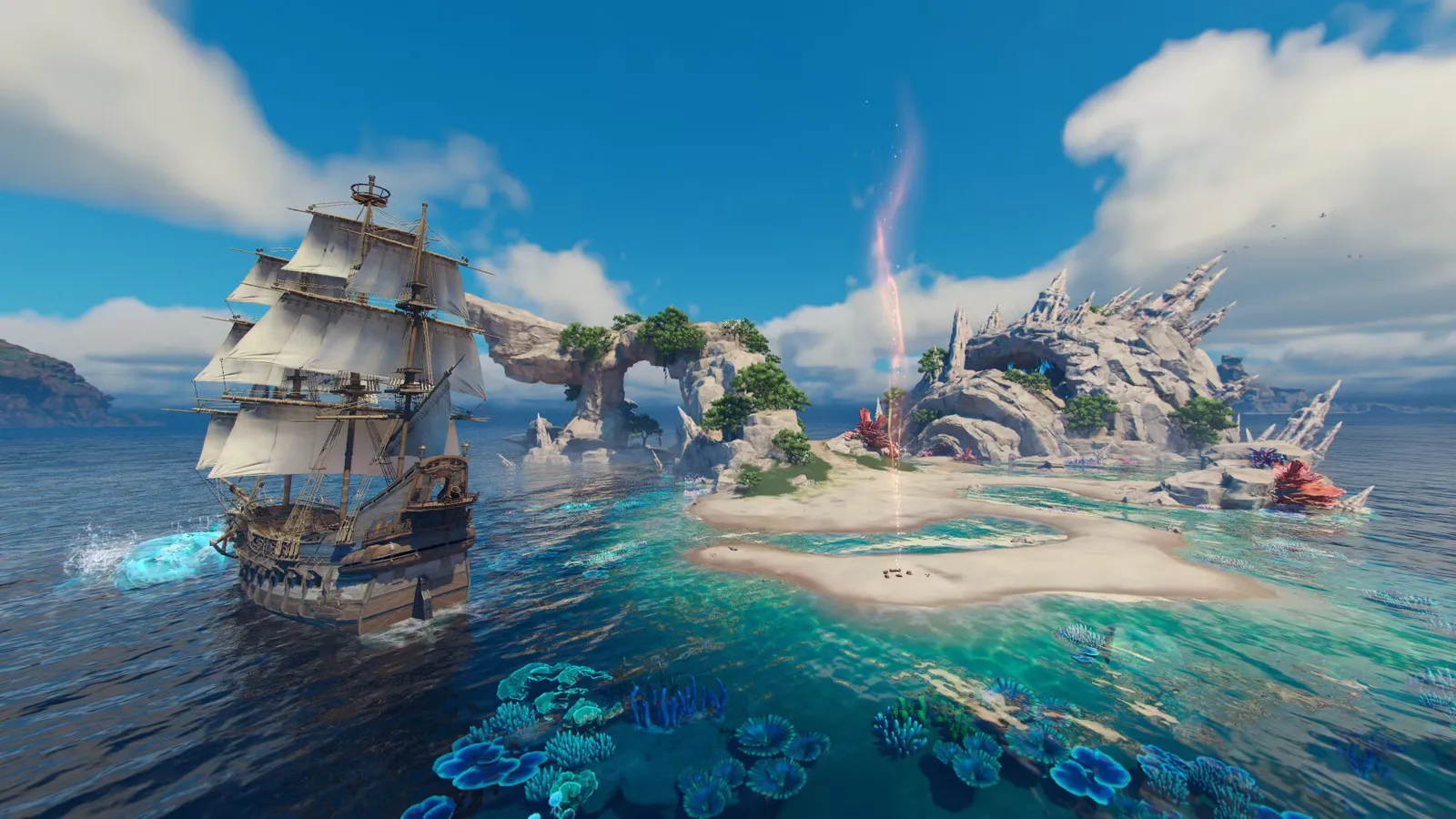
NetEase’s upcoming PC and PS5 pirate game Sea of Remnants appeared at Summer Game Fest but mostly showed a music video rather than gameplay. For decision-makers, the preview signals a risk: if the pitch stays confused, marketing spend and player trust get harder to justify.
If you caught the Sea of Remnants segment at Summer Game Fest expecting, you know, pirate gameplay, you likely got something else: a music video. The catch is almost funny in hindsight, because the segment aired alongside a new trailer for Assassin's Creed: Black Flag Resynced, and Sea of Remnants barely committed to the core fantasy it was supposedly there to deliver.
After about an hour, the clearest message is that Sea of Remnants does not have “no AC” energy. It had a liminal-space rock concert. NetEase used Summer Game Fest to share “Make it Loud,” a flashy music video featuring several characters in colorful, dreamlike environments, with only occasional, very brief cuts of a pirate ship or a pub. The preview delivered less than a couple of seconds of gameplay footage, which is a pretty blunt way to show what you want players to feel first.
That matters, because a pirate game is not a vague genre. Players generally show up wanting the things that define the fantasy: navigation, combat, boarding, swagger. When a showcase leads with a music video and leaves gameplay as a quick afterthought, it creates a question players can smell immediately. Is Sea of Remnants a narrative and style-first experience? Is it a fully realized action game that just did not want to show the action yet? Or is the studio still figuring out what the audience should recognize it for?
The story here is not just creative. It is incentive and positioning. Summer Game Fest is prime real estate for publishers and platform holders because it is where first impressions are formed and where follow-on demand often starts. Gameplay footage is the most direct proof you can offer that your systems work and that the loop is fun. If you cannot (or will not) show it, the burden shifts to your trailer’s emotional wrapper. That can work for games that already have deep goodwill or a clearly established identity. But for a title that also seems to be fighting its own messaging, the wrapper becomes a marketing crutch.
There is also a second-order implication for capital allocators and decision-makers inside ecosystems. When previews arrive with “almost no gameplay,” internal stakeholders have less to measure. They cannot easily forecast retention from mechanics they have not seen. They also cannot easily assess whether performance targets, combat readability, and moment-to-moment feel are on track. That is not automatically a red flag, but it is an analytical handicap. In board rooms, handicaps matter. They turn debates about progress into debates about vibes, and vibes are harder to defend in budget meetings.
You can also frame this through the dynamics of competitive attention. Assassin's Creed: Black Flag Resynced had a full trailer presence in the same aired segment. Black Flag, even when revisited, carries strong expectations: ships, swashbuckling combat, the whole pirate-in-the-bloodline package. Putting Sea of Remnants next to that kind of recognizable benchmark creates an even harsher contrast. Viewers do not just compare footage. They compare clarity. One side tells you what you will do. The other side asks you to feel something, briefly, and then moves on.
NetEase is aiming this at PC and PS5, which suggests it wants both a broad reach and the credibility that comes with platform legitimacy. But platforms also reward reliability in marketing. If the pitch is unclear in the earliest moments, it can force later corrections. Those corrections often cost money, because you have to re-educate the audience, retool creative, and compete again for attention. The opportunity cost is real, even if the game’s internal development is perfectly fine. Players do not wait patiently for second explanations; they move on to the next reveal.
So what should execs take away from this one-hour preview wobble? Not that Sea of Remnants is doomed. The source is simply describing what players saw: Summer Game Fest delivered “Make it Loud,” a music video with liminal visuals, only occasional shots of a pirate ship or a pub, and less than a couple of seconds of gameplay footage. But from a strategy lens, the risk is that the game’s first public narrative is not anchoring on the pirate core. If the identity does not tighten, the marketing engine can stall even before the game is out. For any publisher, studio, or platform leader watching, the lesson is simple: when you show up to prove a genre, you need to show the play.
This story's Key Insights and Take-aways are locked.
Create a free account to unlock Executive Actions for one credit.
Register to UnlockAlways free for Executives Club members. Join the Club
More in Entertainment
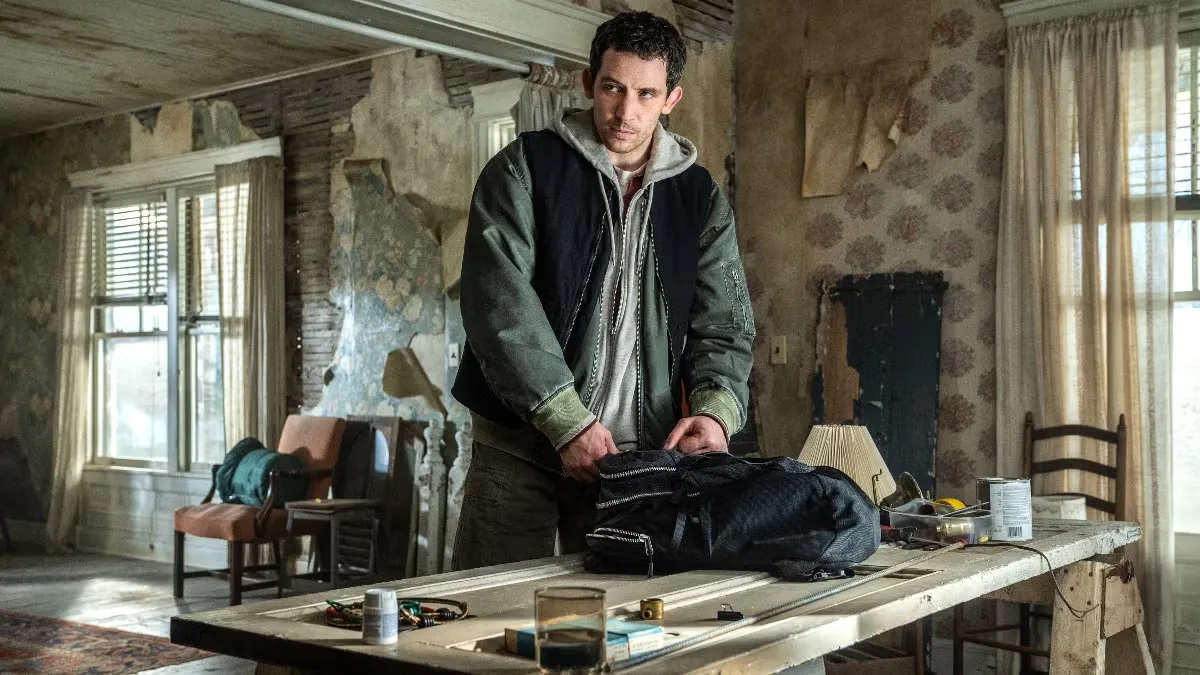
Disclosure Day opens to $44 million, but Spielberg’s first wide B since 2008 raises risk
A $19 million opening day from 3,824 locations puts Universal/Amblin on track, yet $115M budget and weaker-than-typical reception complicate profit math.
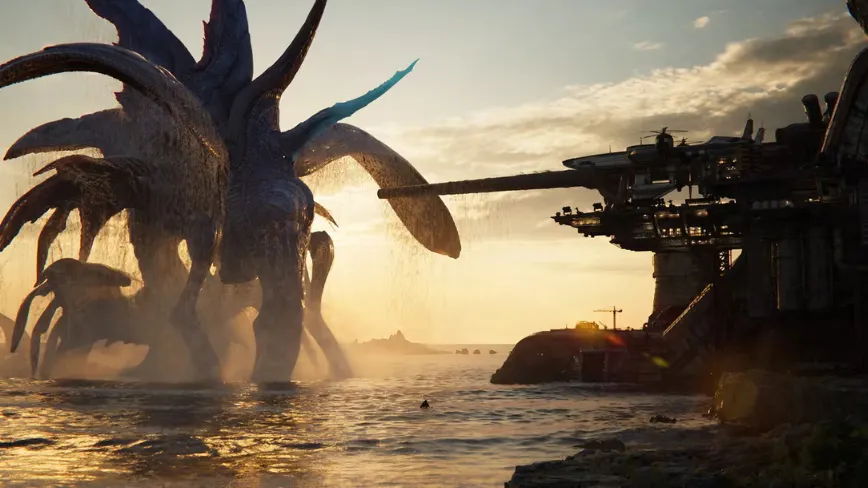
Naoki Hamaguchi says 95% stayed put, letting Final Fantasy VII Revelation ship in spring 2027
A rare fast turnaround in AAA, powered by retention, reshaping how executives think about schedule risk.

Anna Faris says anxiety eased after “Framed for Murder” fear as Scary Movie hits $55M
The actress opens up about anxiety and the box-office moment behind Scary Movie’s franchise-best opening weekend.