
Seabird guano is the secret weapon helping atolls outpace rising seas
A 28-island study shows that restoring seabirds and native plants can help coral atolls build land faster than seas rise.
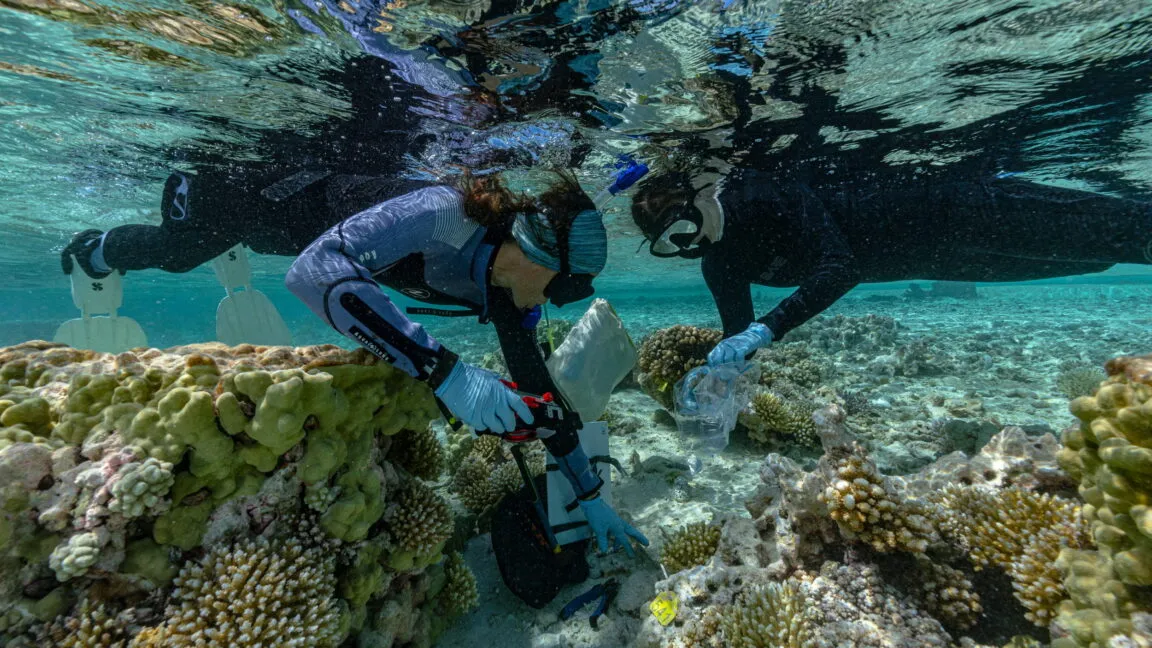
Nick Graham, a marine ecologist at Lancaster University, led a 28-island study published in Science Advances showing that healthy atoll ecosystems can adapt to rising seas. The findings give island nations a scientific basis for investing in ecosystem restoration as a climate adaptation strategy.
Seabird guano is doing more than fertilizing soil - it may be helping entire islands survive climate change. A new study in Science Advances, led by Nick Graham, a marine ecologist at Lancaster University, analyzed 28 atoll islands across the Pacific and Indian Oceans and found that healthy ecosystems can help these landforms keep pace with rising seas. The paper, published Wednesday, describes atoll islands as "naturally active systems that can change and adapt to their environmental conditions if they are allowed to do so."
This story's Key Insights and Take-aways are locked.
Create a free account to unlock Executive Actions for one credit.
Register to UnlockAlways free for Executives Club members. Join the Club
More in Science

Study: 1 in 4 depression cases may be a body-clock problem, not a chemical one
A 10,000-person study finds standard antidepressants often fail these patients, but melatonin and morning sunlight may hit the real root cause.

Start-Up Says A.I. Designed a Virus to Attack One Patient's Superbug
If the claim holds up, personalized phage therapy could become a new frontline weapon against antibiotic resistance - but proof is far from final.

1000 mathematicians pledge to shun AI in their research
A thousand researchers are publicly refusing AI tools, and the reason is a warning for every company betting on AI-generated answers.