

September 2026 becomes a 200-car pileup as publishers flee GTA 6
Every major holiday game is now launching in September, creating a brutal logjam that could crush mid-tier titles and reshape release strategies.
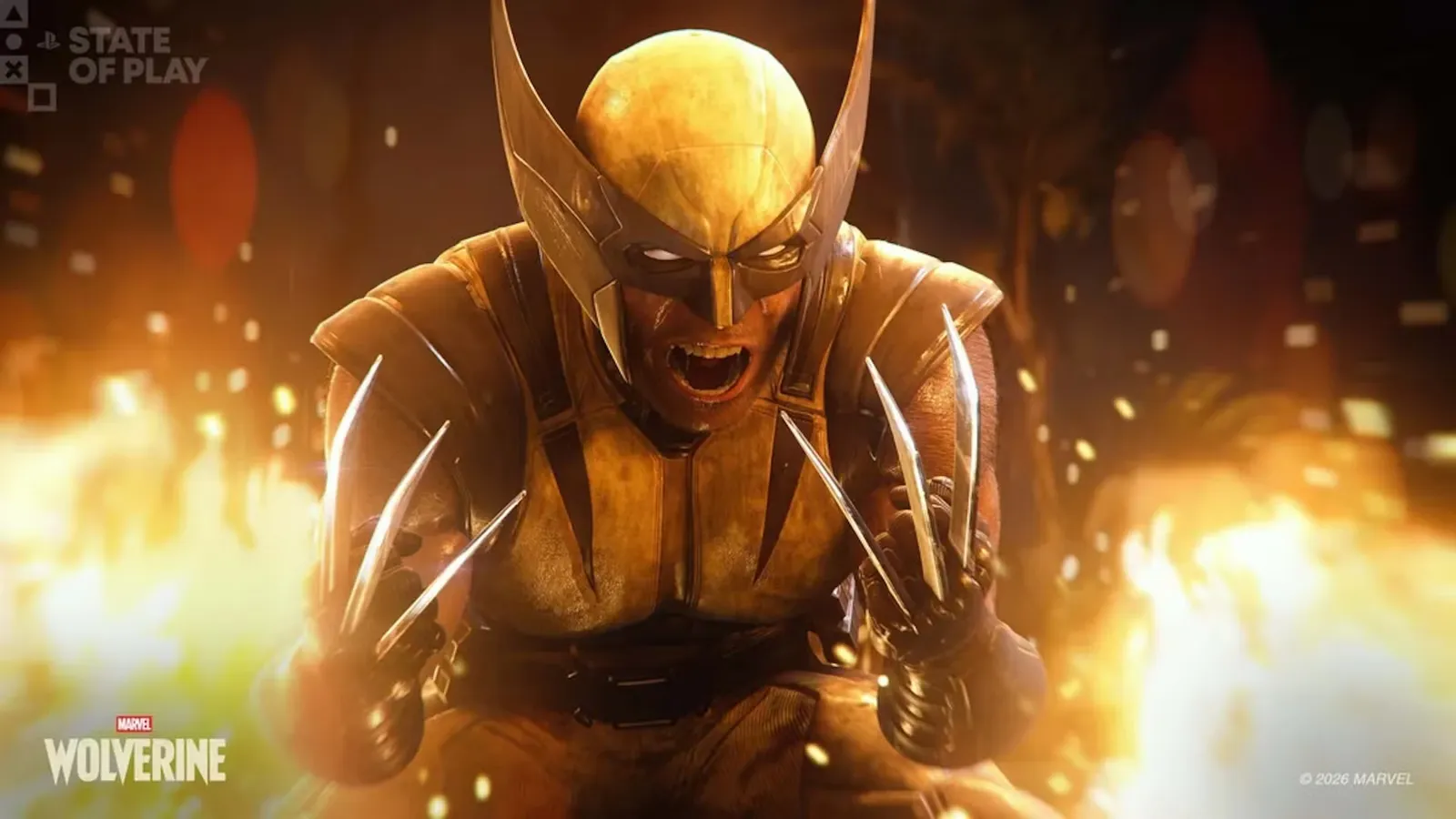
Following PlayStation's State of Play, publishers have collectively decided to avoid a November showdown with Grand Theft Auto 6, cramming anticipated titles like Marvel's Wolverine and Control Resonant into September 2026. This creates a dangerously crowded launch window that risks cannibalizing sales and forcing studios to rethink their release calendars.
The gaming industry's biggest scheduling gamble just paid off for Rockstar: no major publisher is willing to go head-to-head with Grand Theft Auto 6 this November. After months of speculation about which studio would be brave enough to challenge the behemoth, PlayStation's State of Play delivered the answer: none of them. Instead, the entire holiday slate has shifted to September 2026, creating what one analyst described as a "200-car pile-up" of AAA releases all fighting for the same shelf space and player attention. Marvel's Wolverine, Control Resonant, and a host of other high-profile titles are now all targeting the same four-week window, turning what should be a celebratory season into a brutal survival contest for every game not named GTA 6.
This mass exodus from November is a rational response to an irrational market force. Grand Theft Auto 6 is not just another game; it is the most anticipated entertainment product in history, with pre-release hype that has already crashed websites and driven Take-Two Interactive's market cap to record highs. Any publisher launching a major title within six weeks of GTA 6 would face a catastrophic drop in mindshare, as players allocate their time and money to Rockstar's open-world juggernaut. The calculus is simple: a November release means competing for the scraps of attention left after millions of players disappear into Vice City. September, while crowded, at least offers a fighting chance at a pre-GTA 6 audience.
The problem is that September 2026 is now a zero-sum game. With so many titles compressed into a single month, marketing budgets will be stretched thin, review cycles will overlap, and consumers will be forced to make painful choices about which $70 game to buy first. Historically, crowded launch windows have crushed mid-tier titles that lack the brand recognition of a Wolverine or a Control sequel. Smaller studios and independent publishers that cannot afford to move their release dates will be squeezed hardest, potentially facing a choice between launching into the September chaos or delaying into a post-GTA 6 wasteland where player engagement has already peaked.
For platform holders like Sony and Microsoft, this logjam creates a strategic headache. Both companies rely on a steady cadence of exclusive titles to drive hardware sales and subscription growth. A September glut followed by a November desert means that console sales could spike unevenly, with a burst of activity in early fall followed by a lull as players wait for GTA 6. This could depress hardware attach rates for non-Rockstar software and make it harder for platform holders to justify their 30% revenue cut to developers who are already struggling to stand out in a crowded month.
The implications extend beyond launch windows into development cycles and investor expectations. Publishers that have bet their annual financial performance on a single September release are now exposed to the risk that their game gets lost in the shuffle. For publicly traded companies like Embracer Group (which owns the rights to several September-bound titles) and Take-Two itself, the crowded calendar could lead to earnings volatility as sales forecasts become harder to predict. Investors should watch for pre-order data in early 2026 as a leading indicator of which titles will survive the September bloodbath and which will become cautionary tales.
Ultimately, this scheduling crisis is a symptom of a deeper industry problem: the concentration of risk around a single, dominant franchise. Grand Theft Auto 6's gravitational pull is so strong that it is warping the entire release calendar, forcing rational actors to make suboptimal decisions. The smartest move for any publisher not named Rockstar might be to skip fall 2026 entirely and target a spring 2027 window, when GTA 6's initial sales surge has subsided and players are hungry for something new. But that requires the kind of long-term planning that quarterly earnings cycles rarely reward.
For now, the message is clear: if you are not GTA 6, you are running for cover. September 2026 will be a test of marketing muscle, brand loyalty, and sheer luck. The winners will be the games that break through the noise; the losers will be the ones that nobody remembers existed.
This story's Key Insights and Take-aways are locked.
Create a free account to unlock Executive Actions for one credit.
Register to UnlockAlways free for Executives Club members. Join the Club
More in Entertainment

Christopher Nolan’s “The Odyssey” posts his biggest Tuesday haul, surpassing “The Dark Knight’s” record
The film’s Tuesday breakout reframes Nolan’s box-office ceiling and forces competitors to rethink timing, budgets, and release strategy.

Kacey Musgraves cancels Aug. 20, 29, Sept. 2 Middle of Nowhere shows
Ticketmaster emails are telling fans refunds are coming, while the tour still starts Aug. 21 in Chicago.

Billie Joe Armstrong launches Epiphone Les Paul Junior and Marshall 1959BJA signature gear
Two limited releases turn decades of Green Day’s tone into branded hardware, including Marshall’s first artist amp in 14 years.