
Sesame Workshop turns Chappell Roan, Taylor Swift, and Bruno Mars into “Weird Al” singalongs
Parody Party LP repackages modern pop into family-friendly lessons, and the pop ecosystem should pay attention.
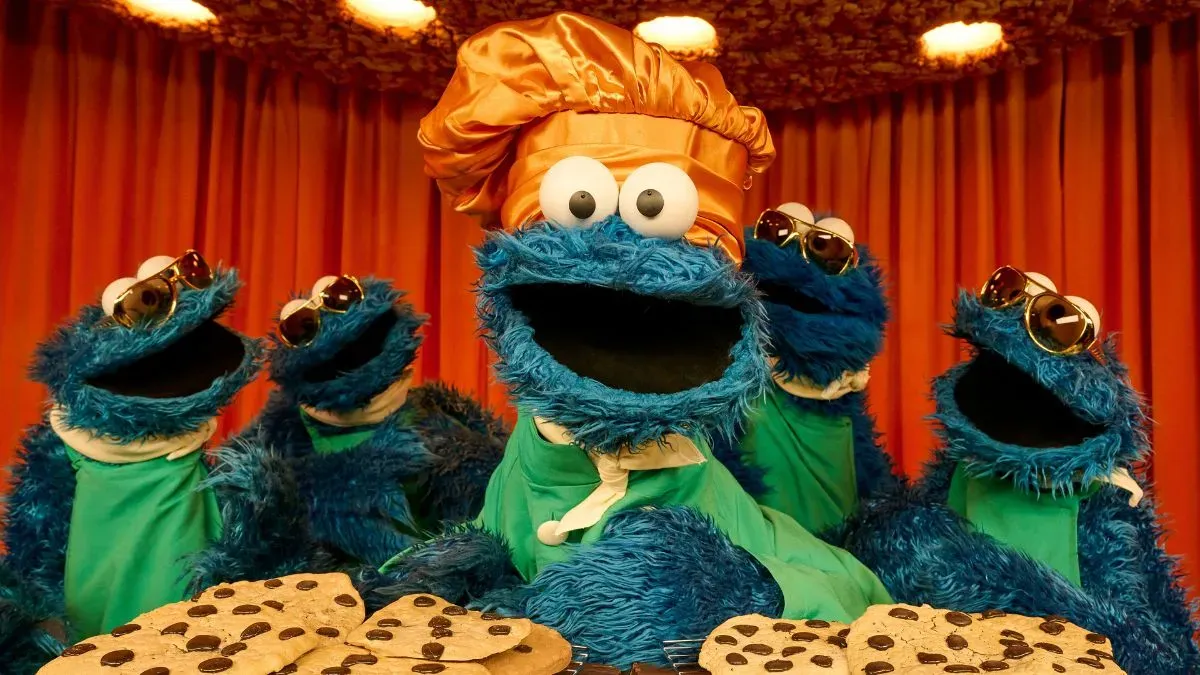
Sesame Workshop announced Parody Party, a new album that gives playful, Sesame Street style takes on tracks by Chappell Roan, Taylor Swift, Bruno Mars, RAYE, KPop Demon Hunters' HUNTR/X, and more. For decision-makers, the move shows how major brands can translate mainstream hits into safe, repeatable culture without killing the hook.
Sesame Workshop is “Weird Al”-ing pop music, and the lineup is the part that really matters. The studio just announced Parody Party, a new album that turns modern chart hits into Sesame Street flavored singalongs, with tracks tied to artists including Chappell Roan, Taylor Swift, Bruno Mars, RAYE, and KPop Demon Hunters' HUNTR/X, plus more.
In other words: this is not a deep cut for niche parents. Sesame Workshop is directly remixing the current pop conversation and wrapping it in a family-friendly package built for the kind of repeat listening that matters most in kids media. The album is explicitly positioned as playful takes on those songs, and it arrives with the familiar Sesame Street agenda baked in, themes like cookies, recycling, sharing, and potty training.
If you are an operator or investor thinking about music, media, or youth brands, this is a clean example of how incentives line up. Sesame Workshop is a trusted platform with a mission and a distribution model that favors educational, low-friction content. Pop artists, meanwhile, live in an attention economy that rewards memorability and cultural crossover. Parody Party sits right in the middle of those incentives: it keeps the recognizable structure of modern pop tracks, but it swaps the subject matter for something Sesame can teach on. That makes the “hook” transferable across audiences, which is exactly what parody does when it works.
It also highlights how youth entertainment increasingly mirrors adult marketing strategy. Adult pop tends to win by becoming background audio across different settings. Kids media has always tried to do something similar, but the mechanics are changing. Modern pop is already packaged with clear melodies, big choruses, and fast social spread. By building singalongs around tracks tied to current stars like Taylor Swift and Chappell Roan, Sesame Workshop is tapping an established asset, then sanding the edges into content that can safely play in living rooms, classrooms, and car rides.
There is also a business implication for music rights and brand collaborations, even though the source does not spell out licensing details. When a major publisher or brand turns mainstream songs into adapted, family-friendly versions, it is effectively testing how adaptable modern IP can be across contexts. From a board perspective, that is a signal: parody and adaptation are not just cultural trivia, they are commercial mechanisms. They can create new audience pathways for songs and artists, while giving the adapting brand fresh relevance.
Now zoom out to the regulatory and policy environment. Kids media operates under stricter scrutiny than most entertainment categories, especially around what is appropriate for children and how content is framed. Sesame Street is built for that world, and Parody Party is positioned around straightforward family lessons such as recycling, sharing, and potty training. That matters because it reduces friction for caregivers and institutions who are making the “can we use this” decision every day.
Second-order effects follow. First, it raises the bar for how other educational brands will compete: relevance without losing safety. Second, it suggests that mainstream music publishers might see more “brand-safe” transformations as a path to reach audiences indirectly, particularly when the channel is already trusted. Third, it pressures other youth content creators to experiment with formats that feel current, not just timeless, because kids culture is a fast moving machine.
For peers in similar roles, the strategic stake is simple. If Sesame Workshop can take contemporary pop energy and convert it into repeatable family singalongs, then the competitive advantage in kids content is not only educational credibility. It is also the ability to keep culture fresh enough that it does not feel like yesterday. Parody Party is a bet that the best way to do that is to start with songs kids and families already know, then translate the message into lessons they can sing.
This story's Key Insights and Take-aways are locked.
Create a free account to unlock Executive Actions for one credit.
Register to UnlockAlways free for Executives Club members. Join the Club
More in Entertainment
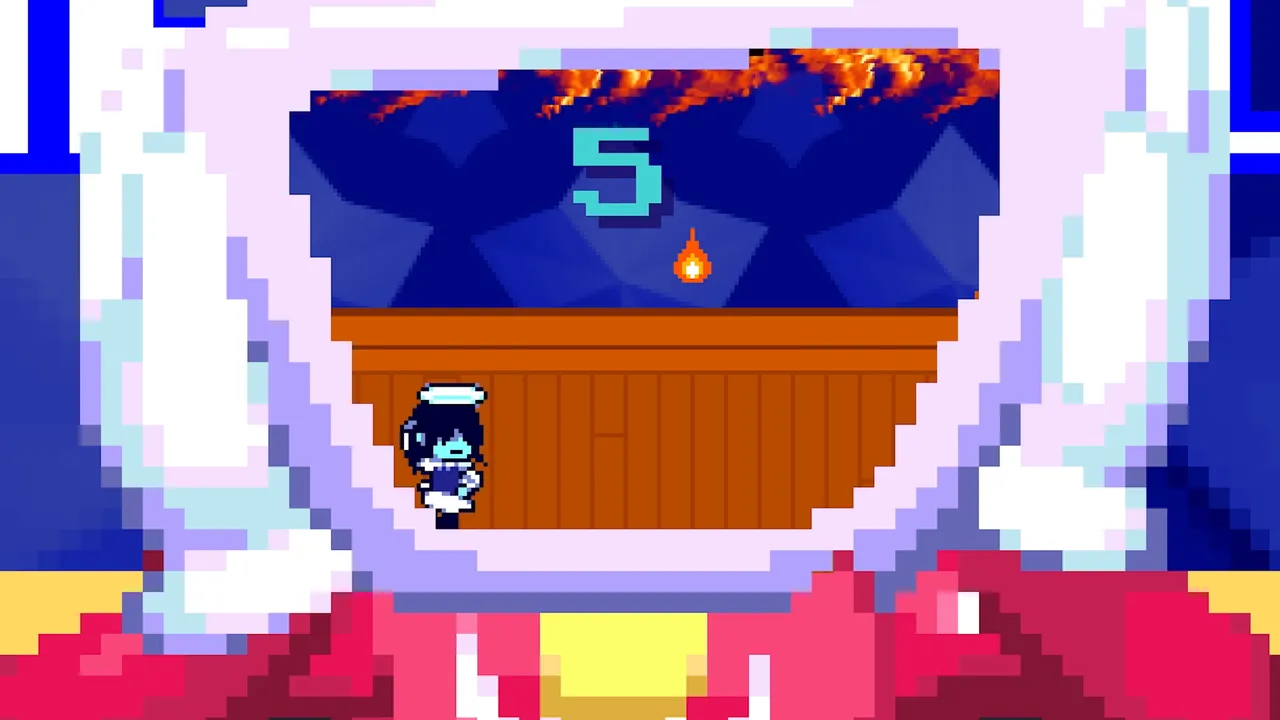
Deltarune Chapter 5 smashes 300,000 Steam peak just minutes after launch
Within minutes, Toby Fox's episodic RPG blows past its own record, changing what “momentum” looks like on Steam.
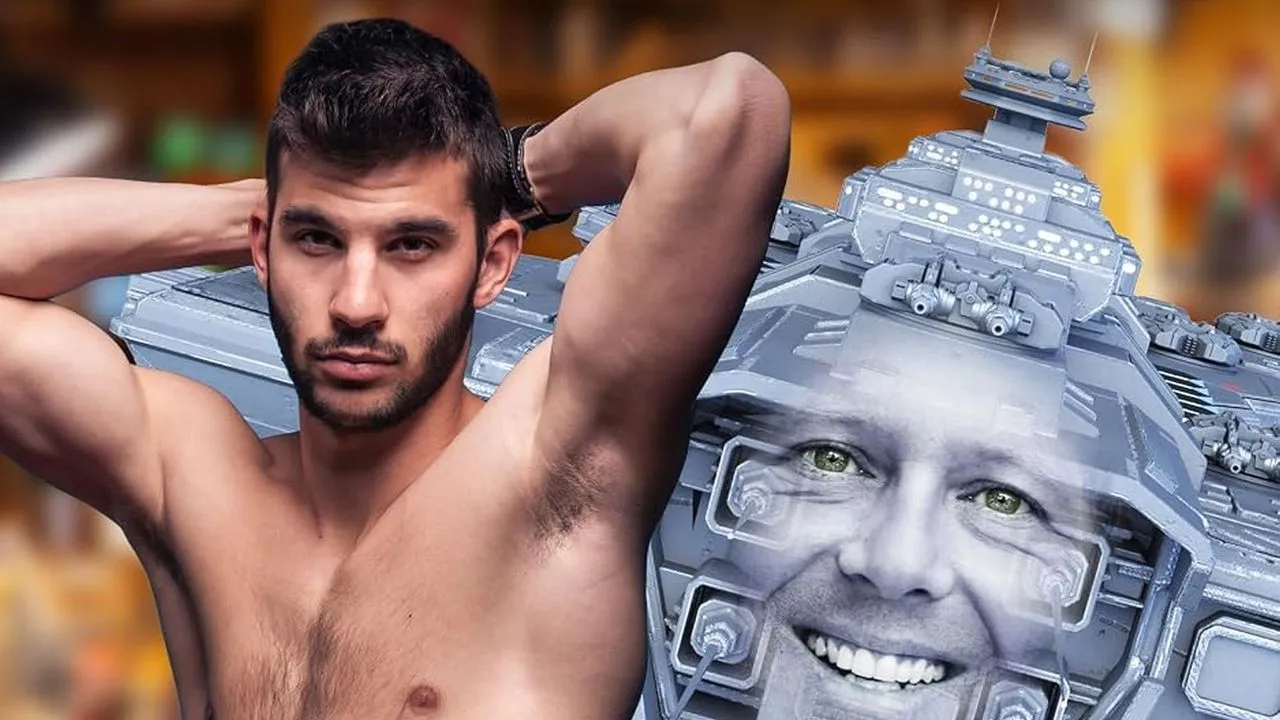
Chuck Tingle writes a Warhammer 40K Tingler about Warpounder miniatures and spending $
His latest short erotic fiction leans hard into the Warhammer obsession loop: the hobby purchase, the unfinished paint job, and the payoff.
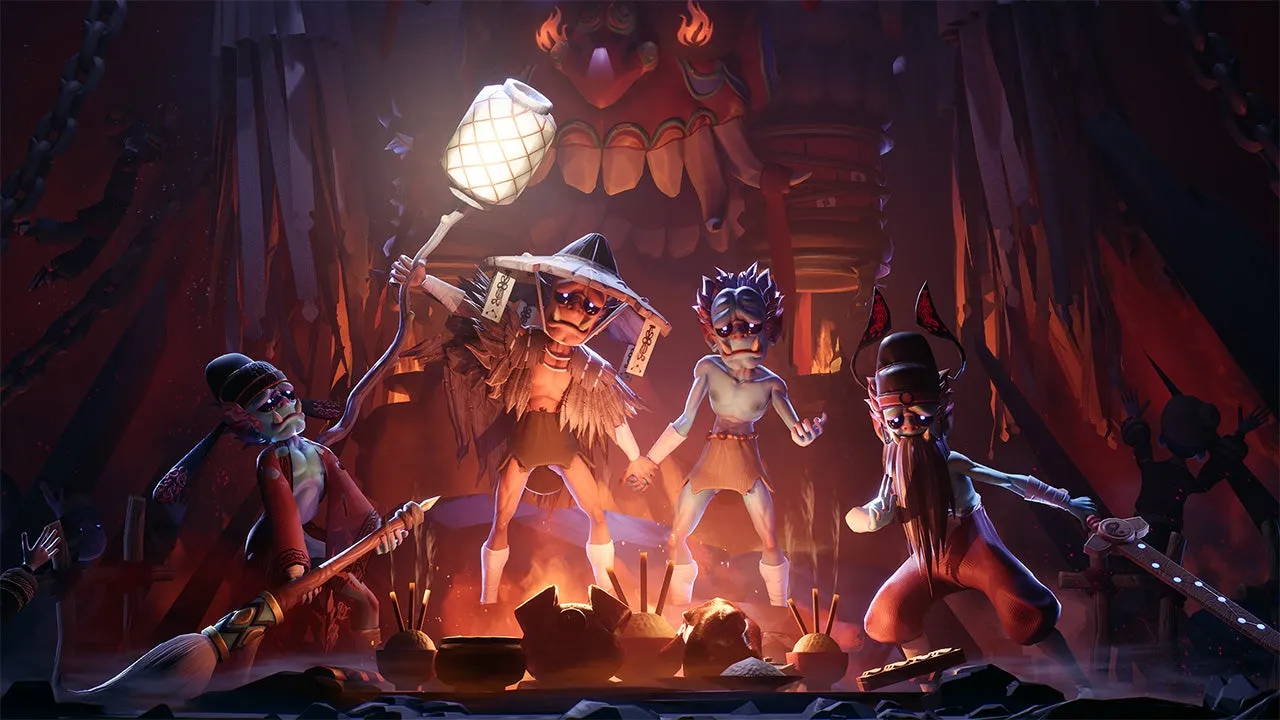
Hundred Nights: DIFU turns purgatory into an underworld ops simulator with D-Cash losses
A Two Point-style management loop, built on Chinese mythology, where staffing, decor, and punishment all affect your balance sheet.