

Seth MacFarlane stacks double voice duty as Stewie casts Kenan Thompson, Vanessa Bayer
Fox, Hulu, and 20th Television Animation reveal Stewie’s voice cast, signaling how Family Guy spin-offs are built for momentum.
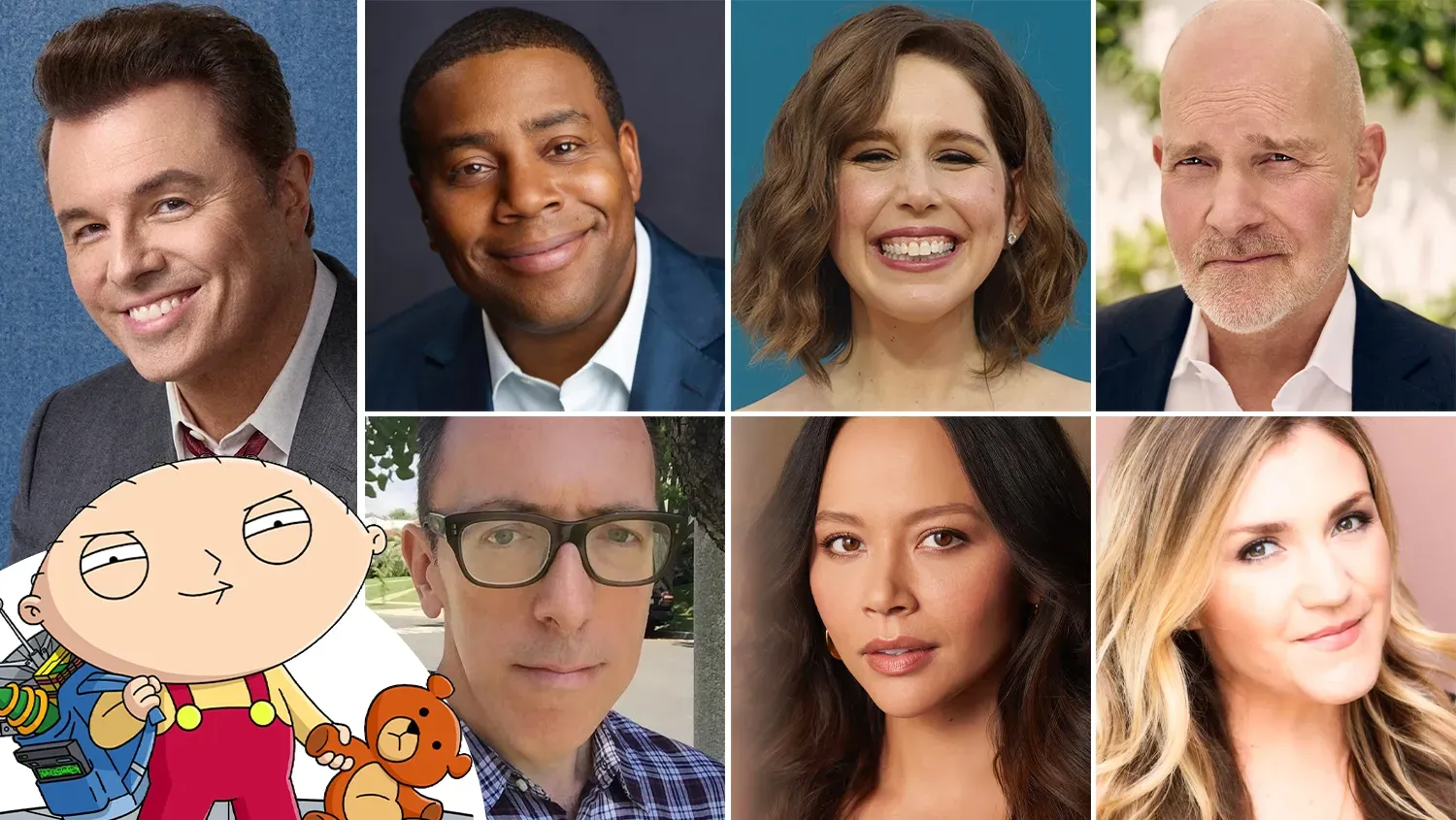
Fox, Hulu, and 20th Television Animation assembled the voice cast for the upcoming Family Guy spinoff Stewie. Seth MacFarlane will pull double voiceover duty, joining Kenan Thompson, Vanessa Bayer, Melissa O'Neil, Mike Henry, and more.
Fox, Hulu, and 20th Television Animation have assembled the voice cast for the upcoming Family Guy spinoff Stewie, and the most telling detail is right up front: Seth MacFarlane will pull a double voiceover duty while also anchoring the project as its titular star. That is not just a trivia win for fans. In animation, voice performance is the product. When the same creative engine is responsible for multiple roles, it usually means the studio wants tightly controlled character tone, faster production loops, and a recognizable sound that carries across episodes.
The cast announcement also spells out the next layer of casting strategy: Kenan Thompson and Vanessa Bayer are joining, The Rookie star Melissa O'Neil is joining, and Mike Henry is voicing someone related to one of his signature Family Guy characters. For executives and programming teams, that combination is a signal. You are not just hiring voices, you are importing audience trust. Kenan Thompson brings mainstream comedy credibility, Vanessa Bayer brings SNL-style character range, Melissa O'Neil brings an established TV lead audience, and Mike Henry connects directly back to the Family Guy universe. The message is that Stewie is being positioned to keep the franchise feeling consistent, while still expanding the talent mix that can attract viewers beyond the loyal core.
It helps to understand why casting matters so much for spinoffs, especially in animation. A series like Family Guy is built on rapid-fire character dynamics, and voice actors are the delivery system for that rhythm. When Seth MacFarlane takes on double voiceover duty, the show can maintain a specific comedic cadence and character texture without forcing constant alignment across multiple leads. That can reduce friction in production and help protect the tonal “brand” audiences expect. In other words, the casting is not just about star power. It is about throughput, consistency, and the ability to scale.
There is also a structural incentive at play with networks and streamers. Fox and Hulu are backing the upcoming show under the 20th Television Animation umbrella. That matters because multi-party ownership and distribution often lead to shared goals around audience acquisition, retention, and promotional clarity. A recognizable lead like MacFarlane is an easy marketing anchor. Pairing him with performers who are recognizable on different platforms expands the possible funnel: live TV comedy fans can cross over, mainstream scripted drama viewers might sample, and existing Family Guy viewers get rewarded with a direct link through Mike Henry.
Now, the “related to one of his signature Family Guy characters” detail is particularly franchise-relevant. Mike Henry already has an established voice association inside Family Guy. Even without the exact identity specified in the source excerpt, the phrasing tells you the creative intent: the spinoff is not trying to reinvent its gravity. It is trying to keep the same universe logic, then give Stewie a lane to grow. That is a classic approach to franchise extension. You keep familiar coordinates while changing the map.
If you are an executive watching this kind of decision, the second-order question is simple: does this cast profile reduce execution risk? Generally, established comedy performers can stabilize performance delivery. SNL-trained performers like Thompson and Bayer often bring quick character formation skills, which is valuable when a show needs distinct personalities that can survive high output. Melissa O'Neil’s presence suggests the project is also looking for serious acting chops in addition to pure comedy elasticity. In animation, that can translate into better emotional beats, sharper satire, and more believable character motivations, even when the jokes are surreal.
There is also the broader industry subtext. Streaming-era audiences have more options, but they still tend to sample most confidently from familiar worlds, especially when the “product quality” is expected to be consistent. Family Guy is already a known quantity. Stewie, as a spinoff, has a built-in audience. But the job is to convert curiosity into habit. Casting choices are one of the few levers the creative team can pull that directly affects both the first impression and the long-term viewer experience.
Taken together, the voice cast announcement looks like a deliberate bet on momentum: Seth MacFarlane’s double duty to protect tonal consistency, Kenan Thompson and Vanessa Bayer to widen comedy reach, Melissa O'Neil to add credibility across scripted television audiences, and Mike Henry to keep one foot firmly planted in what made Family Guy’s voice ecosystem work in the first place. For other creators and studios considering spinoffs, the strategic takeaway is clear. The fastest path to scale is not only nostalgia. It is a cast lineup designed to signal continuity, reduce creative execution risk, and maximize audience handoffs across networks and platforms.
This story's Key Insights and Take-aways are locked.
Create a free account to unlock Executive Actions for one credit.
Register to UnlockAlways free for Executives Club members. Join the Club
More in Entertainment
Ali G's 'stooge' says he was in on joke, outplayed Sacha Baron Cohen
A 54-year-old aspiring actor says he recognized Sacha Baron Cohen mid-shoot, kept his MAGA act up, and let the film-makers think they had fooled him.

Entertainer Russell Brand denies 7 sex charges amid accuser's 'couldn't breathe' claim
The alleged victim's account sharpens the reputational and legal stakes for Brand, his platforms, and any business tied to a public figure under criminal scrutiny.

Russell Brand's accuser 'bewildered and confused' as he denies 7 sex charges
The criminal case against the comedian is a live test of how media companies manage talent risk when serious allegations go public.