
Sharknado director Anthony C. Ferrante brings Dave the Diver to live action
Why the cult game’s mix of absurdity and sincerity clicked for a filmmaker built on mutant chaos.

Anthony C. Ferrante, the filmmaker behind the cult-hit Sharknado franchise, is set to bring Mintrocket’s hit game Dave the Diver to live action. The project matters because it signals a sharper, more character-driven direction for game-to-screen deals beyond pure spectacle.
Anthony C. Ferrante, the filmmaker behind the cult-hit Sharknado franchise, says the appeal of Mintrocket’s hit game Dave the Diver was immediate. In a genre landscape that often treats video games as “look at the cool monsters” IP, Ferrante gravitated to Dave the Diver’s specific blend: adventure, absurdity, and sincerity all at once. That combination, he implies, feels strangely familiar to the Sharknado audience, where mutant creatures, eccentric characters, and unexpected humor coexist without anyone trying to over-explain them.
In other words, Ferrante did not approach Dave the Diver as a solemn adaptation problem. He approached it as a tone-matching opportunity. The opening spark, according to the Deadline piece, started as a conversation with South Korean Japanese... (the source text is truncated in the prompt, so the full identity and details of that conversation are not included here). Still, the core point is clear: what made Dave the Diver stand out as a “hit indie game” in the first place is exactly what Ferrante believes can translate to live action.
This is a useful moment to zoom out, because game adaptations have been chasing two different currencies for years. One is spectacle. The other is engagement. Dave the Diver’s pitch, at least through Ferrante’s lens, is that it earns engagement with a tonal engine: it can be goofy and heartfelt in the same breath, and it trusts the audience to keep up. That is not just a creative preference. For decision-makers, tone is an operational variable. It affects casting, performance style, production design, and even how much you can lean on practical effects versus digital spectacle.
Ferrante is also not coming from a traditional studio animation or prestige drama pipeline. Sharknado is the archetype of a franchise built on hype and escalation: it weaponizes absurdity, then forces characters to behave like the situation is normal enough to keep the comedy landing. That matters because live action adaptations of games frequently fail when they try to “fix” the thing that made the game work. If you over-correct the weirdness into something too neat, you lose the emotional texture that kept players coming back.
There is also a market context here that boards and investors watch closely: the game-to-screen pipeline has increasingly become a portfolio strategy. IP that has already proven it can hold an audience gets treated like a risk reducer, but only if the adaptation preserves what the original audience actually liked. Ferrante’s comment about familiarity is an implicit checklist for adaptation success. If your franchise is built on mutant chaos and character-driven humor, then a game that mixes adventure with sincerity and absurdity is not a random target. It is a compatible one.
Then there is the question of why this is happening now. While the provided Deadline excerpt does not include release timelines or production details, the very fact that Ferrante is “bringing” Dave the Diver to live action points to a broader shift: studios and financiers have been learning that it is not enough to license a brand. You need a creative partner who understands the audience’s emotional rules. In practice, that affects negotiation dynamics too. A creative lead can drive the tone that marketing will later sell, which means the deal is not just about money. It is about governance: who has veto power over script drafts, how production handles fan-expected references, and how much creative license the adaptation gets before it becomes a different story.
From a regulatory or compliance framing, this category of IP does not typically trigger unique rules just because it came from a game. But it does face the same scrutiny as any mass-market production: content ratings, depiction considerations, and platform-specific standards. The second-order implication for executives is less about “regulation stopping the project” and more about planning. Tone choices influence whether a production lands cleanly across theatrical, streaming, and international markets, and those choices can cascade back into edits, which can cascade further back into budgets.
For peers making similar decisions, Ferrante’s approach offers a clear strategic signal. The pitch is not “Dave the Diver has monsters, so we will make monsters.” The pitch is “Dave the Diver has a way of mixing absurdity with sincerity, and that tonal logic can be translated.” If you are evaluating game-adjacent projects, this is the test to apply early: does the adaptation plan preserve the emotional mechanics that made the original work, or does it just replicate the surface-level vibes?
This story's Key Insights and Take-aways are locked.
Create a free account to unlock Executive Actions for one credit.
Register to UnlockAlways free for Executives Club members. Join the Club
More in Entertainment

Starfleet Academy names newcomer Ruaridh Aldington a Season 2 series regular
At San Diego Comic-Con's Star Trek 60th anniversary panel, Aldington joins as Keats, a high-stakes mystery for the cadets.
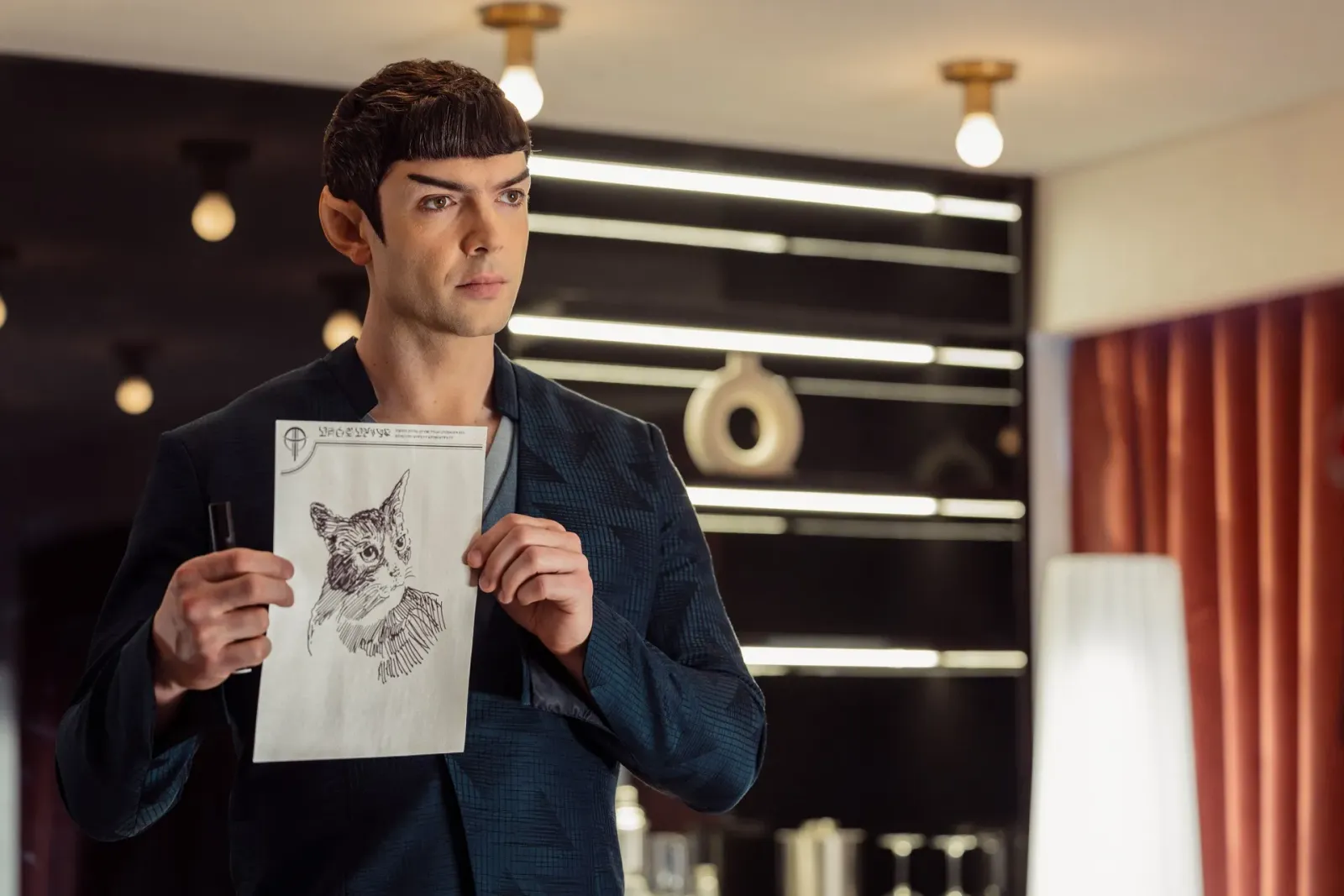
Akiva Goldsman drops Strange New Worlds Season 4 timing: weekly until Sept. 24
Star Trek’s co-showrunner uses Comic-Con to lock in the release calendar for Paramount+ Season 4.
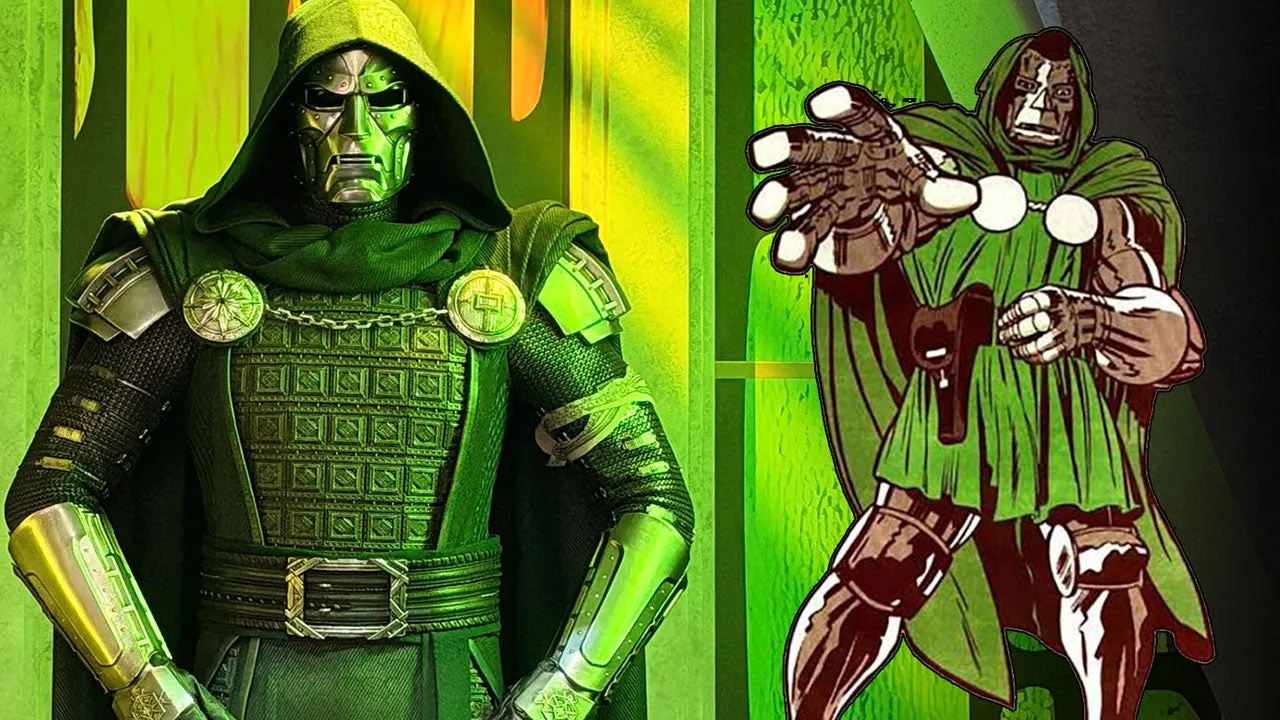
Marvel’s Avengers: Doomsday Doom armor stays faithful to comics, but adds samurai-style upgrades
A fresh look at Robert Downey Jr. as Victor von Doom at Comic-Con shows what Marvel kept, changed, and why it matters.