
Shuhei Yoshida says Sony shut Japan Studio because AAA games had to sell consoles
The former PlayStation executive ties Japan Studio's 2021 closure to a simple mandate: console sales, not creativity.
Shuhei Yoshida, former president of Sony Interactive Entertainment Worldwide Studios, says Sony shut down Japan Studio in 2021 because its games did not “drive console sales.” His explanation links the closure to Sony’s shift from smaller-scale AA work to AAA hits like God of War and Uncharted.
Shuhei Yoshida, the former president of Sony Interactive Entertainment Worldwide Studios, said Sony closed Japan Studio in 2021 because its games did not “drive console sales.” In Yoshida’s telling, the creative streak still existed. The problem was scale, and the scoreboard Sony cared about was hardware unit movement, not originality for originality’s sake.
At the Computer Entertainment Developers Conference, Yoshida addressed a question he said he gets constantly: why would Sony shut down Japan Studio, a team responsible for so many PlayStation games people still quote like they are comfort food. He acknowledged what players react to immediately, “Players from around the world have said that it's unbelievable that Sony would shut down Japan Studio.” Then he gave the blunt business reason underneath the disbelief. PlayStation “wanted to drive hardware sales with games like God of War and Uncharted,” Yoshida said, and “that's the kind of game that's in demand.”
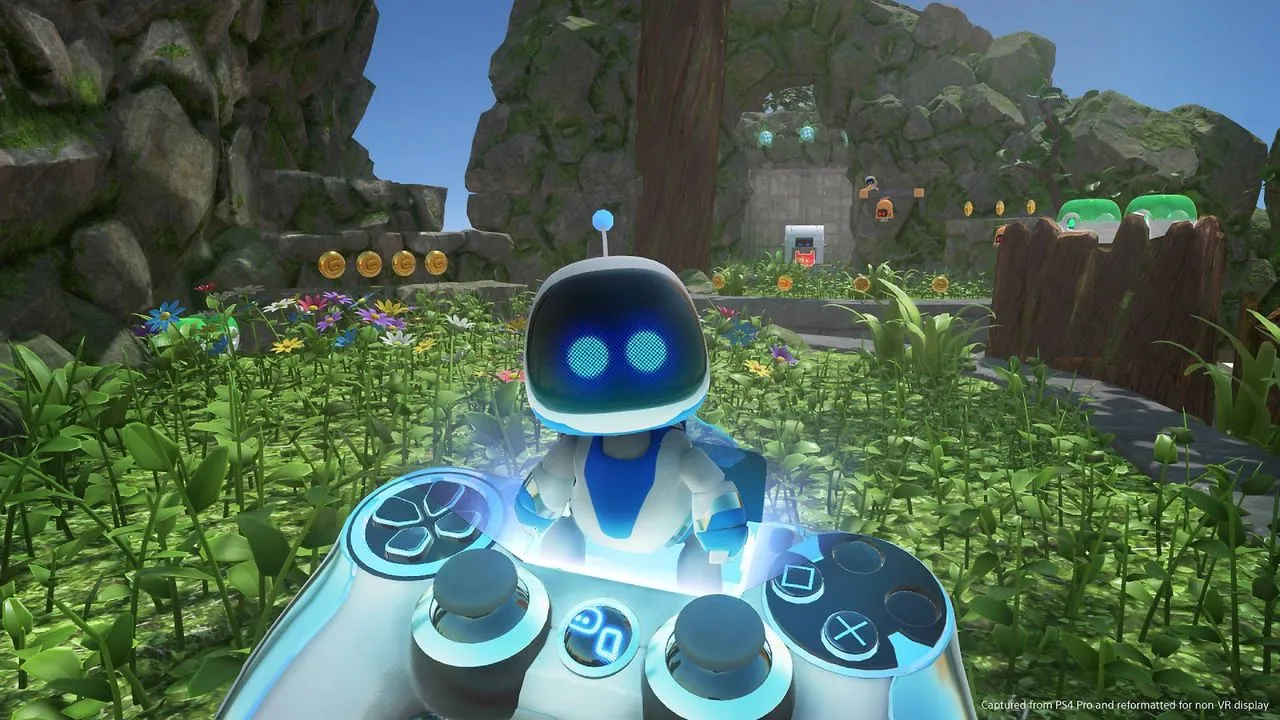
To understand why that argument landed so hard, you have to remember what Japan Studio actually produced. The studio backed a long list of titles that shaped PlayStation’s identity: Ape Escape, Shadow of the Colossus, Siren, LocoRoco, Patapon, Gravity Rush, Astro Bot, and more. If you grew up with a PlayStation game that felt weird in a good way, or with an ingenious hook that was more “what if?” than “same as last year,” there’s a decent chance it came from Japan Studio teams.
But Yoshida’s point was not that those ideas were bad. It was that they did not fit the version of success Sony wanted on PS4 and PS5. He said Japan Studio’s output leaned toward what he calls “AA games,” a level that fits systems like the PlayStation Vita well, but made the leap to AAA harder. As Sony shifted, he explained, “sometimes it's difficult to scale up like that.” Translation: some kinds of creative risk do not scale the same way when your target is AAA budgets, blockbuster scope, and the kind of audience reach that moves consoles.
That “scale up” issue matters because it ties directly to how publishers allocate attention and money. Yoshida said he was “worried about [Keiichiro] Toyama and the other Japanese developers at Japan Studio,” because while they “came up with a lot of creative ideas,” the games they made “weren't big in scale.” He also tied the scale problem to the moment Sony wanted to move decisively into AAA. The internal logic sounds simple, even if it is painful: if your platform strategy says the quickest path to growth is software that drives hardware sales, then teams whose strengths are in smaller-scale launches face a tougher runway.
And yes, Japan Studio’s history includes titles across different formats, including Vita and VR work, but Yoshida still said sales were poor compared to other PlayStation behemoths. That is the core tension: creative output is measurable, but platform growth is measured differently. When Sony “decided to put its bets on AAA games,” the incentives changed for studio survival. Yoshida argued that “it's hard for Japan Studio to launch a new series on console.” That one sentence is essentially the decision-maker’s nightmare. A new IP on console with AAA expectations is an expensive gamble, and a publisher that prioritizes console-moving hits will put its chips where the odds of broad demand look highest.
Second-order, this becomes a board-level lesson for any media company running both art and algebra. Even a former PlayStation top executive is warning that studios can become casualties of strategic math. When a platform company decides what “in demand” means, everything else has to translate. Japan Studio, in Yoshida’s frame, had the ideas, but the scale mismatch collided with Sony’s stated goal: drive hardware sales with games like God of War and Uncharted.
Yoshida closed with a very different ask. If you loved Japan Studio’s creative output, he urged support for the developers who worked there. He highlighted Slitterhead, and Patapon creator Hiroyuki Kotani's latest game Ratatan. And he added a personal aside about another Sony legacy issue, even saying, “Even former PlayStation chief Shuhei Yoshida doesn't know why Bloodborne hasn't been remastered or released on PC: it's a complete mystery.” It is not part of the Japan Studio rationale, but it reinforces the same theme: Sony’s decisions have long tails, and fans feel them.
For executives, founders, investors, and operators watching how culture gets converted into quarterly outcomes, this is the caution embedded in Yoshida’s explanation. Japan Studio was not shuttered for lack of creative talent. It was shuttered because, in Yoshida’s account, it did not fit the console sales machine Sony wanted. If you are leading a studio, funding content, or advising a platform, the lesson is uncomfortably practical: when your KPI is hardware movement and your target is AAA, the business will quietly decide which kind of creativity is “scalable” and which kind is “too hard to scale up.”
This story's Key Insights and Take-aways are locked.
Create a free account to unlock Executive Actions for one credit.
Register to UnlockAlways free for Executives Club members. Join the Club
More in Entertainment

Ali G's 'stooge' says he was in on joke, outplayed Sacha Baron Cohen
A 54-year-old aspiring actor says he recognized Sacha Baron Cohen mid-shoot, kept his MAGA act up, and let the film-makers think they had fooled him.

Entertainer Russell Brand denies 7 sex charges amid accuser's 'couldn't breathe' claim
The alleged victim's account sharpens the reputational and legal stakes for Brand, his platforms, and any business tied to a public figure under criminal scrutiny.

Russell Brand's accuser 'bewildered and confused' as he denies 7 sex charges
The criminal case against the comedian is a live test of how media companies manage talent risk when serious allegations go public.