

Skull study finds Neanderthals likely matched modern humans in intelligence range
A new skull-based brain analysis suggests Neanderthals and modern humans overlapped in intelligence, reshaping how we judge cognition.
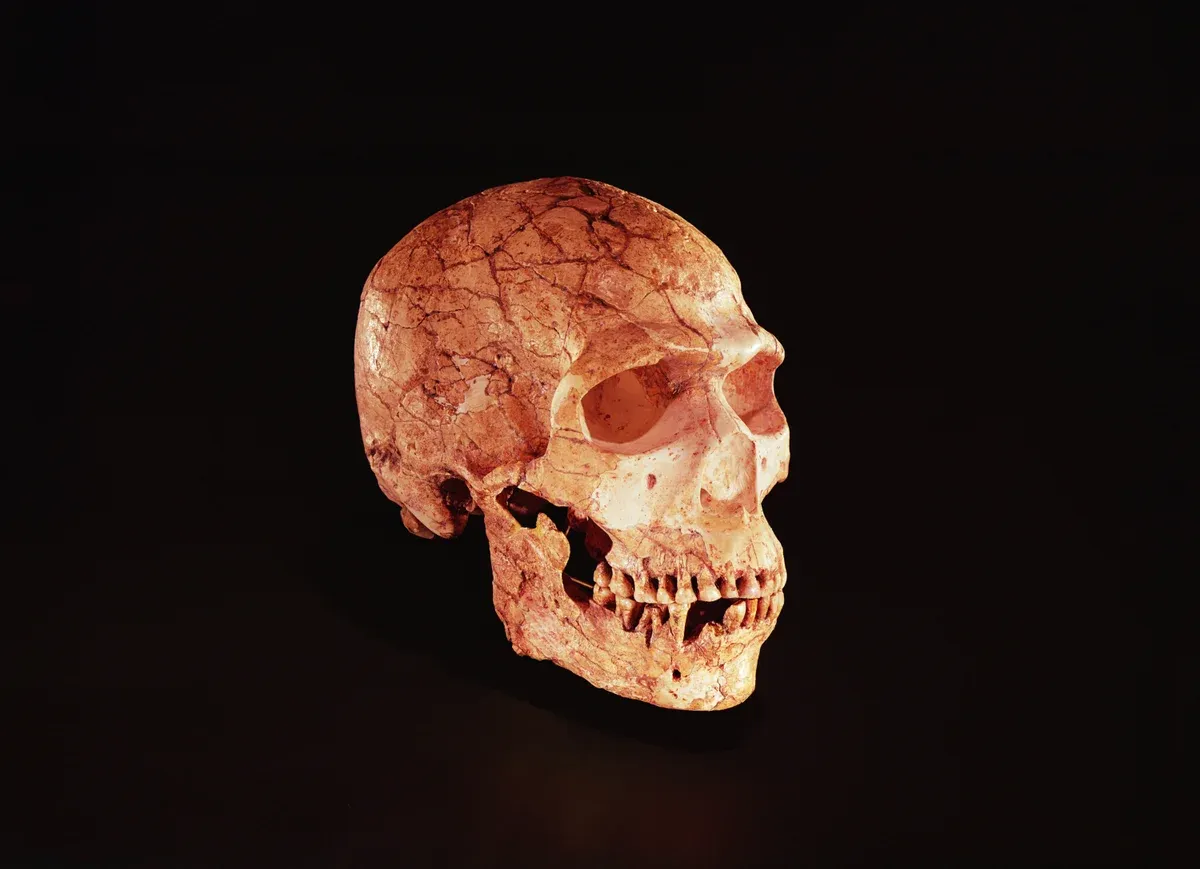
A new skull-based analysis of Neanderthal brains, published in Scientific American, suggests Neanderthals' range of intelligence largely overlapped with modern humans. For decision-makers, it is a reminder that the evidence base for “capability” claims can shift dramatically when methods change.
A new skull-based analysis of Neanderthal brains suggests these ancient hominins’ range of intelligence largely overlapped with our own. In other words, the old story that Neanderthals were fundamentally less cognitively capable may be oversimplified, and the difference might be closer to variation within a shared spectrum than a hard gap between species.
The study’s key move is also the headline’s central idea: it uses skull-based evidence to infer something about brain characteristics, then maps that onto an intelligence range. That matters because intelligence debates in human evolution often get stuck on skull size and broad impressions. This time, the evidence is tied to brain-related signals extracted from skulls, which reframes the question from “were Neanderthals smart?” to “where did their intelligence distribution fall relative to ours?” The reported conclusion is straightforward in the source: their intelligence range largely overlapped with modern humans.
Why should anyone outside paleoanthropology care? Because the pattern is familiar across science, technology, and even boardroom decision-making: when measurement techniques improve, the “known facts” you thought were stable can slide. Executives might not be investing in hominins, but they are constantly underwriting models of performance, risk, and capability. If a skull-based method can shift a long-running claim about cognition, then your own metrics and assumptions about “what someone or something can do” should be treated as contingent on what you can actually measure.
There is also a cultural and reputational angle. Human evolution narratives have real-world consequences for how societies talk about intelligence, agency, and who counts as fully capable. Over time, simplifications can become policy-grade storylines even when the underlying evidence is thinner than it should be. By suggesting overlap rather than a one-sided hierarchy, the study pushes the conversation toward nuance: differences can exist without implying an absolute hierarchy. That kind of framing can ripple into education, museum storytelling, and public understanding, especially in a media environment where controversy often travels faster than nuance.
Look at the mechanism: a skull is not the same thing as a directly measured brain. So the intelligence inference is, by design, an interpretation layered on top of biological constraints. The source does not provide additional numbers, study design details, or specific brain parameters in the excerpt you shared. What it does provide is the direction and the headline claim. In executive terms, this is a reminder that models can be powerful but still contingent. When you hear “intelligence range” rather than “a single score,” you should read it as a distribution claim, not a verdict. That distinction matters because it changes what it means for comparison: overlap implies plausible similarity across many individuals, even if means or variances might still differ.
Second-order implications show up in how teams decide what counts as comparable evidence. In tech, a shift from one proxy metric to another can change rankings overnight. In regulation, different measurement standards can lead to different compliance outcomes. Here, the “standard” is a skull-based analysis approach, and the compliance question is what we think we know about ancient cognition. If the intelligence overlap holds up under further scrutiny, it may prompt researchers and science communicators to revisit how they explain Neanderthals’ tools, behaviors, and social capacities, treating them less as curiosities from a “lesser” branch and more as part of a broader human-like capability landscape.
Finally, there is strategic value in the humility embedded in the conclusion. When your best available tool suggests overlap, it is harder to justify binary narratives. For leaders, that translates into a specific kind of operating posture: bet on ranges, stress-test assumptions, and treat “certainty” as a moving target when the measurement method evolves. The Scientific American summary gives one clear update: skull-based brain analysis points to largely overlapping intelligence ranges between Neanderthals and modern humans. That update should matter not just to historians of science, but to anyone who has ever argued from first principles without re-checking the measurement foundation.
If you were looking for a single takeaway, here it is: intelligence claims in the real world are only as strong as the methods that produce them. This time, the method points toward overlap, and the old boundary between “human” and “not human” cognition looks less sharp than many people assumed.
This story's Key Insights and Take-aways are locked.
Create a free account to unlock Executive Actions for one credit.
Register to UnlockAlways free for Executives Club members. Join the Club
More in Science
2026 Nikon Small World Winners Reveal the Hidden Machinery of Everyday Life
A mycologist's frozen Edinburgh garden became the backdrop for vivid views inside cells, a reminder of what advanced imaging now makes visible to researchers and the industries built on biology.

Study: 1 in 4 depression cases may be a body-clock problem, not a chemical one
A 10,000-person study finds standard antidepressants often fail these patients, but melatonin and morning sunlight may hit the real root cause.

Start-Up Says A.I. Designed a Virus to Attack One Patient's Superbug
If the claim holds up, personalized phage therapy could become a new frontline weapon against antibiotic resistance - but proof is far from final.