
Sleep returns without Matt Pike, with Al Cisneros as sole returning member
The doom legends reveal a new lineup, release their first post-Pike song, and announce 2026 tour dates.

Sleep have announced a new lineup and shared their first post-Matt Pike song alongside 2026 tour dates. The shift matters to decision-makers because it redefines the band’s core identity and tests how quickly fans and promoters accept a reconfigured lineup.
Sleep is coming back, but it is coming back without Matt Pike. The guitarist has been Sleep’s most recognizable member for years, and the band’s latest move makes that absence the whole story: in the new lineup, there is only one returning member, Al Cisneros, who handles vocals, bass, and lead songwriting.
This is not a small lineup update dressed up with doom riffs. Sleep are explicitly framing the comeback around a “post-Pike” era, and they are backing it with real momentum, including the band’s first post-Matt Pike song and the announcement of 2026 tour dates. If you are a label exec, a promoter, an investor in music-adjacent platforms, or just an operations leader who has watched fan behavior over time, this is the moment that tests whether the brand survives the person.
To understand why this is consequential, zoom out to how band identity works in heavy music. A lineup is not just staffing, it is signal. For fans, a guitarist like Pike can be a shorthand for a whole sound, a whole stage presence, a whole era. Removing that “recognizable member” is like changing the interface of a product people use daily: it can still function, but you have to prove it immediately. Sleep’s approach, based on what they have shared, is to do exactly that by putting a first post-Pike track on the record and tying the announcement to a live schedule in 2026.
Al Cisneros returning as the only member is the other piece of the puzzle. Cisneros is not merely “still in the band,” he is the singer, bassist, and lead songwriter. Those roles tend to concentrate creative control and continuity. In organizational terms, this is the difference between “we replaced a critical node” and “the primary system owner stayed.” When lead songwriting remains with a single returning figure, it increases the odds that the band’s core compositional DNA continues even if the guitar front changes. That continuity can also simplify communication for everyone around the band, from booking agents to marketing partners, because there is one consistent creative throughline.
The timing also matters. Announcing 2026 tour dates while introducing a new lineup creates a runway, but it also creates pressure. Promoters and touring teams do not just book dates, they allocate budgets and forecast demand. When a band changes its roster around a famous departure, the booking question becomes: how fast will audiences convert from nostalgia to “new normal”? That is why first releases right after lineup shifts are such a big deal. They give promoters and partners something concrete to market, not just an announcement. Sleep’s shared first post-Pike song is effectively the proof-of-life that lets the rest of the ecosystem move.
There is also a structural lesson here for anyone who thinks brand continuity is automatic. Music brands often live at the intersection of recognition and routine. Fans expect certain personnel to appear in press photos, on festival bills, and in live set expectations. The minute a permanently recognizable figure is absent, the band has to re-earn attention using the assets it still has. Sleep’s revealed structure, with Cisneros as the sole returning member, concentrates those assets. But it also concentrates risk: if the new material does not land, there is no “shared memory cast” across multiple returning faces to soften the impact.
Now bring in the second-order implications for the business side. In a world where streaming catalogs and merchandise can smooth transitions, live touring still behaves like a high-volatility market. Tours rely on confidence, and confidence relies on signals. The signals Sleep is sending are the lineup announcement, the first post-Pike song, and the 2026 tour dates. Together, they form a timeline that allows stakeholders to model interest and plan marketing. For labels and partners, the work becomes translating “doom legacy” into “doom future,” without relying on one person who is no longer present.
Finally, this is a strategic stake for peers in heavy music and beyond: departures of recognizable founders or front-line members force everyone in the industry to answer the same question. Is the product the person, or is the product the system? Sleep’s comeback suggests they are betting on the system: keep Cisneros, keep the songwriting identity, release a first track that establishes the new era, then validate it by showing up on the road in 2026. For executives watching from the sidelines, this is the live-market test of lineup change as a brand strategy, not just an artistic one.
This story's Key Insights and Take-aways are locked.
Create a free account to unlock Executive Actions for one credit.
Register to UnlockAlways free for Executives Club members. Join the Club
More in Entertainment
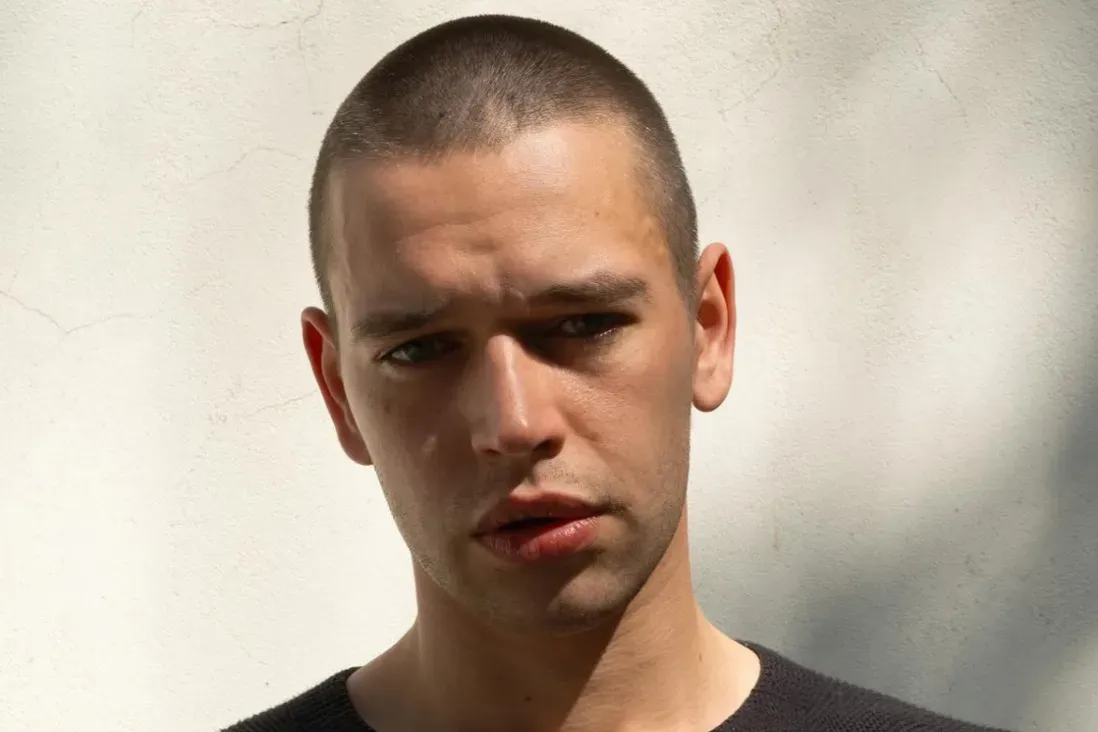
Starfleet Academy names newcomer Ruaridh Aldington a Season 2 series regular
At San Diego Comic-Con's Star Trek 60th anniversary panel, Aldington joins as Keats, a high-stakes mystery for the cadets.
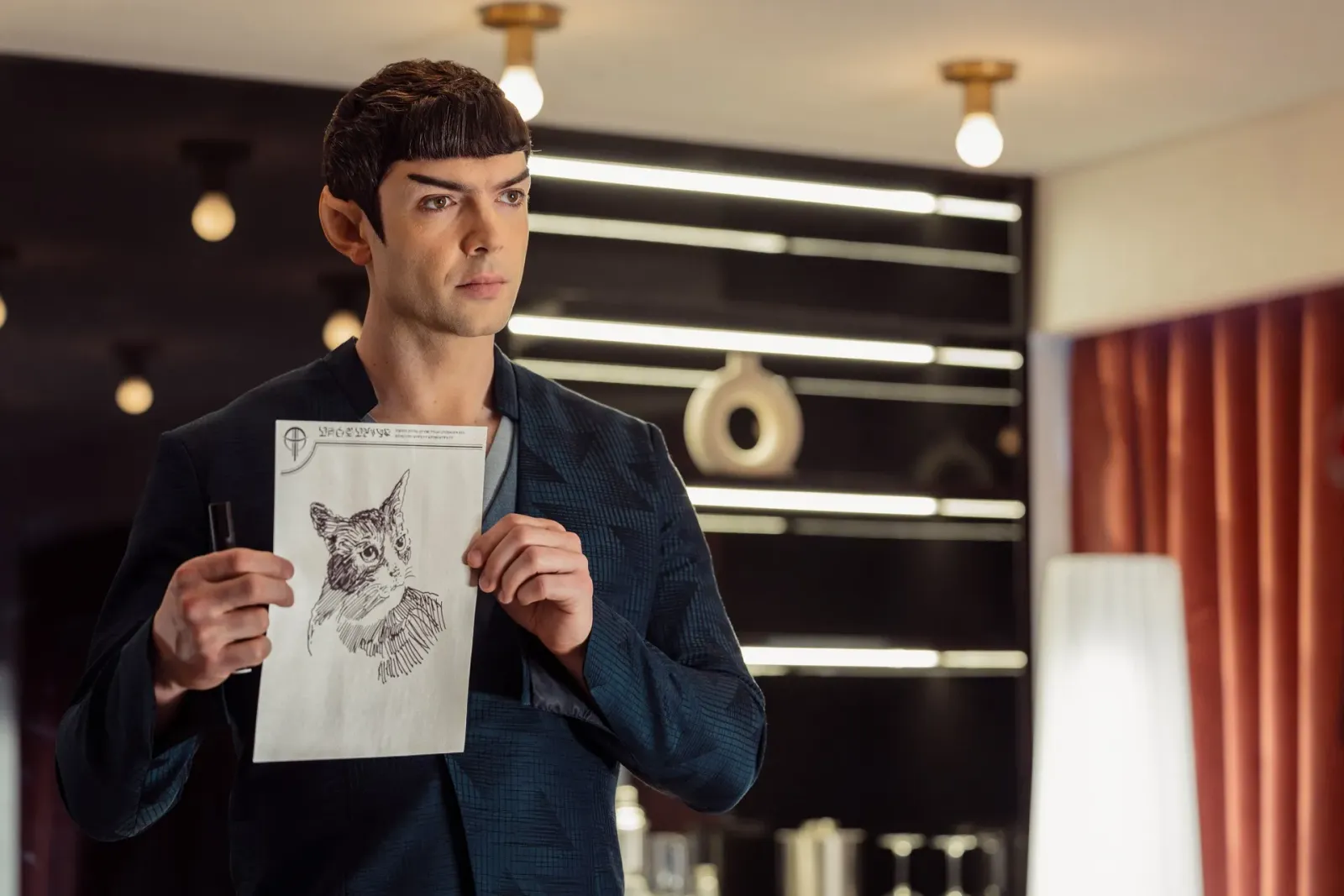
Akiva Goldsman drops Strange New Worlds Season 4 timing: weekly until Sept. 24
Star Trek’s co-showrunner uses Comic-Con to lock in the release calendar for Paramount+ Season 4.
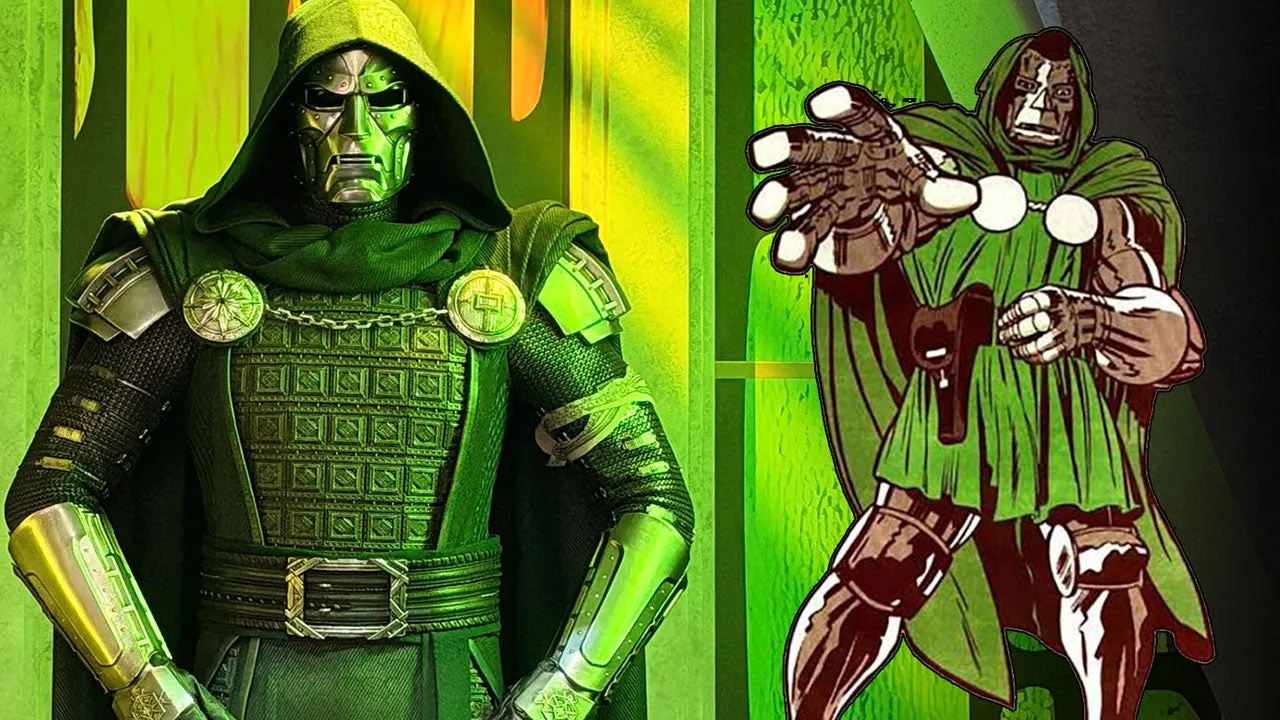
Marvel’s Avengers: Doomsday Doom armor stays faithful to comics, but adds samurai-style upgrades
A fresh look at Robert Downey Jr. as Victor von Doom at Comic-Con shows what Marvel kept, changed, and why it matters.