
SNAP bans on soda and candy expand to more states, squeezing food giants
As restrictions spread, shoppers shift away from processed treats, and major food and beverage makers feel the pressure.
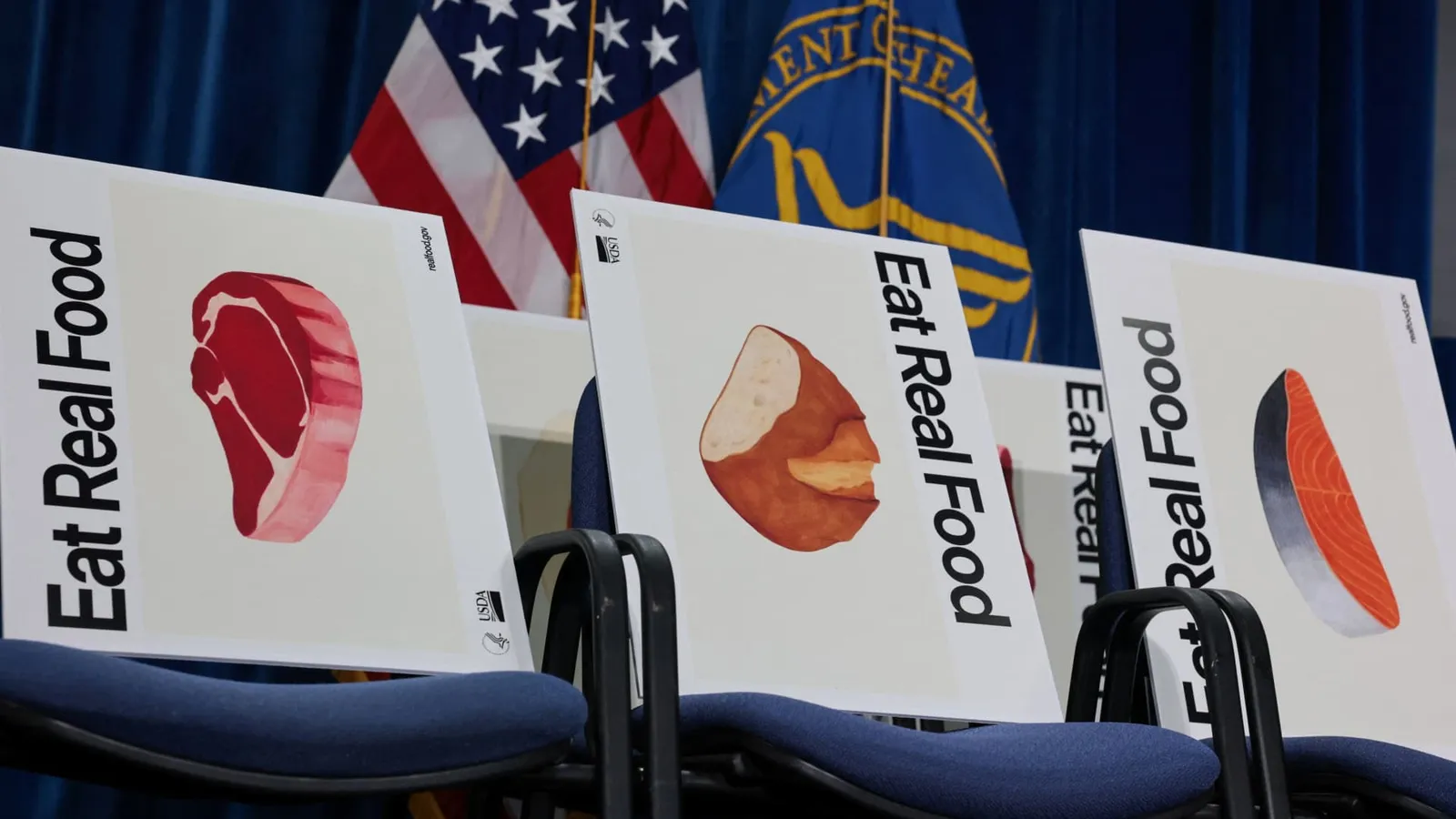
SNAP food restrictions are spreading to more states, pressuring major food and beverage companies as consumers shift spending away from soda, candy, and processed foods. For decision-makers, the development raises a near-term demand and product mix risk for categories that rely on SNAP-adjacent sales.
SNAP food restrictions are spreading to more states, and the fallout is getting loud in food and beverage boardrooms. The core issue is simple: rules that limit what SNAP recipients can buy are pushing consumers away from soda, candy, and processed foods, and that shift is starting to show up as pressure on major brands.
CNBC frames it as a widening problem for the industry, not a one-off state policy experiment. As restrictions move into more places, retailers and manufacturers that have historically benefited from broad access to these categories may face less predictable demand. In other words, even if a company sells “everything,” certain product lines can start losing velocity when eligibility rules tighten.
To understand why this matters beyond one or two aisles, it helps to remember how SNAP functions in the real economy. SNAP is a large, ongoing food purchasing program, which means policy changes can quickly alter consumer behavior. When shoppers perceive that restricted items are harder to buy, they do not just swap one product. They often shift baskets. That can mean less spend on soda, candy, and other processed items, and more spend on alternatives that remain eligible.
This is where the second-order effects kick in. Food and beverage companies do not only sell products, they build demand through distribution, promotions, and habitual purchases. Processed categories such as soda and candy often rely on regular buying cycles. If SNAP restrictions reduce exposure to those categories for a large slice of consumer purchasing, the impact can extend further than the direct “restricted item” line. Retailers may respond by adjusting shelf space and promotional intensity, which can affect sales even for shoppers who are not directly on SNAP, because stores typically optimize for overall traffic and margin.
Regulation is also a timing risk. SNAP restrictions do not change consumer tastes overnight, but they can accelerate shifts already underway. CNBC’s summary points to consumers shifting spending away from soda, candy, and processed foods, and it connects that behavior to the spread of SNAP restrictions across more states. That linkage matters to executives because it suggests the policy is not just symbolic or isolated. It is acting like a catalyst that reinforces a broader pivot away from ultra-processed products.
For major food and beverage companies, the strategic implication is uncomfortable: a product portfolio that was built around mainstream convenience and impulse purchases may face a growing mismatch with SNAP-influenced demand. Even if total sales do not collapse instantly, pressure can surface in mix, volumes, and promotional strategies. Companies that lean heavily on categories most likely to be restricted can see their growth path narrow. Companies that already have strong offerings in eligible categories can benefit more quickly, particularly if retailers highlight them in response to SNAP-driven shopping patterns.
Boards and CFOs typically think about these moments as compounding risk. Policy expansion across multiple states means it is harder to write off losses as geography-specific noise. When the same direction of change shows up in more than one place, it can change how management evaluates forecasting and inventory planning. It can also affect marketing spend decisions, because campaigns for restricted-adjacent categories may produce weaker returns in markets where SNAP rules tighten.
So what should peers take away if they are running similar businesses or overseeing portfolio strategy? Treat SNAP restriction expansion like a demand-mapping issue, not just a compliance item. CNBC is signaling that food and beverage makers are watching because shoppers are changing what they buy, and as more states adopt restrictions, those changes can become more consistent. The question for leadership is whether their product mix and go-to-market plans can adapt fast enough to protect share and margin when consumer baskets shift at scale.
This story's Key Insights and Take-aways are locked.
Create a free account to unlock Executive Actions for one credit.
Register to UnlockAlways free for Executives Club members. Join the Club
More in Business

Accenture’s $4.18bn play fails as AI fears spark a 20% worst-ever stock plunge
On Thursday, Accenture hit its biggest one-day drop on record after forecasting worries that AI could hollow out consulting.

SpaceX stock jumps 3% after it overtakes Amazon’s market cap
CNBC says SpaceX’s shares surge following its IPO Friday, forcing investors to reprice what “space” and “AI” are worth.

SpaceX’s first options day breaks U.S. records after a $85B IPO win
Big IPO, bigger options debut: what it means for investors, risk teams, and anyone benchmarking market appetite.