
Sorkin's Social Network follow-up loses nearly 2,000 theaters as critics and box office sour
The long-awaited sequel to a modern classic is being pulled from screens after a brutal critical and commercial reception. Here's what it signals for studios betting on nostalgia.

Aaron Sorkin's follow-up to The Social Network is being removed from nearly 2,000 theaters after struggling with critics and at the box office. The move underscores the high risk of sequel bets on beloved IP and the accelerating shift in theatrical distribution.
The long-awaited follow-up to The Social Network is officially losing its theatrical footprint: nearly 2,000 screens are being pulled, a brutal vote of no-confidence from exhibitors after a run that has struggled with both critics and audiences. For a film that was supposed to ride the legacy of a modern classic, the contraction is a loud signal that the nostalgia play has backfired. The removal is not a quiet tweak; it's a public acknowledgment that the theatrical run is failing, and it's happening fast.
The original, directed by David Fincher and written by Aaron Sorkin, turned the founding of Facebook into a cutthroat corporate thriller, winning Academy Awards and cementing itself as a cultural touchstone. The follow-up, also from Sorkin, was meant to capture that lightning again, but instead of the savage wit and sharp dialogue that defined the first film, it has been met with a shrug from critics and a cold shoulder from moviegoers. The contrast is stark: the original became a modern classic, while its successor is being yanked from screens in its first weeks.
When a studio pulls a film from nearly 2,000 theaters, it's not a quiet adjustment; it's a public admission that the theatrical run is failing. Exhibitors typically reduce screens based on per-screen averages; if a film isn't drawing crowds, it gets bumped for stronger titles. The decision to pull a film from theaters is often made by the distributor in consultation with exhibitors, and it's a clear signal that the film's per-screen average has fallen below the threshold needed to justify the screens. This is the market's way of reallocating scarce screen real estate, and it happens fast when word-of-mouth is negative. For a follow-up that was supposed to be a sure thing, the speed of the contraction is a warning to anyone betting on brand recognition alone.
The Social Network follow-up was a high-stakes bet on intellectual property with a built-in audience. But the original's success was a perfect storm: a timely story, a visionary director, and a screenplay that turned tech drama into Shakespearean tragedy. Recreating that alchemy is nearly impossible, and the follow-up's struggles highlight the danger of assuming brand recognition equals demand. The original's legacy is so strong that any follow-up would face impossible expectations, and this one clearly didn't meet them.
This isn't an isolated incident. The theatrical window has been shrinking for years, with studios increasingly willing to cut losses and pivot to streaming. A film that loses screens this quickly often ends up on a digital platform within weeks, where it can find a second life or sink without a trace. For executives, the calculus is shifting: theatrical is no longer the default revenue engine, but a marketing event for the streaming catalog. The Social Network follow-up's removal is a textbook example of this new reality.
Critics were unkind, and in the modern box office, that's a death sentence. With Rotten Tomatoes scores and social media amplifying every negative take, a film that doesn't land with reviewers struggles to open, and then struggles even harder to hold screens. The follow-up's critical stumble meant it never built the momentum needed to survive the second weekend, let alone a long run. In this environment, a critical flop can become a financial disaster within days, as the film loses screens and any chance of building an audience. The result is a self-fulfilling prophecy: poor reviews lead to empty theaters, which leads to screen cuts, which leads to even fewer audiences.
For studio heads and producers, the lesson is about managing expectations and reading the room. A sequel to a beloved film carries an enormous burden: it must satisfy nostalgia while offering something new. When it fails, the losses are not just financial; they can tarnish the original's legacy. The Social Network follow-up's theater exodus is a case study in the perils of betting on a brand without a fresh, compelling story. It also raises questions about the wisdom of greenlighting follow-ups to films that were products of a specific cultural moment.
The smartest move for any executive considering a follow-up is to test the concept early, listen to audience feedback, and be willing to pivot to a different format if the theatrical appetite isn't there. In an era where streaming offers a lower-risk path, forcing a sequel into theaters without a clear win is a gamble that increasingly doesn't pay off. The Social Network follow-up's contraction is a reminder that even the most celebrated IP can't survive a bad sequel. For the industry, it's a data point that nostalgia alone doesn't sell tickets.
This story's Key Insights and Take-aways are locked.
Create a free account to unlock Executive Actions for one credit.
Register to UnlockAlways free for Executives Club members. Join the Club
More in Business

A flaw in PHP just forced governments to pull their own sites offline
European agencies from Belgium to Germany took websites dark to patch a critical weakness in the language behind almost 70% of the web, and the blast radius extends far beyond government portals.

BioWare shuts down, Mass Effect 5 dead after $55B EA buyout
The legendary RPG studio's closure lands months after a $55 billion investment group buyout of EA, raising tough questions for gaming's biggest acquirers.
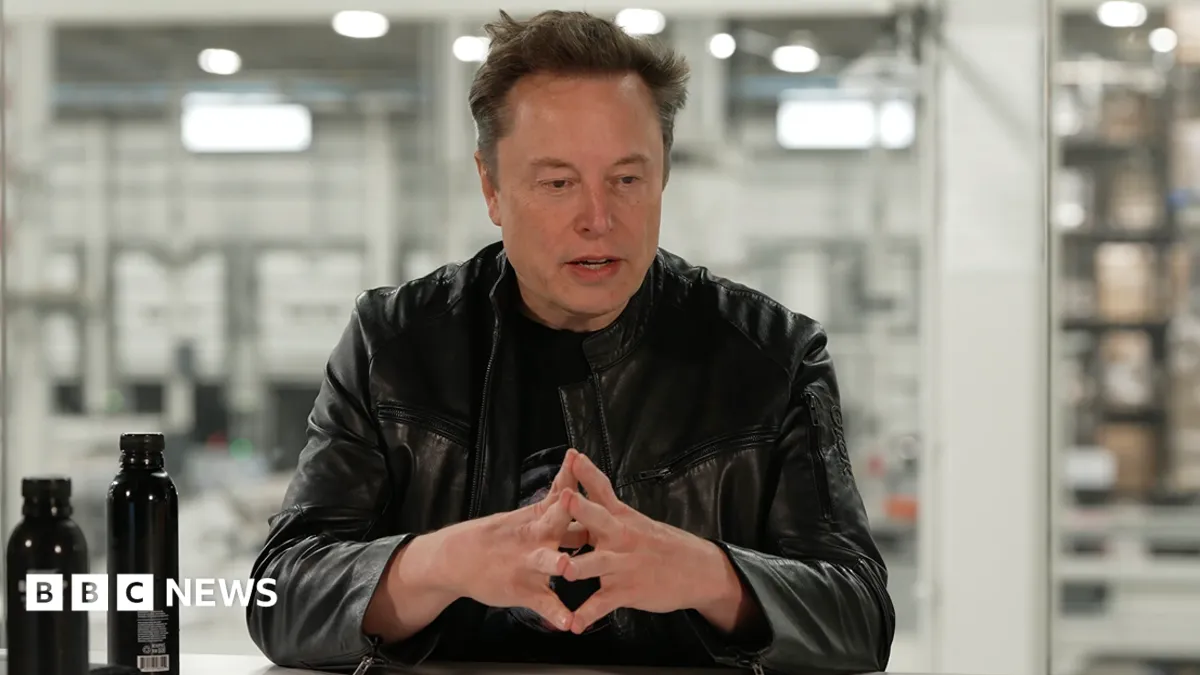
Musk weighs Tesla-SpaceX mega-merger as boards form review panels
Special committees at both companies will examine a tie-up that could fuse electric vehicles and space launch, forcing a fresh look at governance and valuation.