
SpaceX IPO FOMO ends in fine-print reality check for investors
The decade’s hottest listing drew crowds, but the risks were hiding in plain sight.

SpaceX became a magnet for investors chasing hype around an IPO, according to MarketWatch’s coverage. The consequence is a reminder that skipping the fine print can turn excitement into a brutal reality check for decision-makers.
SpaceX IPO excitement has been a magnet for investors who hate missing the next big thing. MarketWatch frames the moment with a blunt theme: when an offering gets hyped, the biggest danger is not the headline, it is what you do not read.
That is the core of the “brutal reality check” described here. The story is essentially about the hidden danger of chasing hyped initial public offerings and the investor behavior that follows: skipping the fine print. When the documentation, risks, and mechanics are ignored, the outcome can feel unfair. In practice, it is usually the opposite. It is just late.
To understand why SpaceX, specifically, becomes such a lightning rod, you have to remember how IPO cycles work when expectations get crowded. In the run-up to a major listing, the public narrative tends to compress everything into a single story arc: visionary company, category leader, unstoppable momentum. That story is not automatically wrong, but it can become incomplete fast. IPOs are complex instruments built from many moving parts, including disclosures about risks, business exposure, forward-looking uncertainty, governance structures, and the terms that define what investors actually bought. Hype makes it feel like you are buying the dream. The filings and terms are what you are actually buying.
This is where the “fine print” angle matters. In an IPO, the fine print is not a decorative legal footnote. It is the map of how the company can stumble, how the business could change, and what limitations exist around projections. MarketWatch’s summary calls this out directly: the danger is skipping the fine print when an offering is hyped. That warning has real consequences, because the market can reprice risk quickly once trading starts and reality forces a new, more grounded conversation.
Regulatory framing is part of the reason fine print exists at all. Public markets rely on disclosures to level the playing field, at least in theory. Regulators require companies to explain what they do, how they make money, and where uncertainties live. Investors can disagree on what those uncertainties mean, but they cannot pretend the uncertainties were never disclosed. When investors rush into hot IPOs without digesting those disclosures, they are effectively outsourcing their due diligence to the crowd.
That crowd behavior is not just emotional. It has second-order effects on boards and executive teams, too. When investors chase a story, the short-term price action can become a feedback loop. Management teams feel pressure to match market expectations, because the market will punish any mismatch. Boards, likewise, must manage investor perception, not just operating performance. But IPOs also create a new set of constraints and monitoring. As a company transitions to public ownership, governance expectations tighten. Disclosure obligations expand. Communication becomes more formal. The same risks that were manageable in private markets can become more visible in public markets, and markets do not forgive ambiguity for long.
For peers watching SpaceX as a “decade’s hottest IPO,” the stakes are more than curiosity. If you are a founder, CFO, or board member at a company preparing for a listing, this story is a reminder that the investor experience begins long before the first trade. It starts with how thoroughly investors understand what they are underwriting. It continues with how accurately the company communicates risk and uncertainty, especially when the narrative is racing ahead of the facts. If the market believes hype more than disclosures, the eventual disconnect can be painful.
For decision-makers already exposed to hot IPOs, the strategic takeaway is operational: treat prospectuses and risk disclosures as part of the investment process, not as a compliance checkbox. MarketWatch’s framing is clear. The hidden danger is chasing hype. The fix is the opposite of hype: slow down, read what can go wrong, and align your risk tolerance with what the fine print actually says. In a market where FOMO moves faster than analysis, that is the difference between buying a story and managing an investment reality.
This story's Key Insights and Take-aways are locked.
Create a free account to unlock Executive Actions for one credit.
Register to UnlockAlways free for Executives Club members. Join the Club
More in Business

Uber buys Delivery Hero for nearly $15B, vaulting to top food delivery outside China
The deal doubles Uber's dual-services footprint and pushes a ride-and-eats bundling play into 50 more markets.

Epic and Google drop settlement bid, forcing rival Android app stores by July 22
Google told the court it is ready to carry third-party app stores starting Wednesday, July 22.
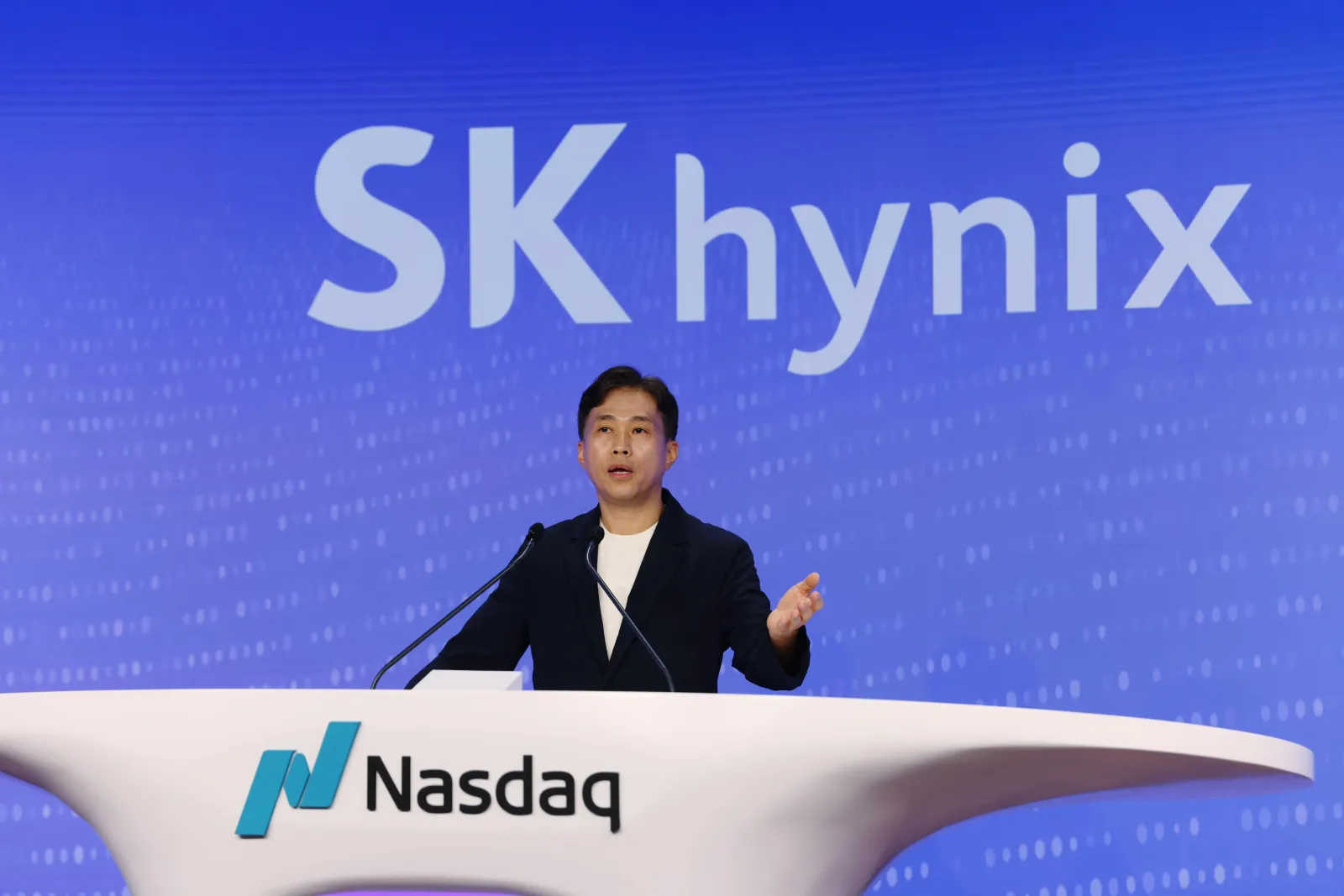
SK Hynix opens at $170, raises $26.5B, and tops foreign IPO records
In Friday's Wall Street debut, SK Hynix turns AI RAM demand into a $26.5B fundraising moment that rewrites comps.