
SpaceX IPO rewires Hong Kong liquidity as mainland capital hunts trillion-dollar upside
The coming SpaceX listing turns Hong Kong into a live test of who controls flows and how quickly they move.
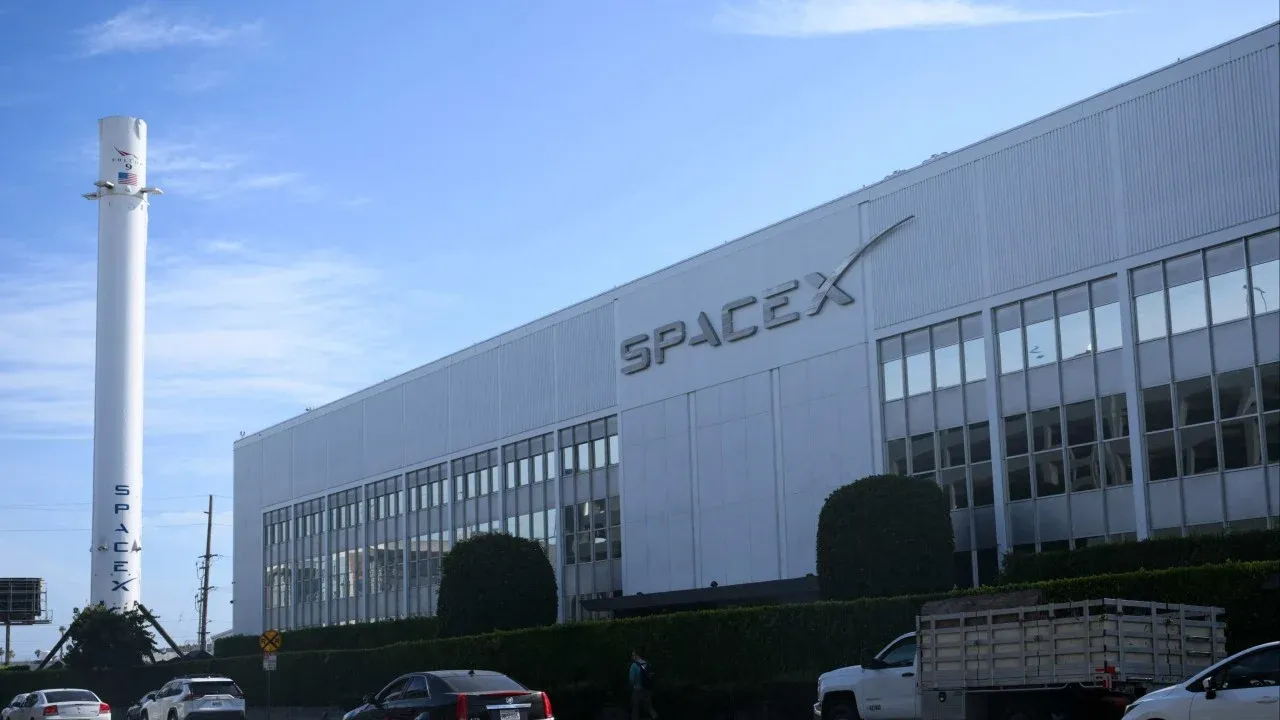
This SCMP Business piece is part of a series tracking SpaceX's historic IPO and its global impact, including how mainland Chinese investors, Hong Kong market activity, and wider capital flows are being reshaped. The consequence for decision-makers: Hong Kong stocks are facing a liquidity test as IPO enthusiasm recalibrates fund flows.
SpaceX’s historic IPO is not just a Silicon Valley fundraising headline. According to SCMP Business, the coming listing of SpaceX is already triggering a liquidity test in Hong Kong, because market enthusiasm is reshaping where money goes and how fast it moves. The story frames Elon Musk and SpaceX’s “trillion-dollar rocket gamble” as the central force behind a new fundraising record that the market is bracing for.
The first-order takeaway is simple: Hong Kong stocks are facing a “critical liquidity test” tied to the way fund flows get recalibrated. The second-order takeaway is the one executives actually care about: when large, high-visibility IPO expectations pull capital, the mechanics of liquidity can change before the listing even lands. SCMP positions this as a market shift, not a slow-moving background trend. It is the kind of move that can widen spreads, alter trading behavior, and force asset managers to adjust exposures on short timelines, especially in a market like Hong Kong that sits at the crossroads of global capital and mainland positioning.
SCMP also zooms out to the “global impact” theme by tying Hong Kong to mainland Chinese investors’ strategies. In this framing, investors are not only choosing whether to participate in SpaceX, they are also changing how they allocate into or away from Hong Kong equities. That matters because HK markets often act like a proxy for cross-border sentiment. When enthusiasm concentrates around one mega-issuer, it can either siphon liquidity from other names or concentrate it into the segments investors think benefit from the same thematic momentum.
The piece places that shift inside a broader capital-flow ecosystem. The reference point is “wider capital flows,” which usually means more than one channel is involved: portfolio managers rebalancing, funds adjusting risk limits, and currency or regional hedging effects. Even when investors still view Hong Kong as an access point, the timing and scale of their trades can be influenced by a single, globally covered fundraising event. SpaceX is described as setting up a new fundraising record in the coming listing, and that detail signals why capital is likely to re-route rather than simply sit.
Then there is the executive spotlight: SCMP mentions the emergence of Elon Musk as the “first-ever” trillionaire, alongside the listing narrative. Whether you track him as a CEO, a brand, or a market catalyst, the practical point is that celebrity-level valuation talk can move flows even among investors who do not buy the IPO itself. Big narratives tend to pull capital into related trades, and that can intensify liquidity pressure in the markets hosting the trading activity. In this case, the host is Hong Kong, which can experience a scramble in positioning when the market starts treating the event as a must-watch regime change.
For decision-makers, the regulatory and structural framing is where the risk becomes operational. Hong Kong’s role in connecting mainland capital to global markets means that trading liquidity can be sensitive to shifts in cross-border demand, especially around major catalysts. SCMP’s “liquidity test” language implies that the challenge is not whether investors are interested. It is whether markets can absorb flow changes smoothly without dislocating pricing or forcing funds into abrupt selling or rapid hedging.
This is why the SCMP series framing matters: it is not just describing SpaceX, it is tracking a chain reaction. A trillion-dollar-scale fundraising headline changes expectations. Those expectations then influence how mainland strategies express themselves in Hong Kong. That, in turn, affects liquidity conditions across the broader tape. If liquidity tightens or becomes episodic, it can ripple into trading costs and the ability of boards and CFOs to time financing or manage market-facing decisions.
Finally, the strategic stakes for peers are clear. When a mega-IPO changes the rules of capital attention, executives at other growth companies and financial institutions must assume their market liquidity conditions can shift faster than fundamentals. SCMP’s framing suggests that the “coming listing” is already reshaping behavior, and that means timing, positioning, and risk management become a live board issue, not an after-the-fact analysis.
This story's Key Insights and Take-aways are locked.
Create a free account to unlock Executive Actions for one credit.
Register to UnlockAlways free for Executives Club members. Join the Club
More in Business

SpaceX debuts Friday on Nasdaq at $135, surges to $160.95, valued near $1.8T
A Nasdaq opening pop turns SpaceX into a public company overnight, forcing new money questions fast.
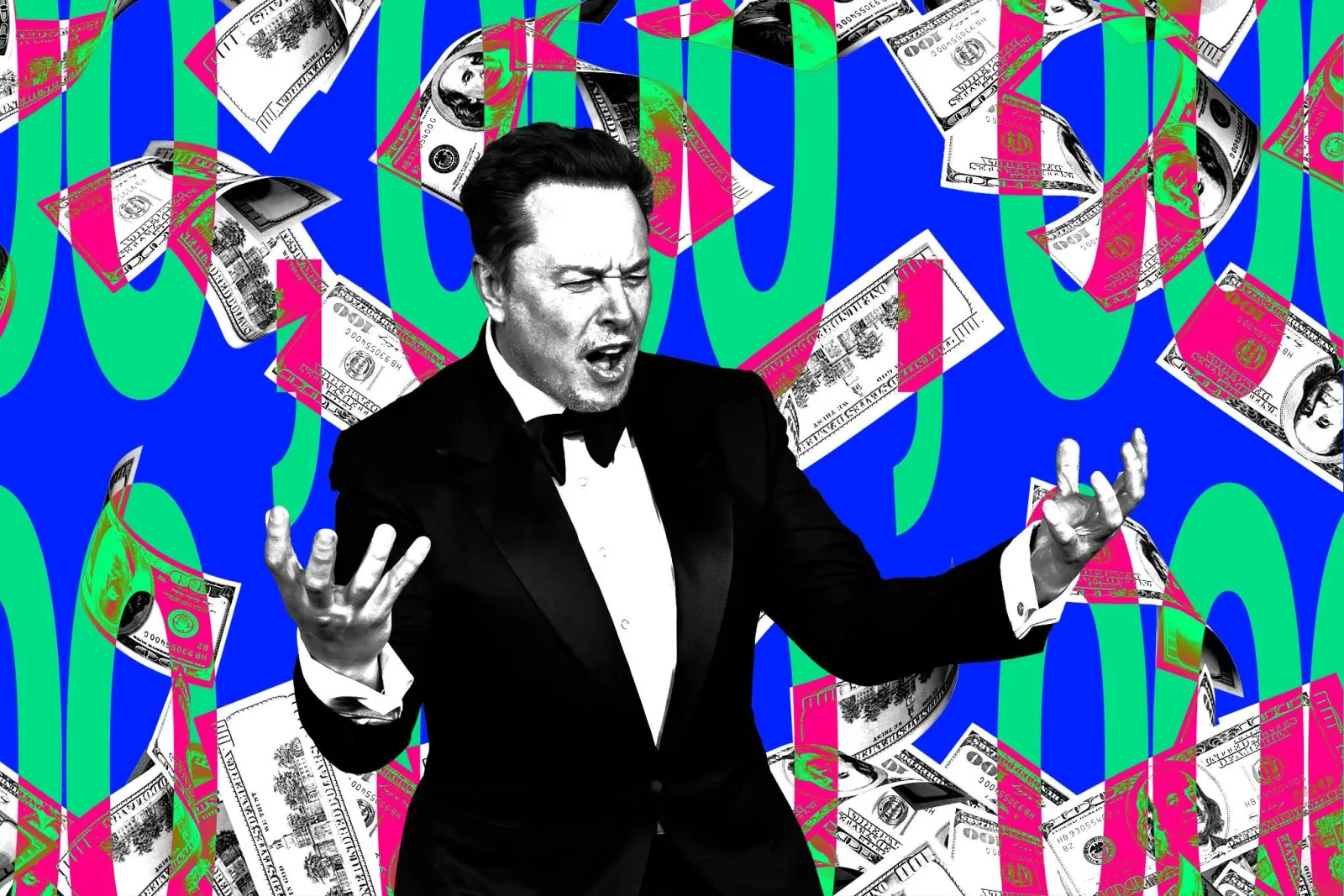
Elon Musk became the world’s first trillionaire after SpaceX IPO lifted him past $1T
SpaceX shares jumped, and Musk’s $800B pre-IPO value crossed a trillion, reshaping how investors price “moonshots.”
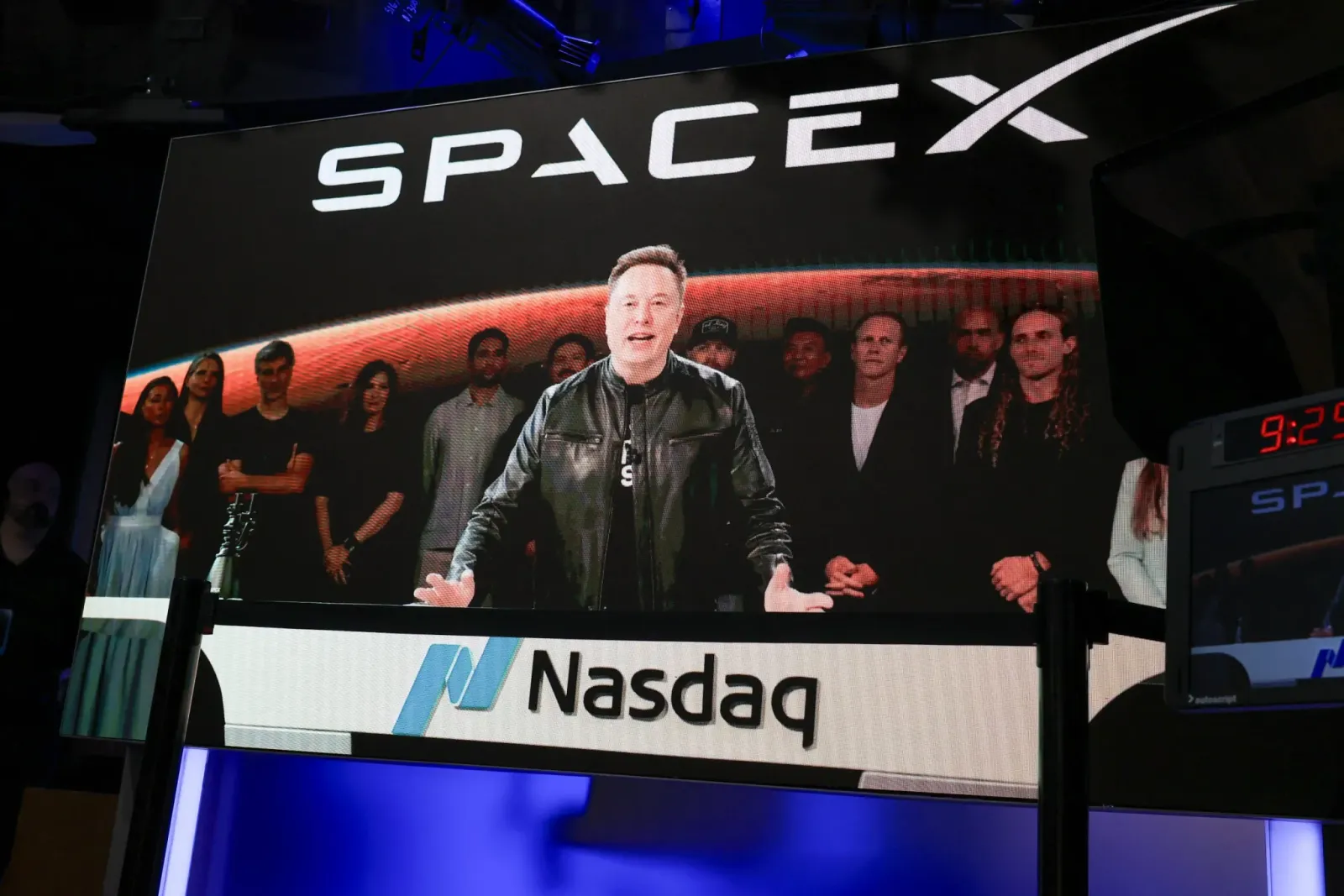
SpaceX stock closes at $161.11 after $2.1T debut valuation shatters expectations
The IPO priced at $135, surged on Nasdaq and Texas, and immediately rewired how executives think about mega-debuts.