
SpaceX IPO will end lockups, forcing $62.5B-$120.9B of venture secondaries to face fraud reality
When SpaceX, OpenAI, and Anthropic go public, shadow sellers, SPVs, and unhappy buyers get a long-overdue reckoning.
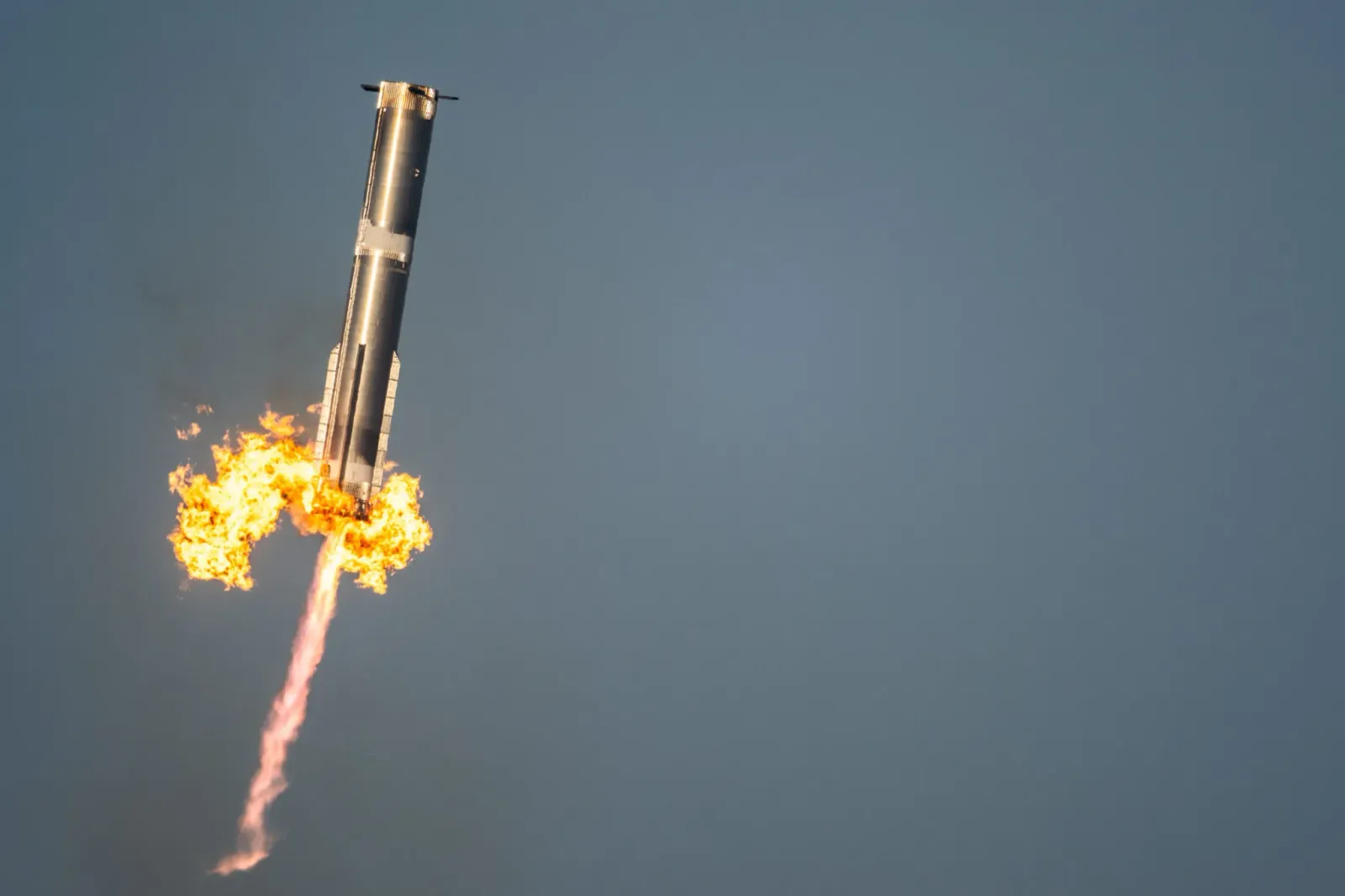
SpaceX’s IPO, happening a day after this brief’s snapshot and following months of IPO hype for OpenAI and Anthropic, will end lockups and test whether secondary-share buyers actually bought what they thought they did. For decision-makers, the reckoning is less about whether fraud exists and more about how much, in a market estimated at $62.5 billion to $120.9 billion in 2025.
A day before the spectacle of SpaceX’s IPO, the real tension isn’t just the company valuation in the headlines. It’s what happens to the investors who already own SpaceX stock through the private-market “secondary” maze. For them, listing day is a nerve-racking moment of truth: SpaceX will go public, the lockup period will end, and they will finally learn whether their secondary purchase was a jackpot, a scam, or something in between.
This matters because the venture secondaries market has become enormous and opaque. In 2025, it was estimated at somewhere between $62.5 billion and $120.9 billion, an “elephant-size black box” that rarely got daylight. And in that dark, fraud does not need to be theoretical. The core question is not whether fraud will be uncovered when SpaceX IPOs. The question is how much. That difference is where executives, boards, and investors start doing triage.
So why is the reckoning coming now? The market’s incentives have been building for two decades. Companies are staying private longer. The average venture-backed unicorn now remains private for at least 10 years, and today there are about half as many public companies as there were in 1996. That shift is partly practical: it has gotten easier to stay private as more capital from VCs and other investors piles in, and being public with all its scrutiny is increasingly seen as cumbersome. But it’s also a timeline problem. VCs and limited partners get squeezed when winners take so long to liquidate.
On top of that, the biggest private companies have turned into investor magnets. OpenAI was valued at $852 billion, according to private market investors referenced in the source, and Anthropic was valued at $965 billion when it was cited as “five-year-old.” Meanwhile, OpenAI and Anthropic have both confidentially filed to go public, with no guarantee of timing or that an IPO will happen at all. SpaceX joins that same public-facing pipeline, which makes this moment feel less like a single IPO and more like a sector-wide stress test.
When liquidity finally arrives, the players in the middle get dragged into the light. The venture secondaries market exists because some people want shares of the hottest private companies before the public markets open the gate. There are also sellers who are often employees or earlier investors, generally transacting through tender offers. But the journey between sellers and buyers frequently runs through pre-IPO brokers and platforms with wildly varying credentials, plus structures that can hide the real ownership chain.
One of the source’s key culprits is the special purpose vehicle, or SPV. SPVs became especially popular in the AI boom because they can be used as “one-deal vehicles” to deploy millions or billions into coveted cash-intensive companies like OpenAI, Anthropic, and xAI. The problem is that SPVs often go two or three layers down, abstracting the buyer away from the original owner. In many cases, SPV investors may not even know who the first layer of shares is owned by. The source compares it to buying a Picasso from a gallery that bought it from a dealer that bought it from a guy who says he knows the owner’s family, and then receiving proof as a PDF email. You still wire $50 million, but the authenticity chain gets weird fast.
SPVs can also create visibility gaps for companies themselves. An SPV is not always like a clean one-to-one share purchase that companies can easily map to a cap table update. As Glen Anderson, cofounder and CEO of Rainmaker Securities, put it in the source: in special purpose vehicles, people are “trading units, not trading shares,” and “the actual cap table entity doesn’t change.” He added that it often “doesn’t require company approval.” That kind of structural opacity is exactly what turns an IPO day into a reckoning day.
The secondaries fraud conversation is not just about shady vibes. The source points to outright fraud cases, including Giovanni Pennetta, charged by federal prosecutors with using a slideshow pitch to fraudulently sell millions in nonexistent Anduril shares, and caught trying to flee at New York’s JFK Airport. It also captures why the market gets defensive and why it gets loud: Anduril cofounder Matt Grimm, when we spoke a few months ago, described “wildcat secondaries” as sellers slinging “share prices that are completely unreasonable and unjustified,” preying on desperate, potentially naive, or potentially deceived investors, and creating a broad market problem that could dissuade retail-type investors. Even when the deal isn’t flat-out fraud, the gray area can still harm trust.
And here is where decision-makers should sharpen their focus. SpaceX’s IPO, like OpenAI’s and Anthropic’s possible public debuts, is not just a valuation event. It is a forcing function that ends lockups and forces counterparties to prove what they actually have, who owns it, and whether the ownership chain holds up when the market lights switch on. In a market estimated at $62.5 billion to $120.9 billion, small failures can scale. For boards and investors across the private-company ecosystem, the strategic stakes are simple: if secondary ownership turns out to be messy, the reputational and operational spillover will not stay confined to the secondary sellers. It will reach companies, LPs, employees, and the intermediaries that made the liquidity bet possible in the first place.
This story's Key Insights and Take-aways are locked.
Create a free account to unlock Executive Actions for one credit.
Register to UnlockAlways free for Executives Club members. Join the Club
More in Business

SpaceX debuts Friday on Nasdaq at $135, surges to $160.95, valued near $1.8T
A Nasdaq opening pop turns SpaceX into a public company overnight, forcing new money questions fast.
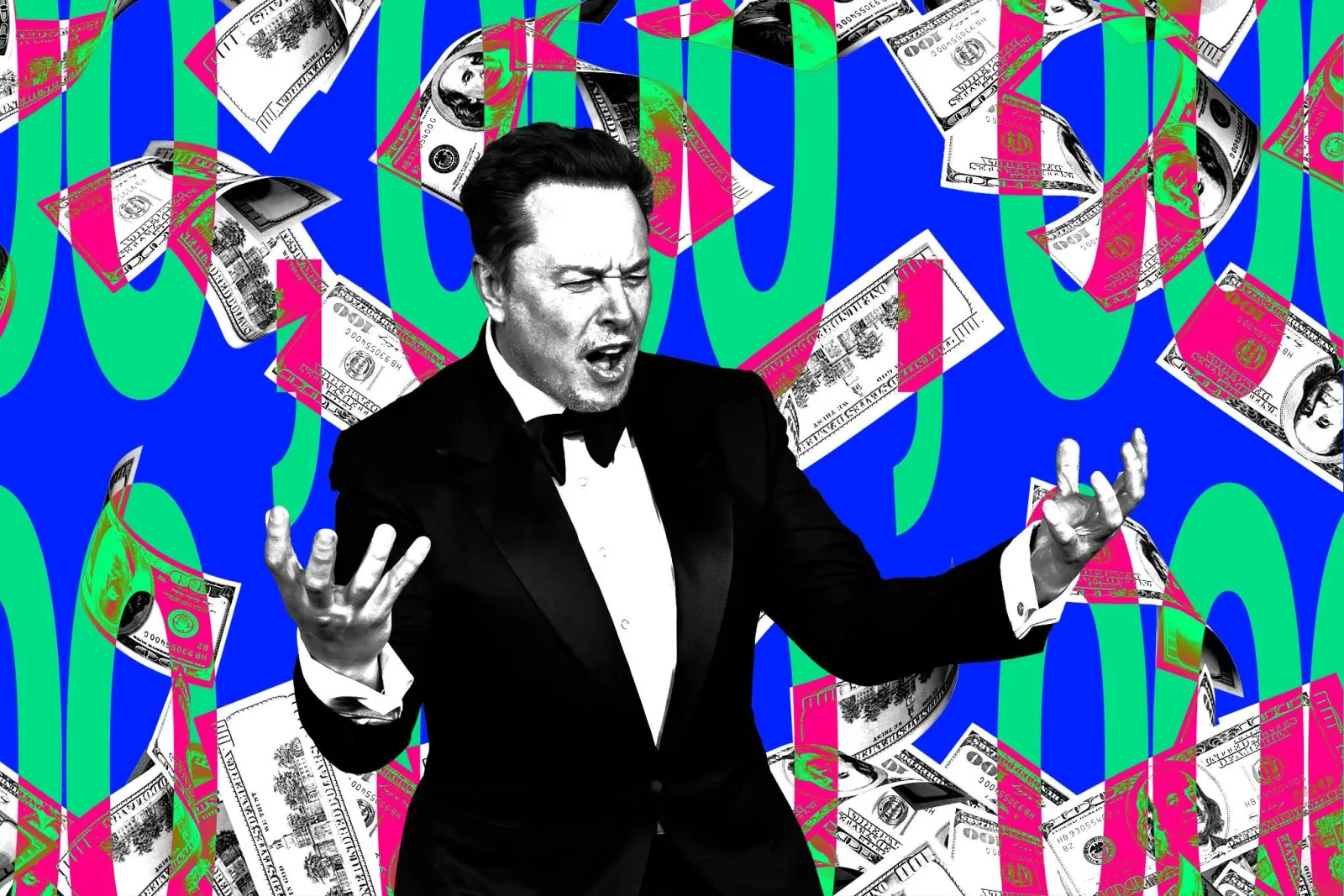
Elon Musk became the world’s first trillionaire after SpaceX IPO lifted him past $1T
SpaceX shares jumped, and Musk’s $800B pre-IPO value crossed a trillion, reshaping how investors price “moonshots.”
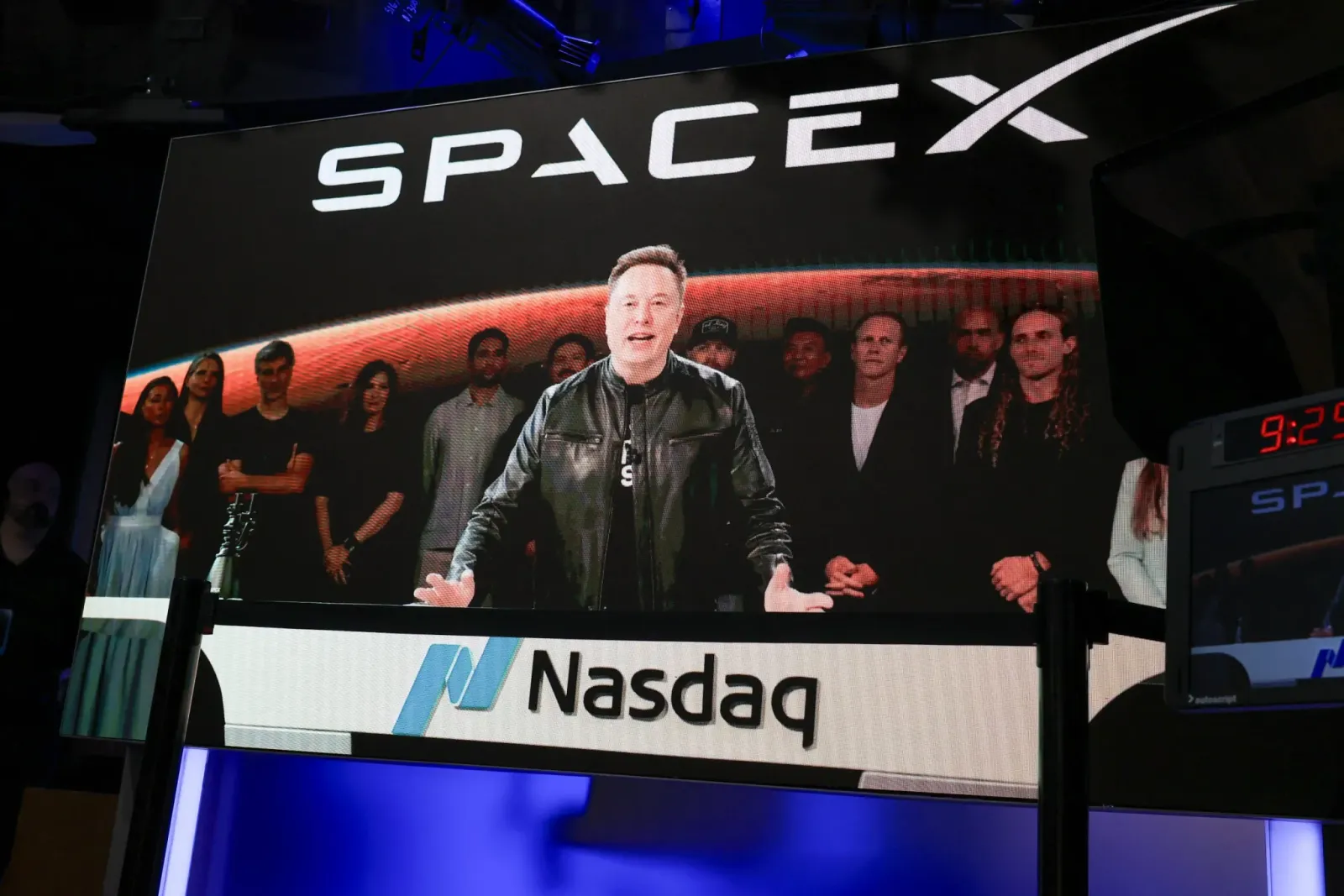
SpaceX stock closes at $161.11 after $2.1T debut valuation shatters expectations
The IPO priced at $135, surged on Nasdaq and Texas, and immediately rewired how executives think about mega-debuts.