
SpaceX lands $40B debt deal as Musk forecasts doom for AI rivals
The rocket giant is building an AI chip rental empire, and its founder just warned that weaker players won't survive the compute arms race.
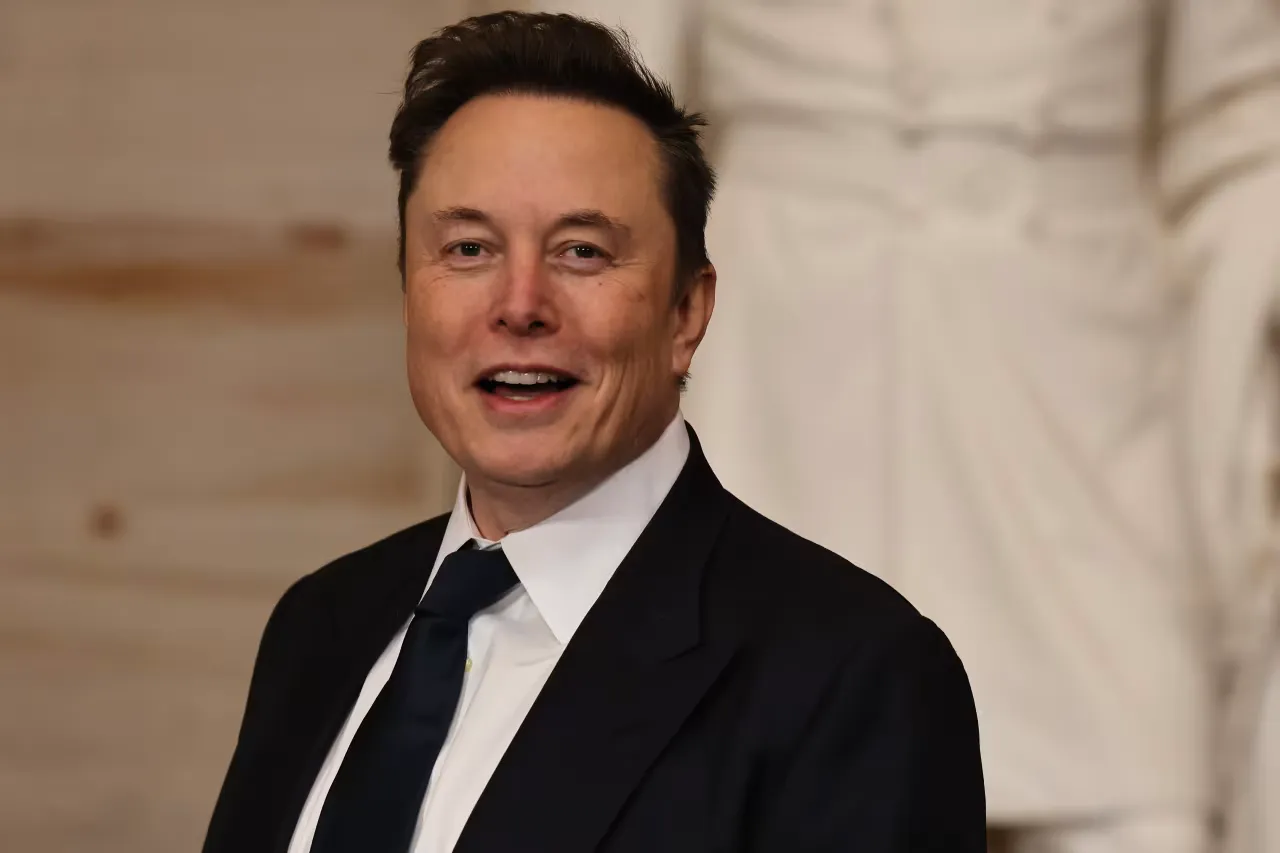
Elon Musk announced SpaceX secured a $40 billion debt deal while warning that some AI rivals face a reckoning. The capital raise gives SpaceX a war chest to expand its chip-rental AI business, raising the stakes for every AI company competing for scarce compute.
Elon Musk has confirmed that SpaceX landed a $40 billion debt deal, a staggering sum that will bankroll the company's push into AI infrastructure. In the same announcement, he forecast doom for some AI rivals, signaling that the compute arms race is about to get bloodier. The news, reported by MarketWatch, puts SpaceX at the center of two of the most capital-intensive industries on earth: space and artificial intelligence.
The $40 billion figure is the headline, but the real story is what SpaceX plans to do with it. The company is rapidly growing an AI business that rents out access to advanced chips, effectively turning it into a landlord for the AI economy. That means SpaceX is no longer just launching satellites and rockets; it is building a moat around the most sought-after resource in tech: compute. For AI startups and cloud providers, this is a direct challenge to their access to the hardware that powers everything from chatbots to autonomous systems.
To understand why this matters, consider the economics of AI chip rental. Advanced chips like Nvidia's GPUs are expensive, scarce, and in near-constant demand. Companies that own them can charge premium rates for access, and those with the capital to buy chips in bulk can dictate terms. SpaceX's $40 billion debt deal gives it the balance sheet to do exactly that, joining a crowded field of GPU cloud providers, hyperscalers, and specialized AI infrastructure firms. The difference is that SpaceX brings a unique combination of engineering culture, vertical integration, and Musk's willingness to make bold, long-term bets.
Musk's warning about AI rivals is not just bluster. The AI industry is currently in a phase of massive capital expenditure, with companies spending billions on data centers and chips in the hope of future returns. But not every player has the cash flow or access to debt markets to sustain that spending. As interest rates remain elevated and investors grow more selective, weaker AI companies may find themselves unable to raise the next round or service their existing debt. Musk's forecast of doom is a recognition that the compute buildout will separate winners from losers, and that only those with deep pockets and strategic clarity will survive.
For context, SpaceX is already a dominant player in the launch market, with a valuation that has made it one of the most valuable private companies in the world. Its expansion into AI chip rental is a natural extension of its existing infrastructure capabilities, including its Starlink satellite network and ground stations. By renting out chips, SpaceX can generate recurring revenue that complements its launch business and provides a hedge against the cyclicality of space contracts. The $40 billion debt deal suggests that lenders see this strategy as credible, and that they are willing to back Musk's vision at a scale few other companies could command.
The implications for decision-makers are immediate. If you are a founder or executive building an AI product, your cost of compute is about to be influenced by a rocket company. That is not a joke; it is the reality of a market where capital and hardware are becoming interchangeable. Boards should be asking tough questions about their own compute strategy: Are you locked into long-term contracts? Do you have access to chips at competitive rates? Can you survive a price war initiated by a player with a $40 billion war chest? The answers will determine who thrives and who gets squeezed out.
Ultimately, the SpaceX deal is a signal that the AI infrastructure buildout is entering a new phase. The early days of AI were defined by algorithmic breakthroughs; the next phase will be defined by who controls the physical assets that make those breakthroughs possible. Musk's forecast of doom for some AI rivals is a reminder that capital intensity is a feature, not a bug, of this industry. For everyone else, the strategic stakes are clear: compute is the new oil, and the companies that secure it at scale will write the rules of the AI economy.
This story's Key Insights and Take-aways are locked.
Create a free account to unlock Executive Actions for one credit.
Register to UnlockAlways free for Executives Club members. Join the Club
More in Business

Anthropic's S-1 reveals $80.7B loss as it races OpenAI to IPO
The Claude maker files publicly for a Nasdaq listing under 'ANT,' exposing staggering losses and a world-altering ambition before it can beat OpenAI to the market.

A flaw in PHP just forced governments to pull their own sites offline
European agencies from Belgium to Germany took websites dark to patch a critical weakness in the language behind almost 70% of the web, and the blast radius extends far beyond government portals.

BioWare shuts down, Mass Effect 5 dead after $55B EA buyout
The legendary RPG studio's closure lands months after a $55 billion investment group buyout of EA, raising tough questions for gaming's biggest acquirers.