
SpaceX locks in $40B debt to buy AI chips, Musk says
The rocket company is borrowing at sovereign scale to stockpile GPUs; that signals AI compute is now a board-level strategic asset.
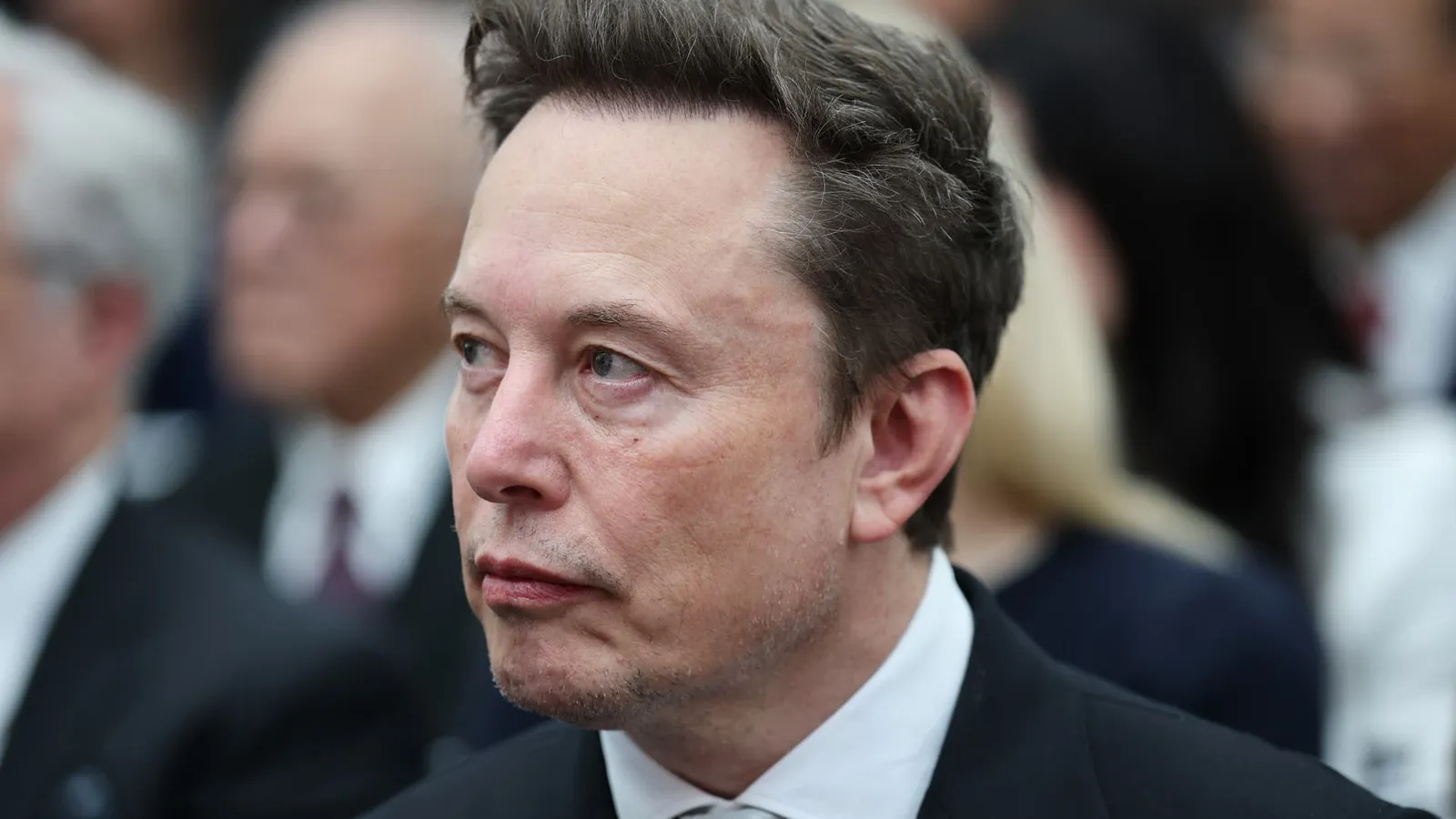
Elon Musk said in an X post that SpaceX has closed $40 billion in debt financing to purchase GPUs. The move signals that AI compute is becoming a strategic asset worth massive leverage, and it raises the stakes for every company building AI infrastructure.
Elon Musk said in an X post that SpaceX has closed $40 billion in debt financing to purchase GPUs. The figure, disclosed by the SpaceX founder and CEO, is one of the largest private debt raises tied to AI hardware, and it puts the rocket company in the same financial league as the hyperscalers that are spending tens of billions on compute. Musk did not specify which GPUs, which vendor, or what workloads the chips will power, but the scale of the financing implies a buildout that would rank among the biggest in the industry.
For decision-makers, the deal is a reminder that AI compute has become a strategic asset worth borrowing for at a scale previously reserved for acquisitions or infrastructure. SpaceX is best known for rockets and Starlink, but this financing suggests that the company sees GPUs as core to its future, whether for Starlink's network, for Musk's xAI venture, or for some other application. The post did not say, and the ambiguity itself is telling: the capital is being raised at the SpaceX level, not at a separate AI company.
The deal also highlights how the AI chip shortage is reshaping corporate balance sheets. GPUs, especially Nvidia's H100 and newer models, have become so scarce that companies are pre-paying for them, leasing them, and now borrowing billions to buy them outright. For context, a single high-end GPU can cost $30,000 or more, and a data center with tens of thousands of them can easily run into the billions. SpaceX's $40 billion would buy a very large cluster, though the exact number depends on the chip generation and the associated infrastructure. Nvidia's market value has surged past $3 trillion at times, reflecting the demand for its chips and the willingness of companies to pay up.
Debt financing for hardware is not new, but it is unusual at this scale for a private company. Traditionally, technology hardware is financed through operating leases or equipment loans, and lenders are cautious because chips lose value quickly. The AI boom has changed that calculus. Because demand for GPUs is so strong, they retain resale value, and lenders are increasingly willing to treat them as collateral. SpaceX's deal suggests that private credit markets are now comfortable underwriting AI hardware at a scale that would have been unthinkable a few years ago, and that the pool of capital available for AI infrastructure is far larger than many boards assume.
For Musk, the move adds another layer of leverage to an already ambitious portfolio. SpaceX is one of the most valuable private companies in the world, with Starlink generating recurring revenue and a valuation that has been reported at around $350 billion in recent funding rounds. But the company also faces heavy capital needs for Starship development and satellite launches. Adding $40 billion in debt, even if it is spread over time, increases financial risk, especially if the AI trade cools or if the GPUs do not generate the expected returns. Musk has also been building xAI, which competes with OpenAI and others, and the GPUs could eventually serve that effort, though the financing is structured through SpaceX.
The broader signal is that the AI infrastructure arms race is moving beyond the usual suspects. Cloud providers like Microsoft, Amazon, and Google have been spending tens of billions on data centers, but now a rocket company is borrowing $40 billion to buy chips. That tells you that compute is no longer just an input for software companies; it is a strategic asset that can justify sovereign-scale leverage. For boards and CFOs, the question is no longer whether to invest in AI, but how much leverage is appropriate for a resource that may be obsolete in a few years. The answer, for now, appears to be: a lot.
The risks are real. GPU generations turn over quickly, and a $40 billion debt load could become a burden if the AI buildout outpaces demand. But for now, the market is rewarding those who secure compute capacity, and SpaceX's move is a bet that the scarcity will persist. For peers in capital-intensive industries, the lesson is clear: if a rocket company is willing to borrow $40 billion for chips, the cost of waiting may be higher than the cost of leverage. The deal also puts pressure on competitors to act quickly, because the supply of both GPUs and willing lenders is finite.
This story's Key Insights and Take-aways are locked.
Create a free account to unlock Executive Actions for one credit.
Register to UnlockAlways free for Executives Club members. Join the Club
More in Business

A flaw in PHP just forced governments to pull their own sites offline
European agencies from Belgium to Germany took websites dark to patch a critical weakness in the language behind almost 70% of the web, and the blast radius extends far beyond government portals.

BioWare shuts down, Mass Effect 5 dead after $55B EA buyout
The legendary RPG studio's closure lands months after a $55 billion investment group buyout of EA, raising tough questions for gaming's biggest acquirers.
Musk weighs Tesla-SpaceX mega-merger as boards form review panels
Special committees at both companies will examine a tie-up that could fuse electric vehicles and space launch, forcing a fresh look at governance and valuation.