

SpaceX says it is worth $1.75tn before its stock market debut
The Elon Musk company set a target price for buyers earlier than expected, putting a giant private valuation in the market’s spotlight.
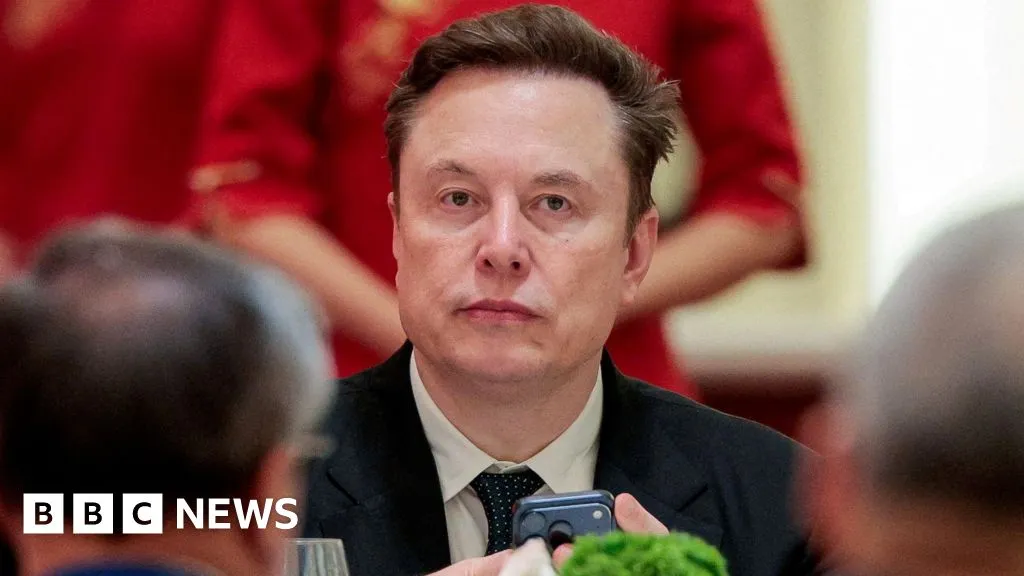
Elon Musk’s space exploration company SpaceX said it is worth $1.75tn and set a target price for buyers earlier than expected as it nears a stock market debut. For executives and investors, the move signals how aggressively private markets can reprice scarce assets before public-market scrutiny arrives.
SpaceX has put a number on itself: $1.75tn. That is the valuation Elon Musk’s space exploration company says it is worth as it nears a stock market debut, and it is the kind of figure that immediately changes the conversation from “how big is this thing?” to “how do you even price it now?” The company also set a target price for buyers earlier than expected, which matters because timing is not a footnote here. When a company this prominent starts talking about price ahead of schedule, the market pays attention fast.
The headline number is the point. A $1.75tn valuation places SpaceX in a very rare bracket for a private company, especially one tied to one of the most closely watched names in business, Elon Musk. The source does not spell out the mechanics of the stock market debut, but the practical takeaway is clear: SpaceX is moving into a phase where public-market expectations, not just private-market enthusiasm, begin to matter. For founders and boards, that shift is the real story behind the number. Once a company starts setting target prices for buyers, it is no longer just telling a growth story. It is testing whether buyers will actually bite at that level.
That is why the earlier-than-expected timing stands out. In markets, “earlier” usually means one of two things: the company wants to strike while demand is hot, or it sees value in moving before the window changes. The BBC summary does not give the full backstory, so it would be wrong to pretend we know the internal reasoning. But even with limited detail, the signal is strong. SpaceX is not waiting around to see whether the market cools, and at this size, even small moves can have outsized consequences for valuation benchmarks across the private-tech world. When a company of this stature sets a target price, it can influence what peers think they can ask for, what investors think they should accept, and how much patience both sides have.
For decision-makers, this is also a reminder of how tightly capital markets and narrative now orbit each other. SpaceX is Elon Musk’s space exploration company, and that alone guarantees attention. But the business implication goes beyond celebrity. A company approaching a stock market debut has to reconcile the story it tells internally, the price it signals externally, and the scrutiny that comes with turning private enthusiasm into a tradable asset. Private investors can often tolerate lofty valuations if the growth story is compelling enough. Public buyers, eventually, tend to want proof. That is the tension lurking behind any debut, especially one preceded by a high target price.
There is also a broader boardroom lesson in the timing. Setting a target price earlier than expected is not just a calendar note. It can shape the negotiating leverage between the company and buyers, and it can set the tone for how ambitious the offering feels before the first trade ever happens. If the price is set too low, the company may leave value on the table. If it is set too high, buyers may hesitate. SpaceX’s $1.75tn marker suggests confidence, but it also raises the stakes: the higher the starting point, the more careful the market becomes about whether the business can justify it over time.
For executives, investors, and operators watching from the sidelines, the real lesson is not simply that SpaceX is expensive. It is that the company is attempting to define the market narrative before the market fully defines it. That can be a powerful move if demand is strong and the company believes its growth story is durable. It can also become a public benchmark that competitors, bankers, and boards cannot ignore. As more private companies flirt with public-style pricing discipline, the question is not just who can raise money. It is who can defend a number when the spotlight gets hotter and the buyer set gets less forgiving. SpaceX just reminded everyone that in today’s markets, the valuation is part story, part signal, and part dare.
This story's Key Insights and Take-aways are locked.
Create a free account to unlock Executive Actions for one credit.
Register to UnlockAlways free for Executives Club members. Join the Club
More in Business

Elon Musk unveils a flying car, and SpaceX helped build it
The Tesla CEO's showcase at a SpaceX facility signals a future where road and rocket engineering converge.

Apple's $2,000 iPhone Duo opens preorders, taking on Samsung and Google
Apple's first foldable hits the market at a premium price, reshaping a category Samsung and Google have led.

Pope Leo XIV, first American pope, diagnosed with lung cancer
The 71-year-old Chicago-born pontiff underwent successful surgery on his right lung, and his diagnosis raises new questions about his AI-focused papacy and the Vatican's future.