

SpaceX sets price for record stock debut earlier than expected
Elon Musk’s company is moving faster toward a market debut that could reset expectations for private space valuations and investor demand.
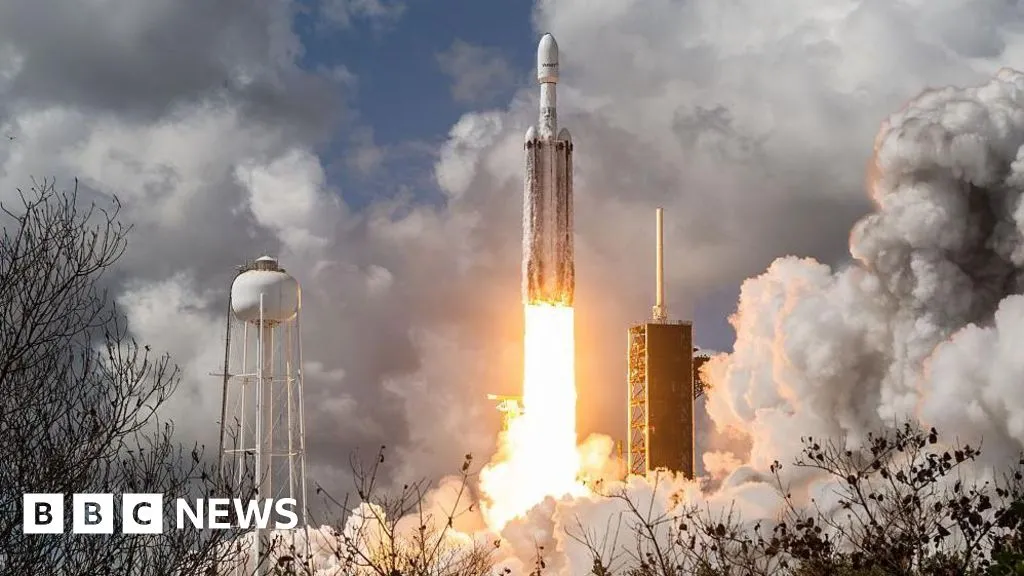
Elon Musk’s space exploration company SpaceX set a target share price for buyers earlier than expected as it aims for the world's largest stock market debut. For CEOs, CFOs, and boards, the move is a live reminder that timing, pricing, and investor appetite can shape not just fundraising, but market expectations for an entire category.
SpaceX, Elon Musk’s space exploration company, has set a target share price for buyers earlier than expected as it pushes toward what would be the world’s largest stock market debut. That is the core signal here: this is not just another private company testing the waters. It is a giant trying to put a number on itself before the market does it for them, and doing it sooner than the street had expected.
The headline matters because price is never just price in a deal like this. A target share price tells investors what the company thinks the market should pay, and it gives everyone else a first look at the valuation fight to come. If SpaceX is indeed aiming at the world's largest stock market debut, then the pricing step is the first hard marker in a process that can shape demand, set expectations across the private markets, and influence how other high-growth founders think about timing their own exits or listings.
BBC News did not provide additional details in the source beyond that early pricing move, so the clean takeaway is the one that matters most: SpaceX is moving ahead of schedule in a process tied to a potentially record-setting debut. In public markets, that kind of early price-setting can be a strategic flex. It can also be a test of confidence. Move too early, and you risk asking investors to commit before the story is fully ready. Move too late, and you risk losing momentum. SpaceX is clearly choosing speed over drift here.
For context, stock market debuts are usually tightly choreographed because pricing is where ambition meets reality. The company and its bankers typically try to balance what insiders want, what public investors will accept, and how much scarcity the market is willing to reward. When a company with SpaceX’s profile enters that process, the ripple effects go well beyond one cap table. A giant listing can reset the reference points for venture-backed companies, pressure rivals in aerospace and adjacent deep-tech sectors, and make investors ask which other private names are actually ready to go public and which are still years away from that threshold.
The fact that this move comes from Elon Musk’s company adds another layer of market significance. Musk is already one of the most closely watched executives in business, and SpaceX sits at the intersection of aerospace, frontier technology, and capital markets mythology. Any public-market step by a company of that scale is going to be read as a signal about investor appetite for massive, long-duration bets. If the debut is truly the world’s largest, then this is not just a financing event. It is a benchmark event, one that could alter how public markets price scale, ambition, and technical risk in one shot.
That is why this matters to decision-makers outside of space. Founders should care because a company like SpaceX can shift the bar for what counts as “market-ready.” CFOs should care because early pricing is a reminder that valuation is as much about narrative control as arithmetic. Boards should care because timing decisions can shape leverage with investors, employees, and competitors at once. In a market where capital can swing between cautious and euphoric fast, an early share price target is not a footnote. It is a message: the company believes the window is open, and it wants to define the terms before anyone else does.
The second-order effect is simple but important. When a marquee private company starts pricing earlier than expected, it can speed up conversations everywhere else about liquidity, dilution, and whether the private-market runway is as long as people assume. Even without more detail from the source, the strategic picture is clear. SpaceX is not just preparing for a listing. It is helping set the temperature for the next round of capital-market decisions, from boardrooms weighing timing to investors deciding how much they trust the next great private-company story before it becomes a public one.
This story's Key Insights and Take-aways are locked.
Create a free account to unlock Executive Actions for one credit.
Register to UnlockAlways free for Executives Club members. Join the Club
More in Business

A flaw in PHP just forced governments to pull their own sites offline
European agencies from Belgium to Germany took websites dark to patch a critical weakness in the language behind almost 70% of the web, and the blast radius extends far beyond government portals.

BioWare shuts down, Mass Effect 5 dead after $55B EA buyout
The legendary RPG studio's closure lands months after a $55 billion investment group buyout of EA, raising tough questions for gaming's biggest acquirers.

Musk barred from the room as Tesla, SpaceX boards weigh $3.5 trillion merger
The CEO of both companies is a 'conflicted party' watching independent directors negotiate a tie-up that would create a $3.5 trillion giant he would own about a third of.