

SpaceX shares surge 8% after earnings beat, Musk floats Tesla merger
A third-quarter revenue surge and a surprise merger hint put SpaceX in the spotlight. Here is what it means for Tesla investors and the space economy.
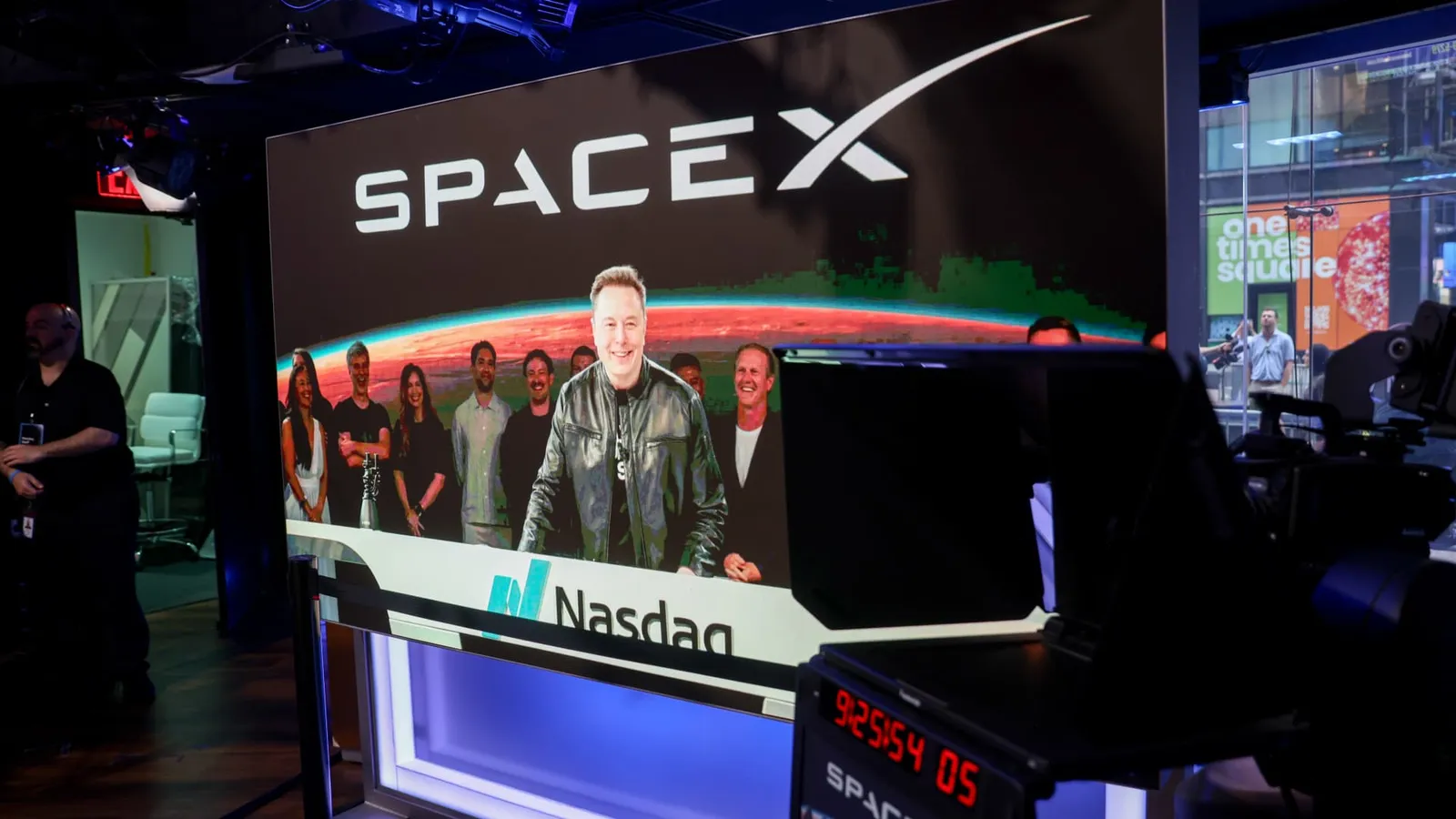
Elon Musk floated a potential SpaceX-Tesla merger after SpaceX reported surging third-quarter revenue and an earnings beat, sending shares up over 8% in premarket trading. The hint raises new questions about capital allocation, cross-company synergies, and governance for both boards.
SpaceX shares surged more than 8% in premarket trading after the company delivered an earnings beat and reported surging revenue growth in the third quarter. The jump came with a twist: owner Elon Musk floated a potential merger between SpaceX and Tesla, a move that would reshape two of the most closely watched companies in the world.
The earnings beat is the immediate catalyst. Third-quarter revenue growth accelerated, signaling that demand for launch services and Starlink connectivity remains strong. But the merger hint is the headline that will keep investors and boards busy. If Musk is serious, the combination would unite Tesla's battery, manufacturing, and artificial intelligence capabilities with SpaceX's rocket and satellite infrastructure. That would create a vertically integrated giant spanning autos, energy, and space, but it would also create enormous governance and valuation challenges.
Why would Musk float this now? The two companies already share technology and talent. Tesla builds batteries and powertrains that could support space operations, while SpaceX's Starlink could provide connectivity for Tesla vehicles and energy products. A merger would formalize those ties and give SpaceX access to Tesla's public currency and balance sheet, potentially easing the path to scale Starlink and Starship. It would also give SpaceX employees a liquid stock that trades on a major exchange, a powerful retention tool in a competitive talent market.
The structural hurdles are significant. Tesla is a public company with a fiduciary duty to its shareholders. SpaceX, according to the report, has shares trading in premarket, but a full merger would require a valuation of both companies, approval from Tesla's board, and likely scrutiny from regulators. Related-party transactions involving a controlling shareholder are always sensitive, and this one would be among the largest in history. The board would likely need to establish a special committee of independent directors to negotiate on behalf of Tesla shareholders. Valuation would be contentious, especially for a company like SpaceX that has seen its private market value climb sharply. The SEC would review disclosures, and antitrust regulators could examine competitive effects in satellite internet and electric vehicles.
For Tesla investors, the potential deal cuts both ways. On one hand, SpaceX's growth could diversify Tesla's revenue and give shareholders exposure to the space economy. On the other hand, merging with a capital-intensive rocket company could dilute Tesla's focus and require significant investment. Tesla's board would need to prove that any deal is fair and in the best interest of all shareholders, not just Musk. The 8% premarket pop suggests investors see the merger hint as a positive, or at least as a signal that Musk is thinking about new ways to create value. But the real test will come when the numbers are on the table.
For SpaceX, a merger would pull the company into the quarterly earnings cycle and the scrutiny that comes with being part of a public company. That is a cultural shift for a business that has operated with the speed and secrecy of a private venture. It would also force SpaceX to disclose more about its launch economics, Starlink subscriber growth, and government contracts. For competitors in the launch and satellite internet market, the prospect of a combined Tesla-SpaceX is a wake-up call. The lines between auto, energy, and space are blurring, and the companies that can combine hardware, software, and infrastructure will have an edge.
None of this is a done deal. Musk has floated ideas before that never materialized. But the fact that he raised it alongside an earnings beat gives it weight. Boards and CFOs should watch how Tesla's special committee, if one is formed, handles the valuation and conflict questions. The next few quarters will show whether this is a real strategic path or just a trial balloon. For now, the market is betting that Musk is serious, and that alone is enough to move the stock.
This story's Key Insights and Take-aways are locked.
Create a free account to unlock Executive Actions for one credit.
Register to UnlockAlways free for Executives Club members. Join the Club
More in Business

BioWare shuts down, Mass Effect 5 dead after $55B EA buyout
The legendary RPG studio's closure lands months after a $55 billion investment group buyout of EA, raising tough questions for gaming's biggest acquirers.
Musk barred from the room as Tesla, SpaceX boards weigh $3.5 trillion merger
The CEO of both companies is a 'conflicted party' watching independent directors negotiate a tie-up that would create a $3.5 trillion giant he would own about a third of.

Elon Musk just showcased a flying car - and it wasn't at Tesla
The Tesla CEO's latest reveal came at SpaceX, not Tesla, signaling where vertical mobility is headed.