

SpudCell looks alive, but its missing structure keeps it from true synthetic life
A new synthetic cell model resembles life on the outside. The inside reality is more complicated, and that matters.
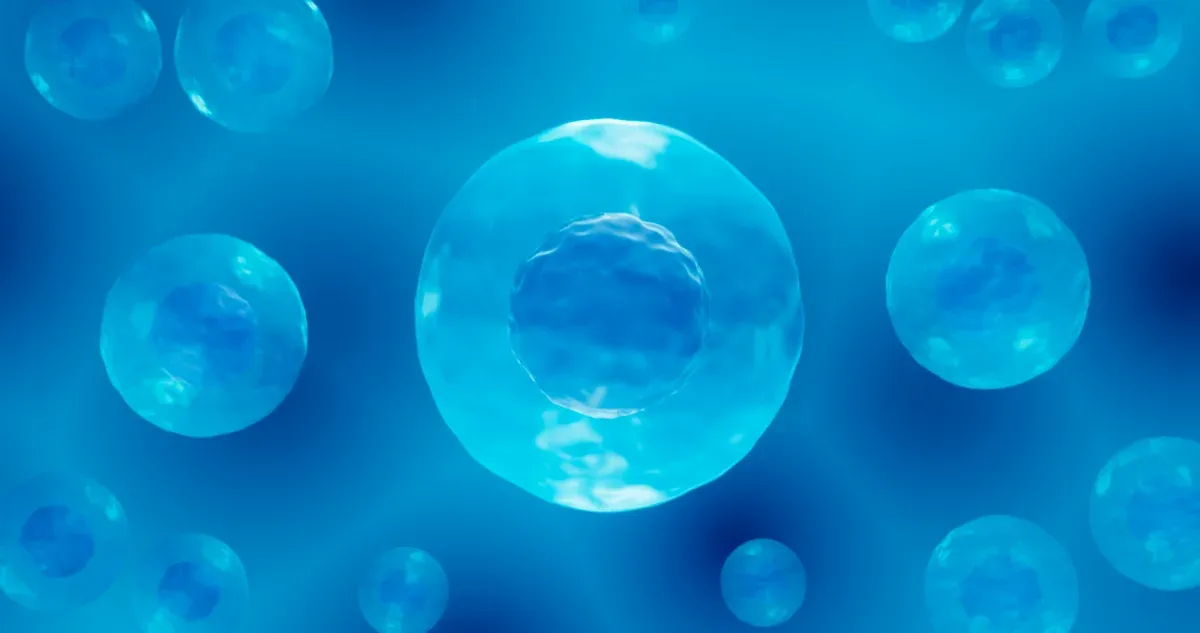
Scientists have developed the SpudCell, a synthetic system that resembles a living cell. But a key internal structure falls short of what real living cells have.
The SpudCell certainly resembles a living cell. That is the entire point, and it is why the question "Did scientists just create synthetic life?" has been popping up everywhere.
But the answer is more nuanced, and it lands on a single, consequential detail: a key structure inside the SpudCell falls short of the real thing. In other words, the outer behavior and appearance can be life-like, while an essential internal feature is not there. That gap is not semantic. It is the difference between a compelling model and something closer to actual life.
To understand why that distinction matters, it helps to translate how synthetic biology is usually judged. In the public imagination, "life" is a binary switch. In research and development, it is usually a checklist, with multiple components required to claim you have crossed a threshold. Some synthetic systems may mimic certain functions, show patterns that look dynamic, or replicate aspects of cellular organization. Yet when a core internal structure that is characteristic of true living cells is missing, you can end up with a system that looks alive without meeting the deeper bar.
This matters not only for scientists. It also matters for the people who fund, govern, and scale the frontier. Boards and investors care about what is being created, not just what it resembles, because the roadmap depends on the hard-to-engineer parts. If the missing piece is well defined, the work becomes an engineering and biology problem: which structures, which mechanisms, which pathways are required to move from life-like imitation toward life-like capacity.
There is also a regulatory and policy dimension that often gets underestimated early, right when hype starts to run ahead of evidence. Synthetic biology sits in a space where oversight may involve biosafety practices, risk assessments, and governance frameworks. Regulators generally want clarity about what has been built and what capabilities it has, particularly around containment, controllability, and potential impact. A system that is clearly life-like in appearance but not in essential structure can change how risk is evaluated. It may reduce certain concerns while still demanding careful review, especially if the technology could evolve.
For decision-makers, this is a reminder that claims travel faster than details. A headline about synthetic life can trigger waves of enthusiasm, press coverage, and capital attention. But internal cell structures, not press-friendly metaphors, are the features that decide whether a technology is robust, reproducible, and eventually useful. Overpromising can lead to reputational damage and, in some cases, misalignment between what a team is building and what stakeholders think they are funding.
The SpudCell story, as described, is also a useful reality check for how breakthroughs get communicated. A system "certainly resembles" a living cell, which implies visual or functional similarities that catch the eye. Yet the missing structure inside the cell is what "falls short". That is the key communication lesson for executives in adjacent domains too. When something is genuinely new, the most important updates are often not the headline claim, but the specific constraint that prevents the strongest interpretation.
Second-order implications show up quickly in how teams plan and how boards allocate attention. If the internal structure is absent, then the relevant question for project leadership becomes: can that structure be added, and what would it enable? And for governance: what milestones demonstrate progress toward the missing capability? For investors: what is the technical moat if the first version cannot fully claim "synthetic life"?
The strategic stakes are broad. Many companies and labs are working on systems that emulate biology in controllable ways, whether for manufacturing, medicine, diagnostics, or environmental applications. In each case, the gap between "looks like" and "is" determines the credibility of the technology. The SpudCell may be a step that tightens the resemblance to living cells, but without the essential internal structure, it is better framed as a powerful synthetic model than as a completed creation of synthetic life.
So the takeaway for peers is clear: treat synthetic life claims as a spectrum, not a switch. Reward the innovation, but demand the missing pieces, because those missing internal structures are exactly what will decide whether the next generation of synthetic biology can scale from lab wonder to real-world capability.
This story's Key Insights and Take-aways are locked.
Create a free account to unlock Executive Actions for one credit.
Register to UnlockAlways free for Executives Club members. Join the Club
More in Science
2026 Nikon Small World Winners Reveal the Hidden Machinery of Everyday Life
A mycologist's frozen Edinburgh garden became the backdrop for vivid views inside cells, a reminder of what advanced imaging now makes visible to researchers and the industries built on biology.

Study: 1 in 4 depression cases may be a body-clock problem, not a chemical one
A 10,000-person study finds standard antidepressants often fail these patients, but melatonin and morning sunlight may hit the real root cause.

Start-Up Says A.I. Designed a Virus to Attack One Patient's Superbug
If the claim holds up, personalized phage therapy could become a new frontline weapon against antibiotic resistance - but proof is far from final.