
Starbucks China ends free seating: buy before you sit, nationwide
The coffee giant's purchase-before-seating rule goes national Thursday, a strategic pivot that redefines the third place and pressures rivals to follow.
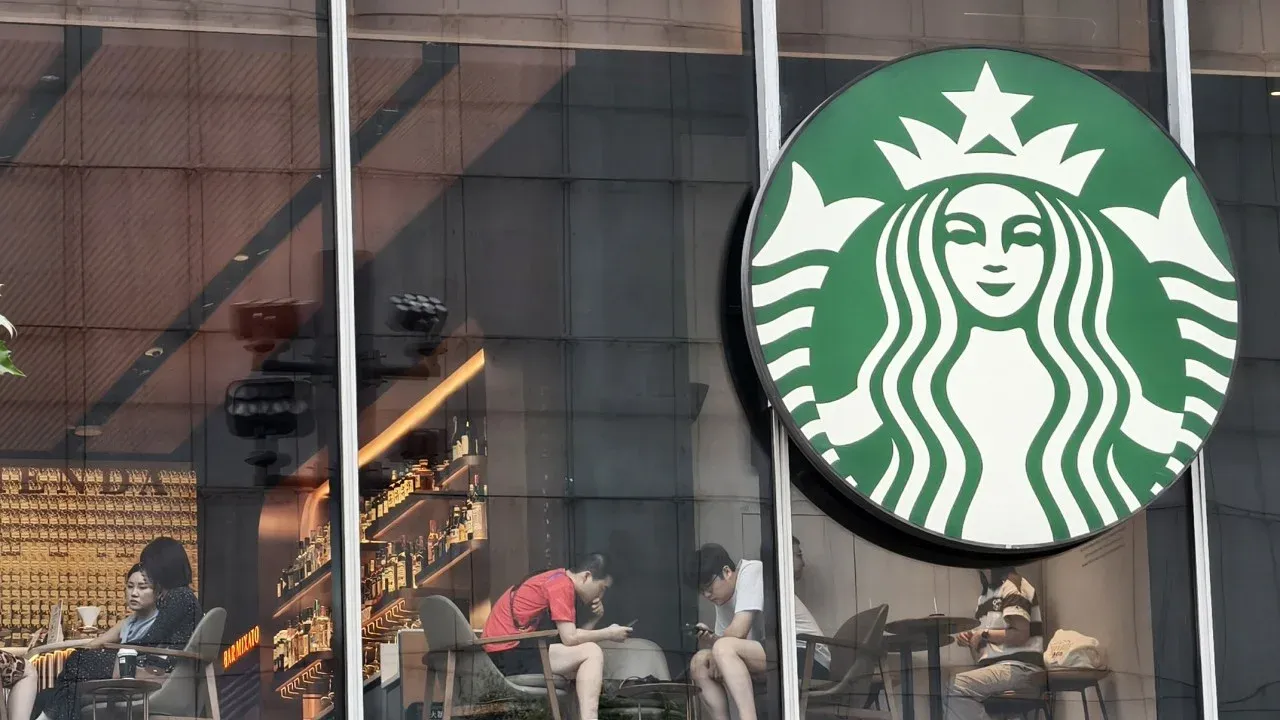
Starbucks China announced it will enforce a purchase-before-seating rule nationwide starting Thursday, following its North America policy reversal. For operators and investors, the move signals a shift from open-door hospitality to transaction-first store management, with implications for foot traffic, revenue per store, and brand positioning.
Starting Thursday, Starbucks China will require every customer to buy before they sit. The "purchase before seating" rule rolls out nationwide, with signs going up in stores, the Seattle-based coffee chain said Wednesday. It is the same policy Starbucks introduced in North America last year, and it marks the end of the open-door era in the company's second-largest market.
The company insists it is not abandoning its soul. Starbucks said it will prioritize helping visitors in need, such as pregnant women and people with limited mobility, and will continue to foster its stores as so-called third places. But the transaction-first rule is a clear strategic pivot: Starbucks is no longer willing to let its real estate double as a free public lounge. The policy has sparked widespread debate, and the rollout will be watched closely by competitors, landlords, and the millions of customers who treat Starbucks as a workspace.
For decades, the third place was Starbucks' moat. The idea - a comfortable, welcoming space between home and work - drove foot traffic, built loyalty, and made Starbucks a cultural fixture. But that promise came with costs: free restrooms, open seating, Wi-Fi, and air conditioning for anyone who walked in, whether or not they bought a latte. In high-rent urban markets, that math stopped working. The new rule is a direct response to those economics, converting a hospitality amenity into a revenue gate. Every seat now has a price of admission, and every hour of dwell time must be justified by a purchase.
The North America precedent is instructive. Last year, Starbucks reversed its open-door policy in the US, requiring purchases for seating and restroom access. The company framed it as a safety and operational measure, but it also aligned with a broader push to improve store profitability and throughput. Now China is following suit, which suggests the policy is not a regional fix but a global playbook. If Starbucks enforces it in both its home market and its most important growth market, it is a permanent shift, not a temporary experiment. The company is effectively telling investors that the era of free amenities is over, and that store economics will be driven by transaction data, not foot traffic alone.
The stakes in China are high. Starbucks operates thousands of stores there, and the market is fiercely competitive, with local rivals and changing consumer habits. The purchase-before-seating rule could boost average ticket size and table turnover, especially in prime locations where rent is steep. But it also risks alienating students, remote workers, and casual visitors who treat Starbucks as a workspace. The company's pledge to help pregnant women and people with limited mobility is a nod to the PR risk, but it does not fully offset the perception that Starbucks is closing its doors to non-customers. In a market where social media can amplify a single negative experience, the rollout will need careful execution.
For landlords and competitors, this is a signal. If Starbucks can enforce purchase-before-seating in China, other coffee chains and quick-service brands may feel pressure to clarify their own seating policies. Landlords may also see Starbucks as a more reliable revenue generator per square foot, which could strengthen its negotiating position in lease renewals. The policy effectively turns every seat into a potential revenue event, and that changes the economics of store design, staffing, and capacity planning. It also raises a broader question: will the third place survive in any form, or is it being replaced by a more transactional model where space is only for paying customers?
The strategic takeaway for executives is blunt: the era of free amenities is ending. Starbucks is betting that paying customers value speed and availability over the open-door halo. It is willing to sacrifice some brand warmth for operational discipline. For any retailer or hospitality operator, the lesson is clear - every square foot must earn its keep, and the third place is now a paid membership, not a public good. The policy may be controversial, but it is also a rational response to rising costs and intense competition. The question is whether Starbucks can enforce it without losing the very community that made the brand iconic.
This story's Key Insights and Take-aways are locked.
Create a free account to unlock Executive Actions for one credit.
Register to UnlockAlways free for Executives Club members. Join the Club
More in Business
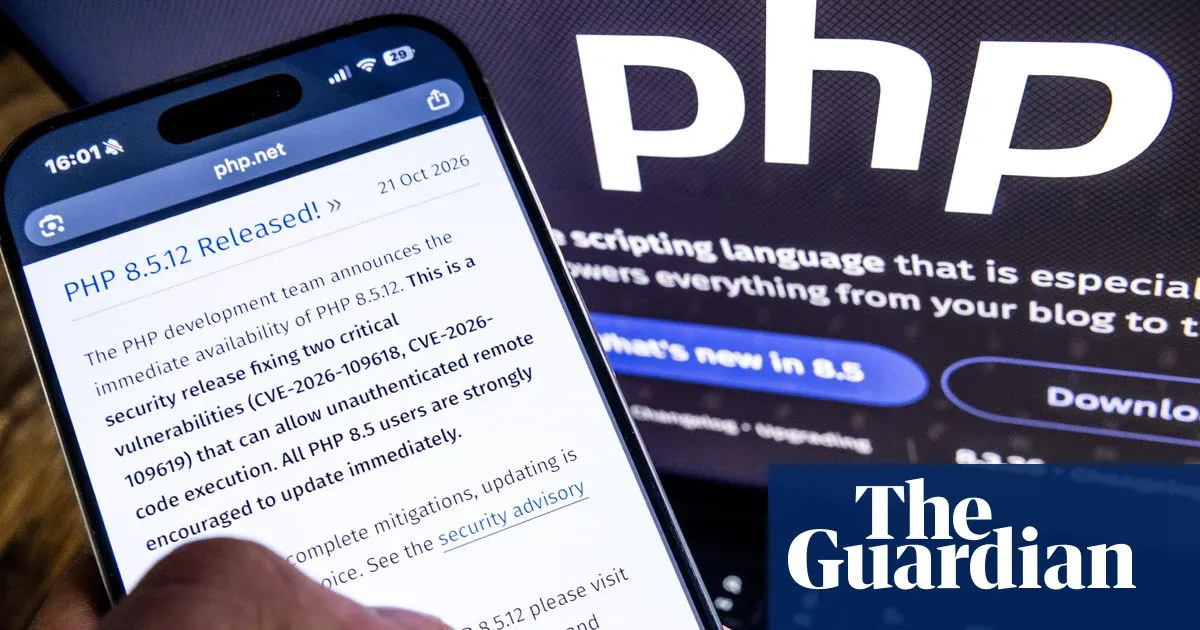
A flaw in PHP just forced governments to pull their own sites offline
European agencies from Belgium to Germany took websites dark to patch a critical weakness in the language behind almost 70% of the web, and the blast radius extends far beyond government portals.

BioWare shuts down, Mass Effect 5 dead after $55B EA buyout
The legendary RPG studio's closure lands months after a $55 billion investment group buyout of EA, raising tough questions for gaming's biggest acquirers.
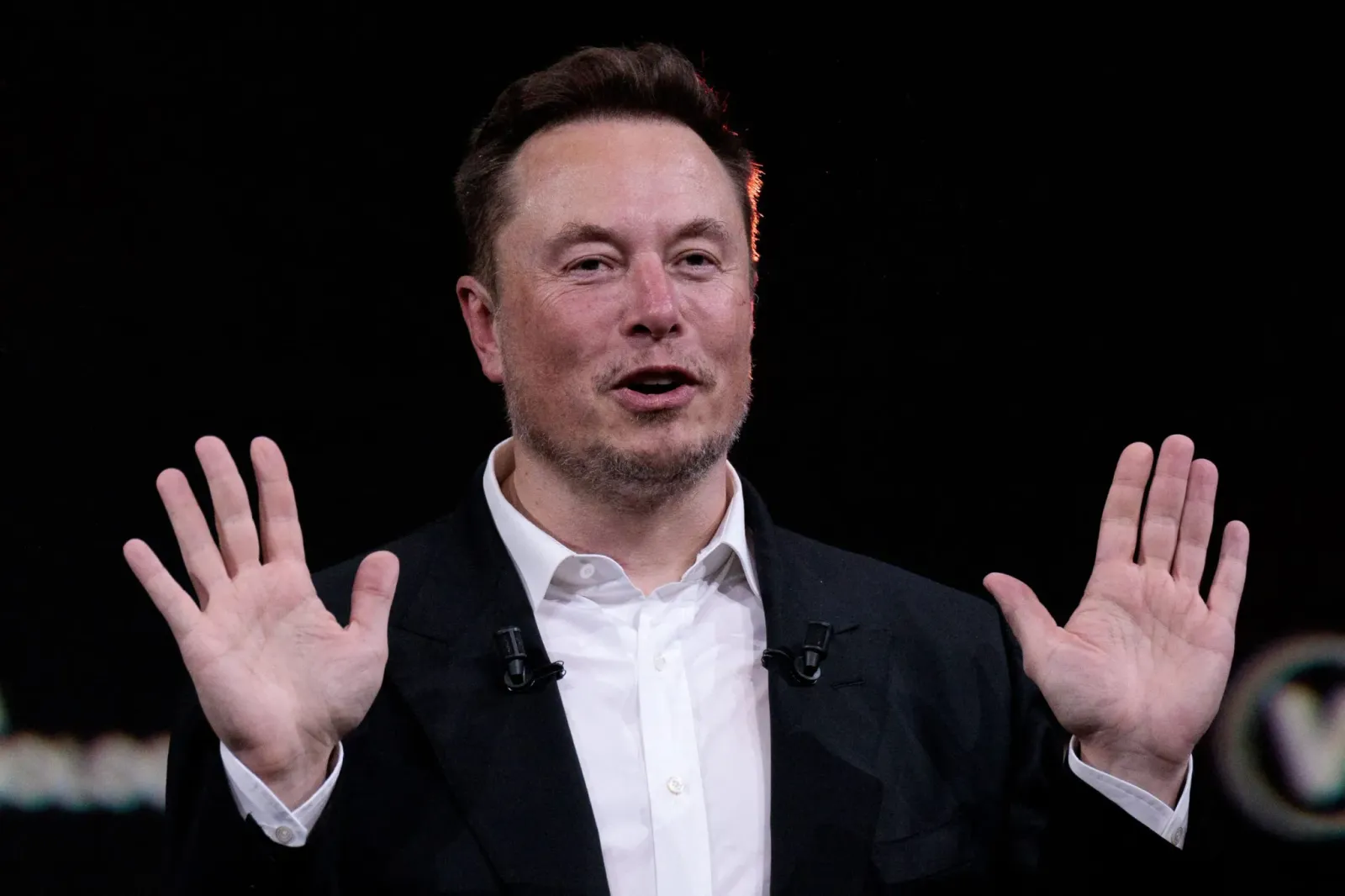
Musk barred from the room as Tesla, SpaceX boards weigh $3.5 trillion merger
The CEO of both companies is a 'conflicted party' watching independent directors negotiate a tie-up that would create a $3.5 trillion giant he would own about a third of.