
Start-ups are reviving geothermal under our feet, but pricing could still decide winners
A new wave of geothermal approaches is moving fast, yet the economics remain the make-or-break question for investors and regulators.
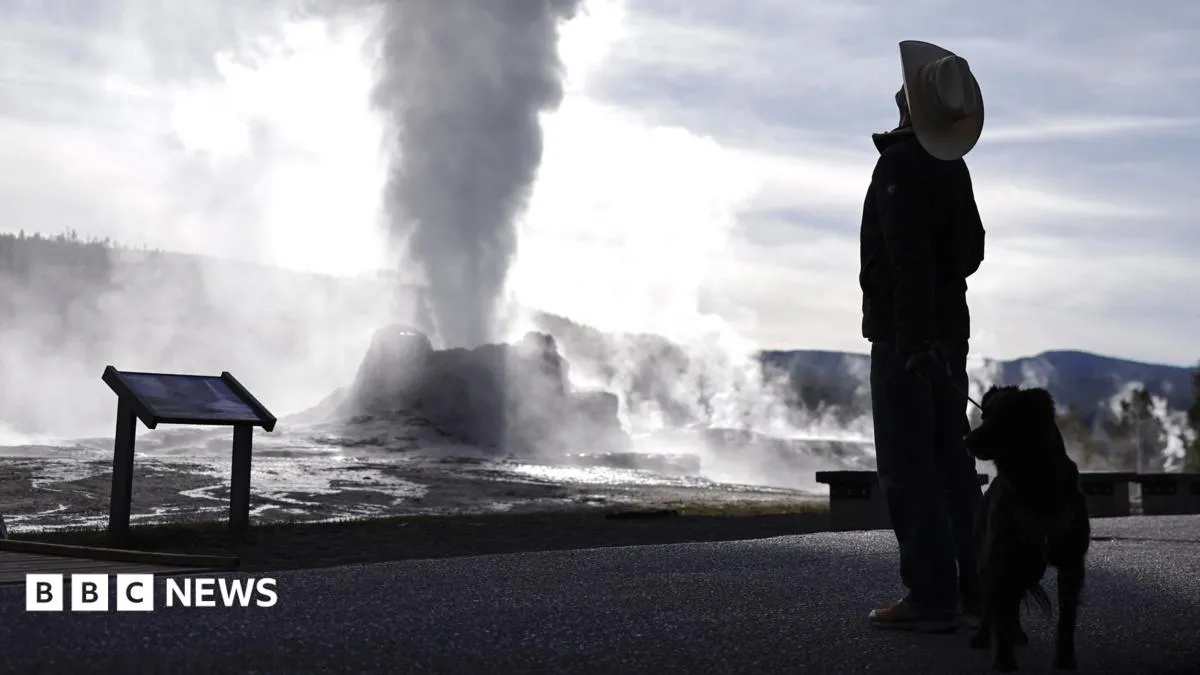
Start-ups are taking fresh approaches to geothermal energy. The big question for decision-makers is whether the economics of these new models can pencil out.
Geothermal energy is literally abundant. It sits under your feet, patiently waiting to be turned into electricity or heat. So why is it still so expensive? The BBC reports that start-ups are trying a new round of geothermal approaches, but the core issue is the same: will the economics work.
This matters because geothermal is one of those clean-energy options that sounds straightforward until you build it. You are not just swapping one technology for another. You are managing risk across drilling, development, permitting, and long timelines, and you only get returns after you prove a resource can produce energy at scale. The story is that start-ups are changing tactics to de-risk and accelerate the path from subsurface potential to usable power. But even with fresh approaches, the question is whether the total cost and timing can compete in real markets, not just in climate spreadsheets.
To understand why the economics are so stubborn, you need the basics of how geothermal projects typically work. Geothermal systems depend on heat from beneath the Earth. Turning that heat into energy usually requires access to the right geology, drilling into the subsurface, and creating a system that can circulate heat to generate power or provide direct heating. That sounds like engineering, and it is. But it is also a finance problem. Drilling and early testing can be expensive, and success is not guaranteed even when the area looks promising. For investors and boards, that means the upfront spend and uncertainty can outweigh the long-term upside unless new methods reduce cost, improve predictability, or shorten schedules.
That is where start-ups come in. The BBC notes they are taking “fresh approaches” to geothermal energy. The direction of travel is generally toward lowering technical risk and improving project velocity. In a market where energy companies and investors are under pressure to show both decarbonization and bankable returns, anything that makes geothermal easier to underwrite could be a big deal. But “could” is doing a lot of work. Economics decide what gets built, not potential.
Then there is the regulatory framing, which typically influences both costs and timelines. Geothermal projects intersect with land use, environmental review, and local permitting realities. Even when the technology improves, the permitting and compliance pathway can still impose delays. Delays are poison for project economics because they extend the period before revenues start, increase financing costs, and add uncertainty for partners. That means decision-makers are not only evaluating the science of a geothermal concept. They are evaluating whether regulators can move faster, and whether policy and approval processes are structured to support innovation without sacrificing environmental safeguards.
Second-order implications show up at the board level, too. When a company pursues a high-variance project like geothermal, directors have to decide how much risk is acceptable, how milestone funding should be structured, and what triggers require a pivot or pause. Start-ups trying new geothermal approaches may attract capital because the payoff could be large if a resource turns out to be both viable and economical. But boards still need to pressure-test assumptions: what happens if drilling is more expensive than modeled, if output is lower, or if the path to commercialization takes longer. The BBC's framing keeps the focus on the central uncertainty: economics.
For peers across energy and climate tech, the story is a reminder that “under your feet” is not the same thing as “under your budget.” Even if geothermal is abundant, it has to be delivered competitively. If start-ups can make geothermal projects cheaper, faster, or more predictable, they could unlock a more scalable clean baseload option. If they cannot, geothermal may remain a niche play that is technically impressive but financially constrained.
In other words, the race is not just to drill deeper or rethink the hardware. It is to make the full stack work economically. For investors, developers, and regulators watching this space, the stake is clear: geothermal could either become a mainstream clean power source or remain constrained by cost. The BBC report highlights that start-ups are trying to solve the problem. Now the market will decide whether their new approaches can actually close the gap between abundance and affordability.
This story's Key Insights and Take-aways are locked.
Create a free account to unlock Executive Actions for one credit.
Register to UnlockAlways free for Executives Club members. Join the Club
More in Technology

Nvidia's $89B data center quarter: the 9 companies cashing in
The AI buildout is minting fortunes beyond GPUs, and memory, cloud, and cooling suppliers are riding the same wave.

Google quietly links your phone number to every Android account on your SIM
Adding a SIM now ties your phone number to all Google accounts - and future accounts inherit it. Here's the security and privacy stakes.

Hijacker AI 'Skynet mode' runs 100,000 attack steps against exposed models
Symantec caught a criminal AI agent that borrows other models, steals data, and mines crypto; the only relief is no confirmed victims yet.