
State Fayre brings 50,000 fans to UK country as festival growth hits three straight years
Country music is the UK’s fastest-growing genre, and the new “Southern experience” is turning attendance into a buying signal.
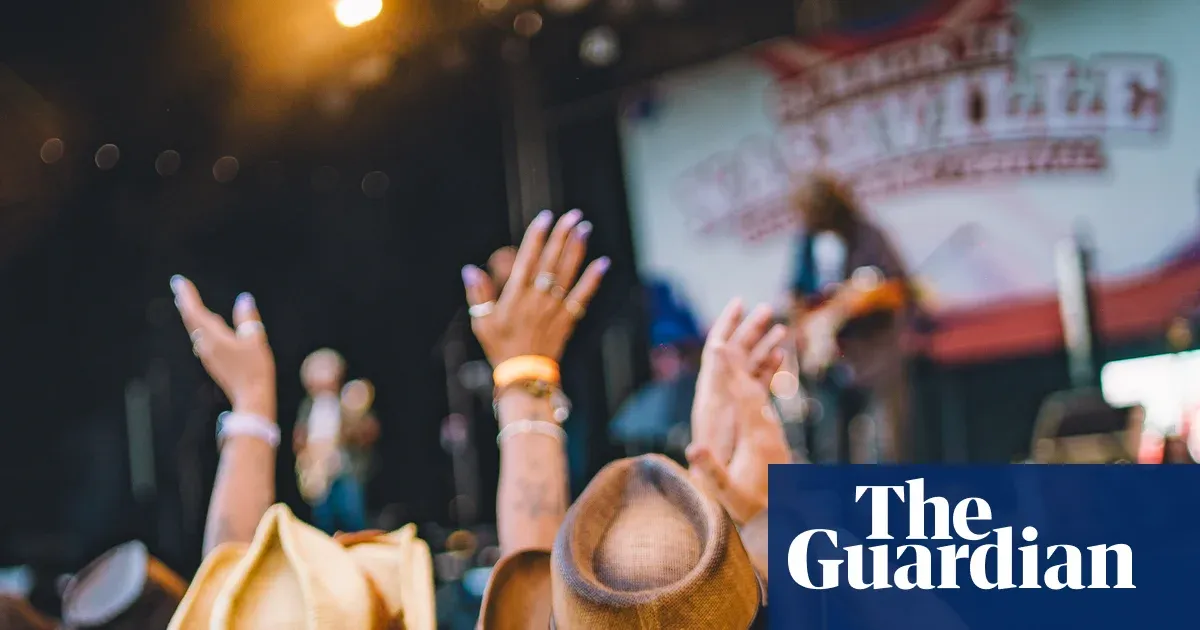
Anna-Sophie Mertens is building State Fayre, the UK’s newest country festival in Chelmsford, designed like the American South and set to open to 50,000 country devotees. For decision-makers, the headline numbers and CMA data point to a sustained shift in demand, not a one-off fad.
Country music is entering the UK in full costume, and this weekend it scales up fast. State Fayre, the UK’s newest country festival for country fans, will open in Chelmsford and is expected to welcome 50,000 country devotees. Anna-Sophie Mertens, visible in hi-vis from the festival build, says there is “a certain magic with country music in the UK right now.” The vibe is the point, too: it is styled like the American South, with clapboard, rusted metal, and water points disguised as retro gas stations.
This is not happening in a vacuum. The UK is seeing sustained genre momentum: country is the UK’s fastest-growing genre according to data from the Country Music Association (CMA), and it has been for three years in a row. That matters because festival operators and promoters do not just need one good week. They need repeat behavior from audiences, vendors, and artists, plus a reliable pipeline of ticket demand that can survive weather, scheduling, and the usual chaos of live events.
So what is driving the shift from curiosity to commitment? The piece frames a changing of the guard in UK listening tastes. Until 2023, UK audiences leaned toward legacy acts. Now, modern megastars are taking the wheel, with examples including Morgan Wallen and Luke Combs, plus Beyoncé in the Cowboy Carter-era. The strategic implication is straightforward: the UK market is not only “discovering country,” it is increasingly consuming current, culturally dominant artists who already bring strong touring ecosystems and media attention.
That touring ecosystem piece is important for anyone thinking about budgets, sponsorships, or distribution deals. The article notes that US artists are selling out tours, and festival attendance is soaring. Put those together and you get a second-order effect: when US demand is strong, US artists and their teams have leverage. That can raise the bar for international offers, including which UK and Irish dates get booked, what production standards travel with them, and how much marketing spend the audience needs to feel “native” to the experience.
State Fayre is basically a demand signal with infrastructure. The festival is built to be a themed environment that feels like an American South road trip, not just a venue hosting country music. Clapboard facades, rusted metal, and the disguised water points as retro gas stations are small details, but they are also operational cues. The experience design has to support crowd flow, hydration stations, and wayfinding while hitting the audience expectation of immersion. When a genre grows for three straight years, the bar rises. People stop accepting “country night” and start expecting a “full Southern experience,” which the article frames as the core question: are British and Irish audiences ready for it?
There is also a business model angle hiding under the aesthetics. Festivals do not only monetize tickets. They monetize concessions, merchandise, content, and brand partnerships. When a genre is fastest-growing and modern stars are leading, sponsors can justify spending because demographics become easier to target and conversion becomes easier to measure. For operators, that means the marketing plan, partner roster, and on-site product mix have to align with the crowd you are actually attracting, not the audience you used to have.
If you are an executive or board member in music, media, or consumer events, the lesson is that “genre momentum” can translate into operational urgency. Three consecutive years of fastest-growing status, plus US sellouts, is the kind of pattern that earns investor attention and forces planning decisions. It influences staffing, vendor contracts, inventory commitments, and long-lead production elements like stage builds and theming. It also pressures competitors to move quickly, because audience expectations travel. Once fans show up for a high-immersion festival in Chelmsford, they will compare future events against it.
The bigger strategic stake is what happens next if the growth continues. The article implies a move from older tastes to modern megastars, and from generic programming to themed, immersive delivery. For peers considering investment in festivals, ticketing partnerships, or genre-focused brands, the question is no longer “Will UK country grow?” The more useful question is “What experience level, artist roster, and operational sophistication will the next wave of fans treat as table stakes?” In other words: the frontier is not the music. It is the infrastructure around it.
This story's Key Insights and Take-aways are locked.
Create a free account to unlock Executive Actions for one credit.
Register to UnlockAlways free for Executives Club members. Join the Club
More in Entertainment
Blade Runner 2099 ties to Ridley and Denis, yet claims a standalone rebirth
Prime Video’s 2026 series anchors to the franchise while inviting new viewers into a “sunshine noir” world.

Matt Damon says Daniels pitched his new sci-fi as Breakfast Club meets Inception
The actor details the exact “Everything Everywhere All at Once” directors pitch for their next film and why it matters.

‘Blade Runner 2099’ drops its first Prime Video trailer at Comic-Con
Prime Video reveals the live-action sequel to Ridley Scott’s future-shock franchise, with big streaming and IP stakes.