
Steam Next Fest puts demos center stage, including a Virtual Boy-inspired shooter you can try now
Demos from the show floor go live, and one indie leans hard into Virtual Boy vibes. Here are the games to actually play.
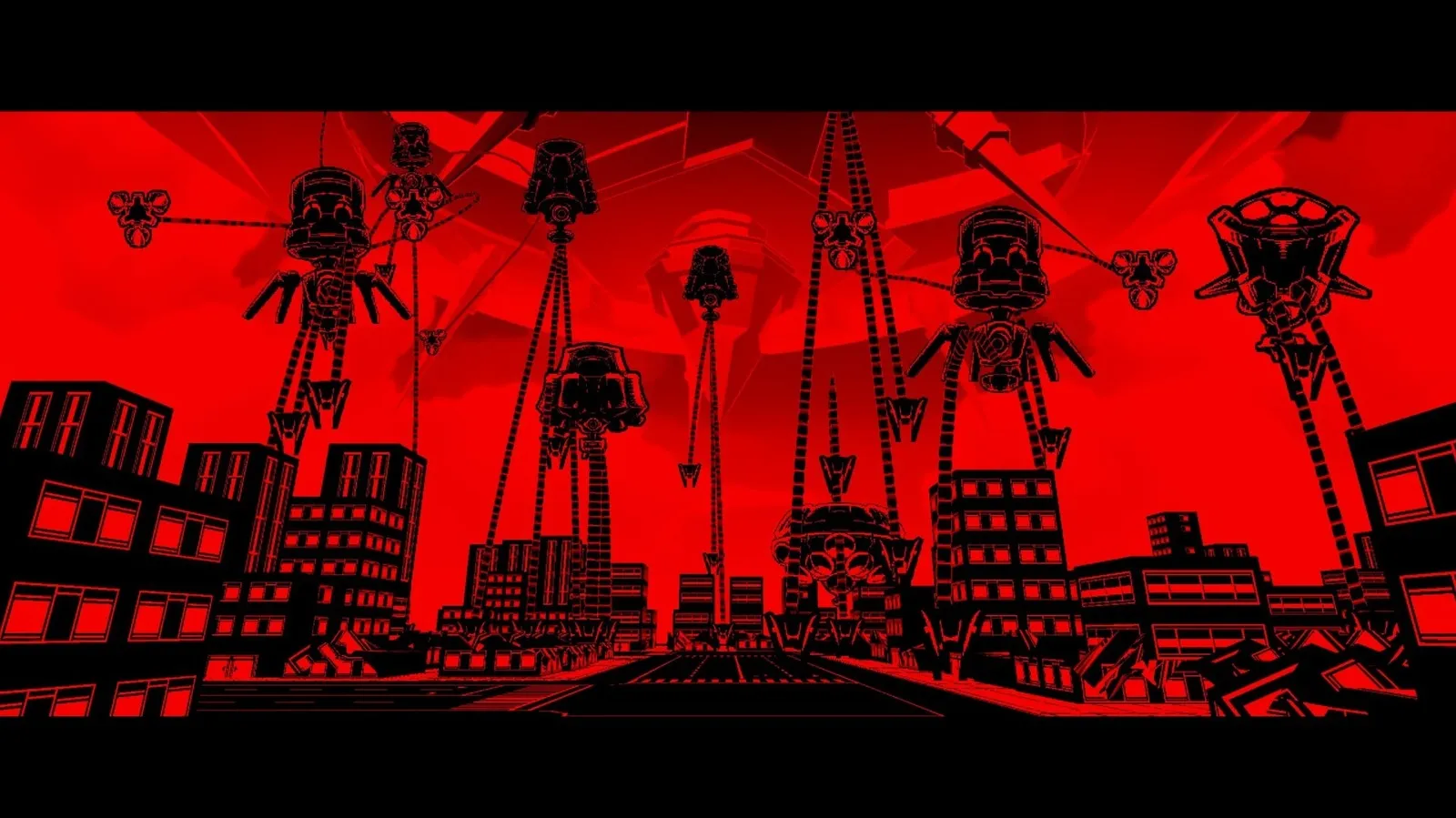
Engadget is spotlighting Steam Next Fest demos, including a Virtual Boy-inspired shooter and other indie games. For decision-makers, it signals how indies are using distribution events to capture attention with playable proof, not promises.
Steam Next Fest demos are now the main event, and Engadget is pointing players to a Virtual Boy-inspired shooter plus other indie games worth checking out. The key change is simple: instead of waiting for launches and reviews, you can download demos and evaluate these games with your hands. For anyone making portfolio bets or platform decisions in games, that shift matters because “interest” is turning into measurable trial.
Steam Next Fest is not just another promo banner. It is structured around demos, which means the audience can directly test gameplay, performance, and feel. Engadget’s mention of a Virtual Boy-inspired shooter is telling for a second reason: indies are still willing to mine niche history and translate it into something playable today. That is a risk, but it is also a way to stand out in a market where every storefront is crowded and every trailer looks like every other trailer.
Now, zoom out to the incentives underneath the demo format. Distribution channels like Steam have matured to the point where discovery is the bottleneck, not technology. Demos help relieve that bottleneck by lowering the risk for the player. If you can try it, you can decide faster. And if you can decide faster, you are more likely to convert attention into sales. That is why events like Steam Next Fest are so strategically valuable to studios. They give you a time-boxed window where your audience is already primed to browse for new games, not just to buy what is already known.
Engadget’s roundup approach also reflects a reality indie teams face: they cannot afford to rely on one hit to carry an entire season. A single demo can surface different signals across audiences. Some players care about art direction. Some care about controls. Some care about whether the game runs smoothly on their machine. Demos let indies collect those signals quickly because feedback arrives during the event period rather than months after a launch when the player base is less flexible.
The Virtual Boy-inspired angle is worth highlighting in business terms. Virtual Boy is historically associated with a very specific aesthetic, and leaning into that kind of reference creates both brand clarity and differentiation. In a typical release cycle, a “vibes” pitch can be too vague. But with a demo, the pitch becomes executable. Players can see whether the inspiration translates into modern responsiveness, readable visuals, and an overall loop that holds up beyond novelty. That is not just creative bravery. It is also operational discipline, because making a reference-driven concept fun in real-time is harder than making it look interesting in a screenshot.
In boardroom language, playable proof changes how executives evaluate pipeline health. When studios pitch next-gen, “quality” can be an argument. When the audience tries, quality becomes something closer to evidence. That matters for executives who allocate marketing budgets, negotiate publishing terms, or decide which games to back within a small time horizon. Steam Next Fest creates a structured moment where games can be stress-tested by real players, not just by internal playtesting.
There is also a secondary implication for platform and ecosystem governance, even if Engadget is not focused on regulation. Distribution marketplaces like Steam operate in an environment where consumer protection norms and platform policies shape how games are presented. While the source does not get into legal specifics, the direction of travel is clear across digital storefronts: transparency, consumer choice, and reduced friction are increasingly part of the product. Demos fit that logic neatly. They give buyers information before purchase, which tends to reduce buyer's remorse and support smoother conversion.
For peers, the strategic stake is competitiveness in discovery. If demos become the default way audiences “test before they buy,” studios that do not show something playable are at a disadvantage. That does not mean every studio can or should build demo content. It means the market signal is shifting toward games that can earn trust through direct interaction. Engadget’s selection of Steam Next Fest demos, including the Virtual Boy-inspired shooter, is a reminder that in 2026, the shortest path to attention is often not a bigger ad budget. It is giving people a reason to click and a way to experience the game in minutes.
So the real takeaway is operational: watch how indies use Steam Next Fest to compress the decision cycle from curiosity to conviction. When the next breakout title is still a demo, the competitive advantage belongs to teams that treat that demo window like a product launch, not like a marketing checkbox.
This story's Key Insights and Take-aways are locked.
Create a free account to unlock Executive Actions for one credit.
Register to UnlockAlways free for Executives Club members. Join the Club
More in Technology

Nvidia's $89B data center quarter: the 9 companies cashing in
The AI buildout is minting fortunes beyond GPUs, and memory, cloud, and cooling suppliers are riding the same wave.

Google quietly links your phone number to every Android account on your SIM
Adding a SIM now ties your phone number to all Google accounts - and future accounts inherit it. Here's the security and privacy stakes.

Hijacker AI 'Skynet mode' runs 100,000 attack steps against exposed models
Symantec caught a criminal AI agent that borrows other models, steals data, and mines crypto; the only relief is no confirmed victims yet.