
Stewart Copeland says he and Sting “get along just fine” despite a $870,000 gap
The Police royalty fight is in U.K. court, but Copeland frames the relationship as a business problem, not a breakup.
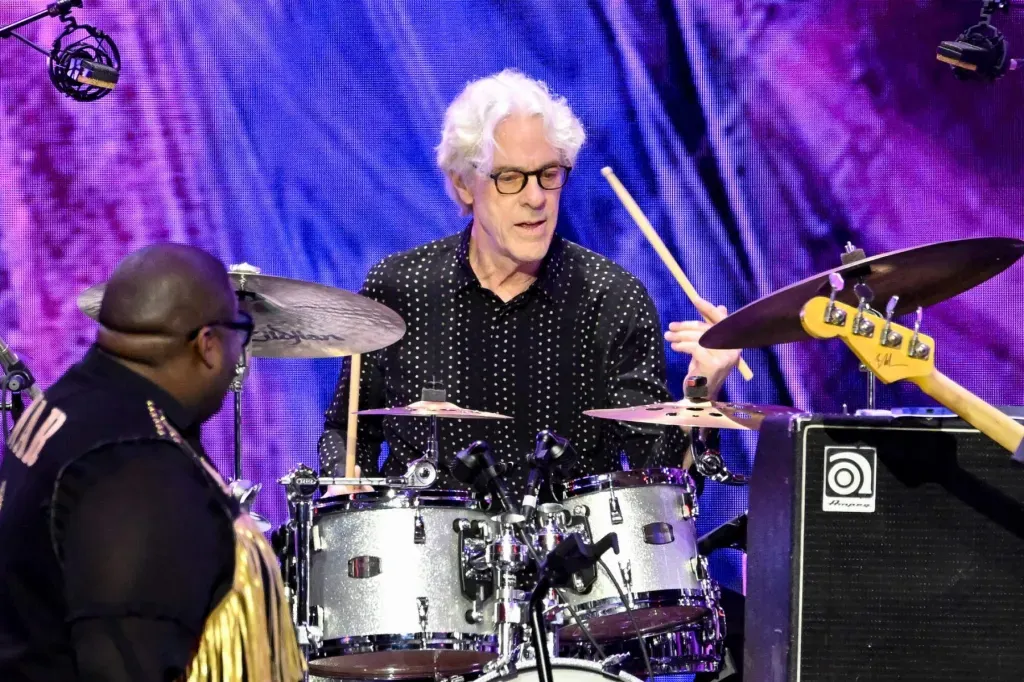
Stewart Copeland tells Billboard that he, Sting, and Andy Summers “get along just fine” as their U.K. royalty dispute over Police songwriting agreements continues in the High Court. For decision-makers, it’s a real-world reminder of how old contracts, modern bookkeeping, and enforcement mechanics can keep good relationships frozen.
Stewart Copeland insists he and Sting “get along just fine,” even though the Police royalty case still has a number hanging over it. Billboard reports that records indicate Sting has paid former bandmates $870,000, but Copeland and Summers are still seeking the rest of the $2 million claim they filed in England last year. Copeland’s framing is blunt and human: for him, the court process is something handled by “the bean counters” in London, while he keeps doing the work of being present, talking, and telling stories on his ongoing North America spoken-word tour.
The question for anyone watching from the business side is not whether people are friendly, but whether paperwork keeps overriding vibes. Copeland points out that he’s still in touch with Sting, jokingly mentioning conversations about “kids, Instagram memes, bullshit.” The subtext is that the personal relationship and the dispute have split roles. He tells Billboard, “For me it's, ‘Lemme know how it works out…’” And then he adds the quote that basically explains his whole philosophy: they get along “as long as we're not trying to make music together.” In other words, the band’s creative overlap created their best work, but the moment the two worlds collide again, incentives, credit, and claims get involved.
This dispute is rooted in a very specific incentive trap: songwriting agreements dating back to the Police’s formation in 1977. Copeland and Summers sued Sting in England, claiming they are owed $2 million in unpaid royalties under those band songwriting arrangements. Summers, in particular, has argued publicly that he should have received a songwriting credit for the Grammy Award-winning 1983 smash “Every Breath You Take.” Billboard notes that the case has moved through the U.K.'s High Court, with Sting having paid $870,000 so far, leaving Copeland and Summers still seeking the remaining amount.
Why does that matter beyond rock-and-roll drama? Because it is the same pattern executives recognize in modern IP and performance-based arrangements: historic deals, messy attribution, and enforcement timelines that outlive everyone’s original intent. The Police were together from 1977 to 1984 and released five studio albums, capped by 1983’s eight-times platinum Synchronicity, which was inducted into the Grammy Hall of Fame and the Library of Congress’ National Recording Registry. Then they reunited for three Amnesty International concerts in 1986, a 2003 Rock and Roll Hall of Fame induction, and a global reunion tour during 2007 to 2008, assisted by what Copeland described as “band therapy.” That long arc shows something important: even when the art is stable, the economics can stay unstable for decades.
Copeland also uses the band’s own history as a case study in governance. He recalls that during the reunion, “We had professionals come along and straighten us out; I guess their day job was probably, like marriage counseling.” After their sessions, “the business suits said, ‘Hey guys, let's put another six months on the tour!’ ‘Sure!’” The lesson is not that therapy fixes royalty calculations. It’s that teams can be coached back into collaboration when the emotional friction is the bottleneck, but when the bottleneck is a legal entitlement, the schedule and the relationship are subject to a different kind of clock.
Off the legal docket, Copeland is clearly not treating retirement like an off switch. Billboard says he considers himself “fully retired” from music in a commercial sense. He tells the outlet he does it “for kicks,” not to chase charts. If he makes a record, he says it will probably cost him money. He is also expanding his “Police Deranged for Orchestra” tour repertoire beyond just Police songs. At the same time, he has a new documentary, Copeland, premiering June 19 at the Raindance Film Festival in London. He’s also writing another opera “under wraps until it will be revealed to the world,” plus his multimedia show “Have I Said Too Much? The Police, Hollywood and Other Adventures,” which has been running since last year in the United Kingdom and continues through a packed North American schedule into early August, with another leg in October and November.
If you zoom out, the second-order implication for executives is that these disputes can coexist with normal operations, as long as roles are clearly separated. Copeland’s approach is essentially operational discipline: keep the relationship warm enough to function, keep the work moving, and let legal administration handle the claims. Meanwhile, the brand value of the Police catalog is doing what catalog value always does, it multiplies attention and increases the stakes of attribution. When the underlying question involves credits and royalties, you can expect the “bean counters” to keep moving even when the band itself says, publicly and sincerely, it gets along.
This story's Key Insights and Take-aways are locked.
Create a free account to unlock Executive Actions for one credit.
Register to UnlockAlways free for Executives Club members. Join the Club
More in Entertainment

Starfleet Academy names newcomer Ruaridh Aldington a Season 2 series regular
At San Diego Comic-Con's Star Trek 60th anniversary panel, Aldington joins as Keats, a high-stakes mystery for the cadets.
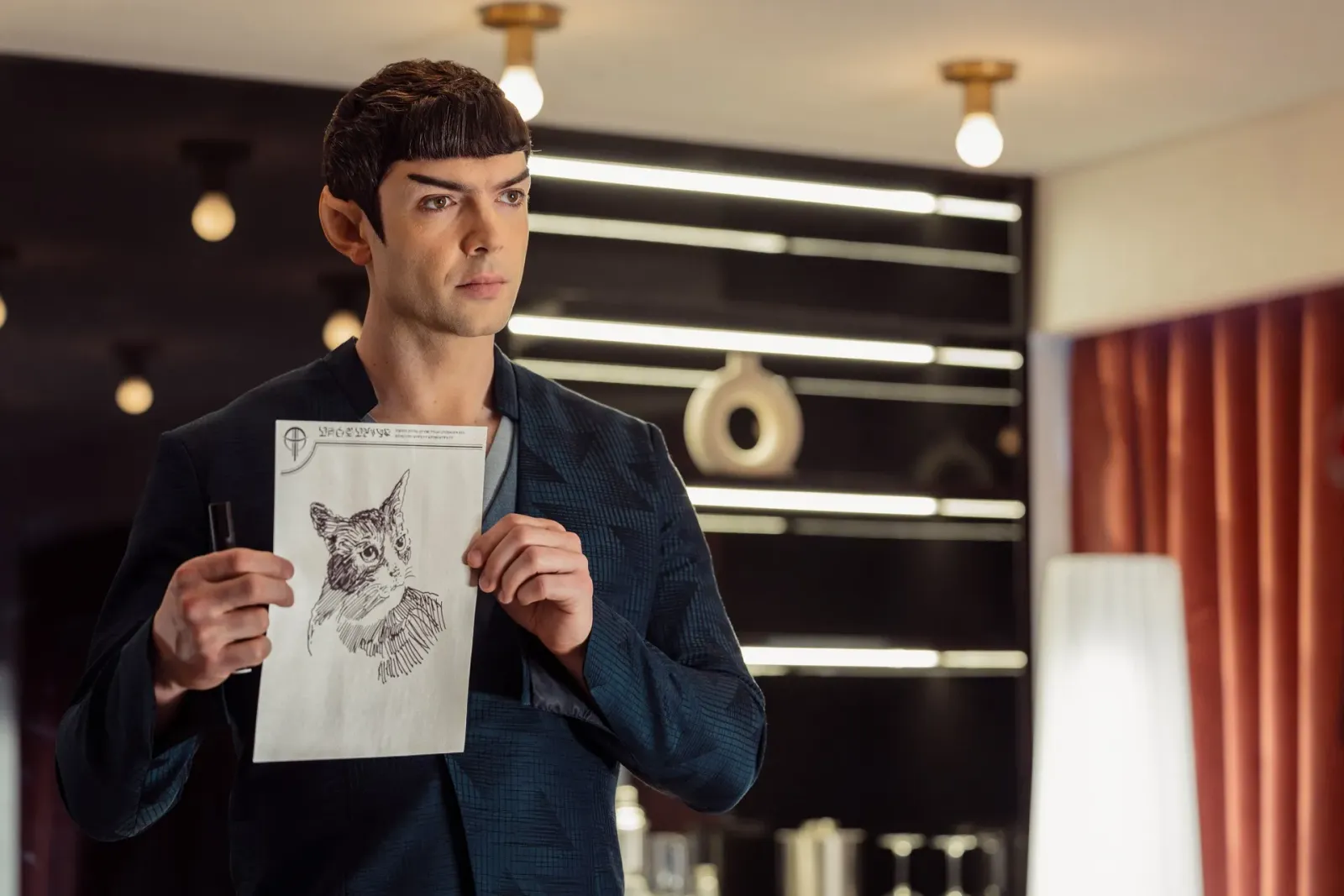
Akiva Goldsman drops Strange New Worlds Season 4 timing: weekly until Sept. 24
Star Trek’s co-showrunner uses Comic-Con to lock in the release calendar for Paramount+ Season 4.
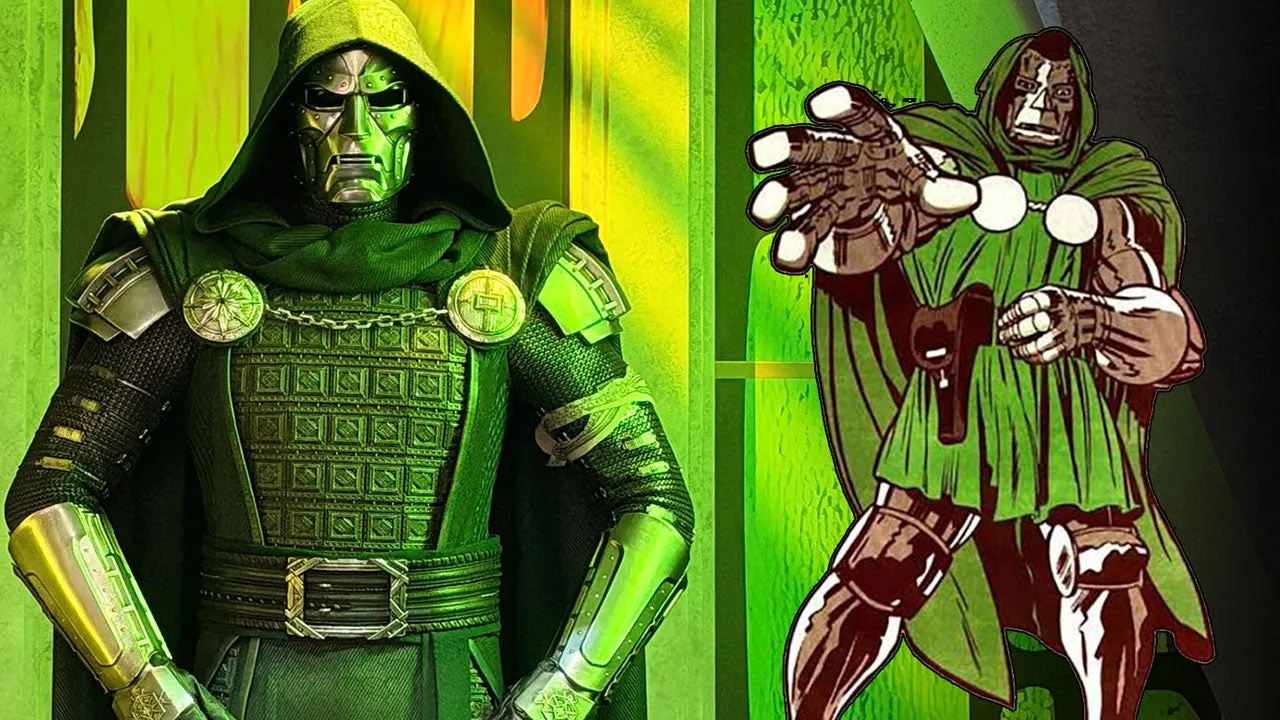
Marvel’s Avengers: Doomsday Doom armor stays faithful to comics, but adds samurai-style upgrades
A fresh look at Robert Downey Jr. as Victor von Doom at Comic-Con shows what Marvel kept, changed, and why it matters.