
Stuart Saves The Universe takes Big Bang spin-offs somewhere fans haven’t seen yet
The next installment breaks the franchise pattern, turning the familiar nerd world into a brand-new comedic experiment.
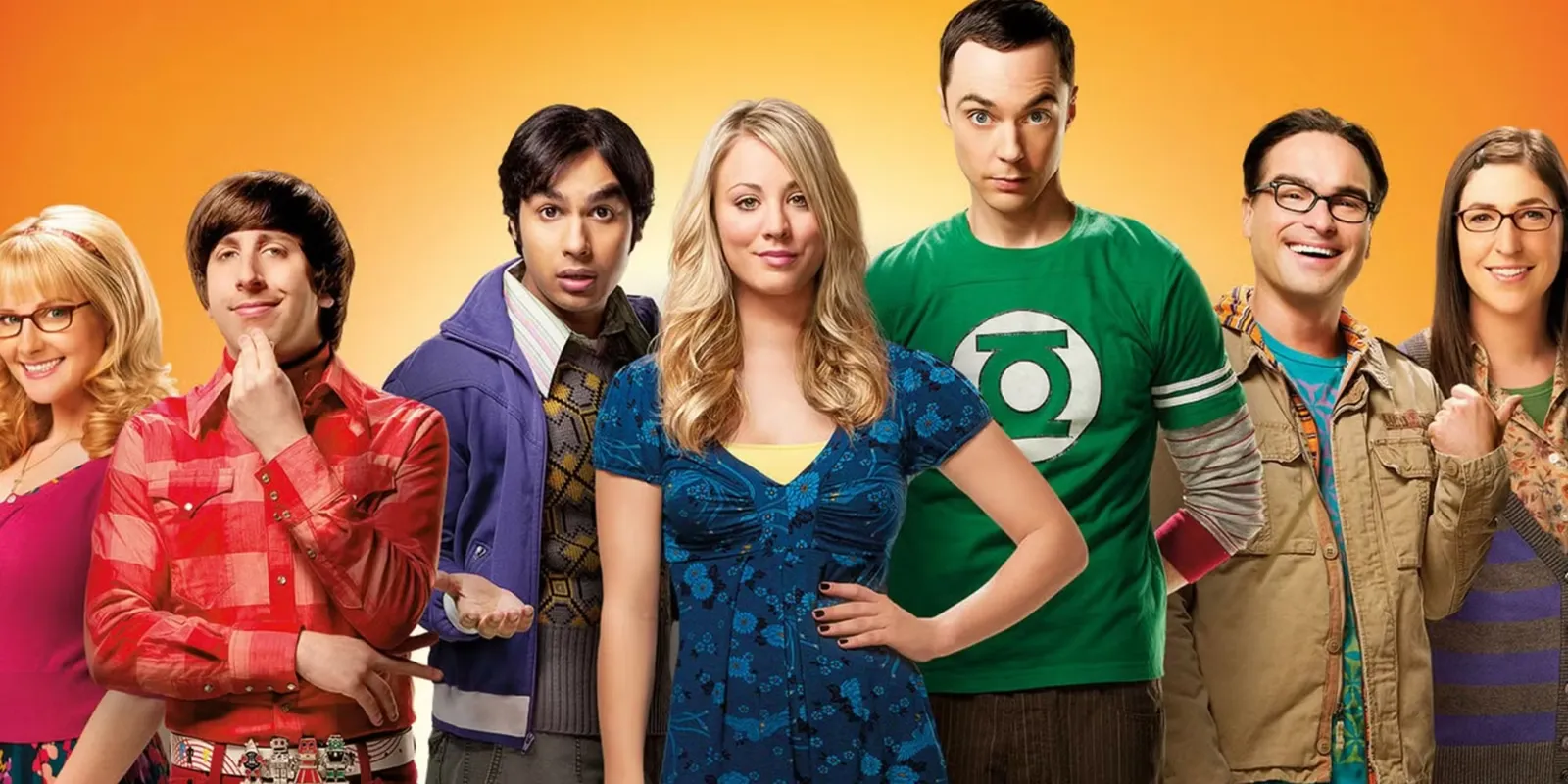
Collider reports that Stuart Saves The Universe is the next Big Bang Theory spin-off and will “radically shake up” what fans expect. For decision-makers and content strategists, the move signals how franchises protect value by re-tooling premise, not just characters.
The Big Bang Theory is still one of TV’s biggest success stories, and now the franchise is preparing to do something it hasn’t done in quite this way. The next spinoff, Stuart Saves The Universe, is about to push the series in a “truly new direction,” according to Collider. That matters because this franchise is not just popular. It is a full-on television machine, built on multiple spin-offs that have extended the brand’s shelf life and expanded its audience.
Here’s the important part: Stuart Saves The Universe is explicitly positioned as a radical shift from what fans have come to expect from The Big Bang Theory universe. That is the stake. If you are a studio executive, an investor, or a creative leader inside a media company, you know the risk. Spin-offs can feel like comfort food until they become derivative. Collider’s framing suggests this one is aiming to avoid that trap by changing the premise, not just swapping in another character.
To see why this is a big deal, zoom out to what already happened. The Big Bang Theory ran on CBS and delivered incredible ratings, along with winning seven Emmys during its original run. It then became a major television franchise through three spinoff series. First came Young Sheldon, which focused on the childhood of Sheldon Cooper, played by Jim Parsons. That series’s success then spawned its own spinoff, Georgie & Mandy’s First Marriage.
Now we are at the next stage of the franchise’s evolution. Collider points to the upcoming Stuart Saves The Universe and highlights its “unique premise” as the reason it will feel different. The wording is doing work here. “Unique premise” implies the writers are not just extending the same comedic engine with different faces. They are attempting a shift that could alter how the show earns laughs, builds plots, and keeps viewers returning.
Why does this “premise-first” approach matter in the real world? Franchises live and die on recognizable value, but recognizable value can turn into a rut. From an operator’s perspective, the smart move is not necessarily to abandon the brand identity. It is to recalibrate it. A new premise can refresh the creative constraints, giving the show a different narrative rhythm while still sitting inside a familiar world. That kind of recalibration often protects the intellectual property while reducing the chance that audiences stop caring because nothing feels new.
There is also an audience economics angle. When a franchise has already proven it can spin out multiple shows, the organization’s incentives change. The next project is not just trying to be good. It has to defend the franchise’s long-term momentum. Young Sheldon’s success was a catalyst for Georgie & Mandy’s First Marriage, and now Stuart Saves The Universe is being pitched as the next lever to pull. When studios see that pipeline work, they typically want to keep the system running. But they also need to ensure each installment earns its own reason to exist, not just inherit the name.
The second-order implication for boards and investors is straightforward: slate risk management. In entertainment, a brand can be a risk reducer and a risk amplifier at the same time. It reduces risk when the audience clearly trusts the universe. It amplifies risk when the brand becomes a requirement instead of a guarantee. Collider’s emphasis that Stuart Saves The Universe will “radically shake up” expectations suggests the franchise is trying to stay ahead of that problem by making each next show feel like it has its own identity.
Finally, there is a strategic stake that extends beyond CBS-era sitcoms. Media companies that are building multi-show ecosystems should watch how The Big Bang Theory franchise is evolving. The path goes from the original series, to a youth-focused spin-off with a breakout character, to a marriage story spin-off, and now to a new premise centered on Stuart. Even without additional plot details in the source, the signal is clear: the franchise believes it can keep growing by experimenting with how the stories are framed. If it works, other studios will have a roadmap. If it doesn’t, it becomes a cautionary tale about how hard it is to refresh a beloved brand without breaking the audience’s trust.
This story's Key Insights and Take-aways are locked.
Create a free account to unlock Executive Actions for one credit.
Register to UnlockAlways free for Executives Club members. Join the Club
More in Entertainment

The Deb’s Charlotte MacInnes appeals dismissal of defamation case against Rebel Wilson
MacInnes says Wilson presented false evidence and dishonest statements in the initial trial, and she wants the fight reheated.

Bethesda says TES6 roadmap is unaffected after 3,200 Xbox layoffs threaten dev teams
The studio also confirmed Oblivion Remastered is still alive, and it blamed fan demands for a new comms push.
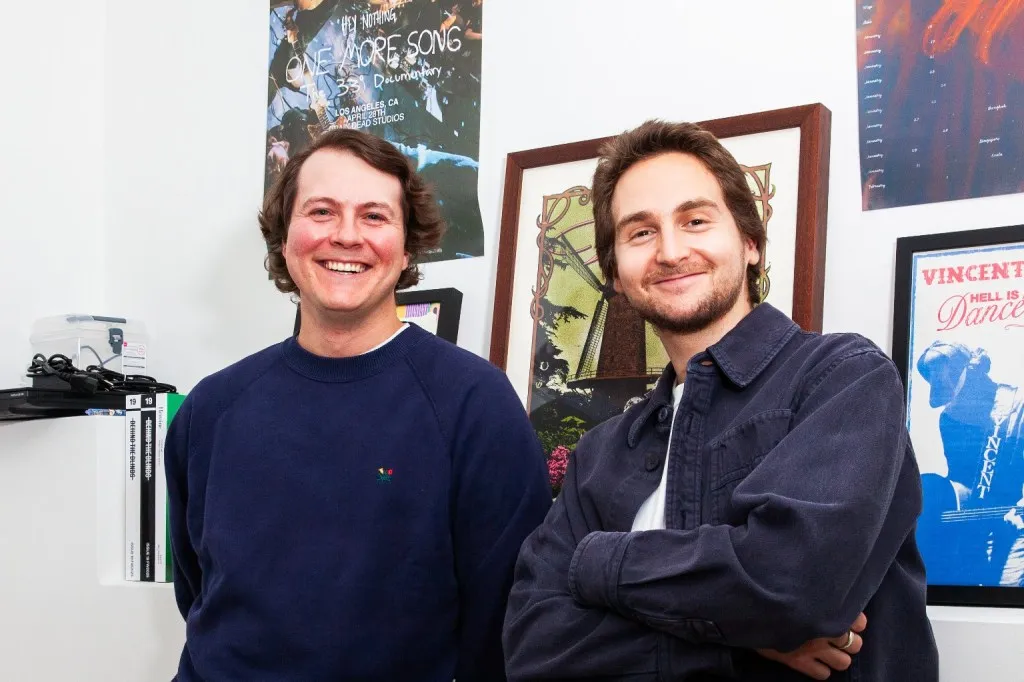
Music Soup founders Sean Lewow and Max Motley built a label with Darkroom and Interscope
A new-school joint venture signs artists early, then leans on partners for PR and distribution, not scale.