
Supernatural confirms two solo spinoffs: Dean Winchester and Sam Winchester this fall
Instead of one big sequel, the franchise splits into two series releases, starting with Dean and Sam this fall.
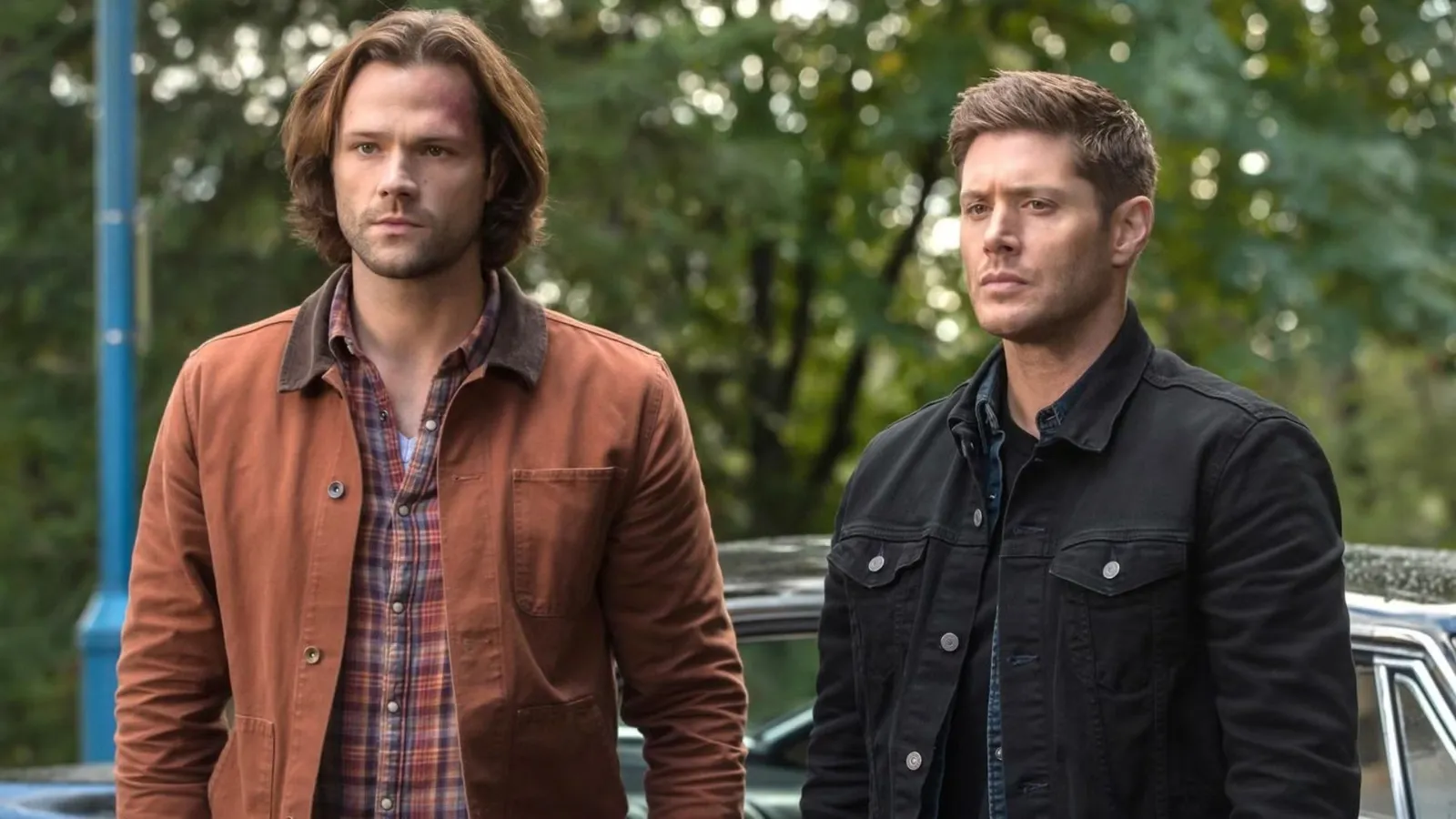
Supernatural has officially announced two separate spinoff series, Supernatural: Dean Winchester and Supernatural: Sam Winchester. The release plan for this fall has major implications for how studios structure franchise storytelling, audience retention, and viewing schedules.
Supernatural is bringing Dean and Sam Winchester back this fall, but it is doing it the hard way: not with one single series, but with two separate spinoffs. According to the announcement, the franchise is treating the overall story as too big to fit into one show. So instead of forcing everything into a single narrative lane, it is splitting the spotlight, with Supernatural: Dean Winchester and Supernatural: Sam Winchester each getting their own solo series.
That is the core development, and it matters because it changes how viewers will consume the franchise. Fans are no longer tracking one release pipeline and one set of characters. They are tracking two. The announcement explicitly positions the move as necessary, because the story is described as so large it “can't be told in a single series.” That means the fall schedule is not just a content update. It is a structural choice: tell two versions of the franchise experience at once, each anchored by one brother.
For decision-makers, this is a classic entertainment-industry tradeoff dressed up as fan service. A single series consolidates marketing and production complexity, which can be easier to forecast. But it also concentrates risk. If the show underperforms, the whole plan takes the hit. Two spinoffs distribute that risk across multiple branded entries. Even if one series stumbles, the franchise can still hold attention with the other. The downside is obvious too: two launches mean two audience targets, two programming strategies, and a greater chance that one show cannibalizes discussion that might otherwise cluster around the other.
There is also a smart incentives layer here. Supernatural is a franchise with established character equity. Dean Winchester and Sam Winchester are not abstract concepts to audiences. They are the emotional handles fans already know how to grip. Spinning each brother into a dedicated series is a way to convert existing loyalty into renewed viewership, without requiring the audience to learn a completely new cast or world. In other words, the announcement is effectively saying: we can keep the “why” stable (these brothers, this universe), while changing the “how” (two solo series instead of one).
From a market context perspective, fall is when TV attention gets scarce and schedules get crowded. That is the season where promotional dollars fight for the same household minutes. When a franchise commits to releasing two related shows, it has to manage timing, messaging, and expectations so fans do not feel like they are being forced to choose. The announcement also signals that the studio believes it can support sustained interest across both releases. If it only expected a brief spike, the incentive would likely lean toward fewer moving parts.
If you zoom out even further, this is also an example of how franchises increasingly treat “story” like an expandable asset. The announcement frames the reason for the split as narrative scale. But that narrative scale has business implications: longer shelf life, more opportunities for spinoff-friendly arcs, and a structure that can be extended if demand stays strong. When a series is successful, it tends to spawn follow-ups. When the follow-ups are planned early and announced clearly, the audience can internalize the roadmap. That is what helps make the fall release feel like a continuity event, not a one-off.
Second-order effects show up in how boards and executives think about performance metrics. With two series, you end up with more data points: separate audience response, separate engagement signals, and potentially different production costs tied to different creative decisions. That can make internal reporting more detailed, but it also increases the need for alignment. The franchise has to ensure both spinoffs stay “in universe” enough to feel connected, while still distinct enough to justify the separate marketing pushes. The announcement’s framing, again, is the key: it suggests the franchise is not just adding content, it is reorganizing how the story gets told.
Bottom line: Supernatural has officially announced two solo spinoff series, Supernatural: Dean Winchester and Supernatural: Sam Winchester, set for this fall. The franchise is explicitly treating the overall story as too big for one series, which is why it is splitting the brothers into separate shows. For anyone tracking media strategy, this is the kind of decision that ripples across release planning, audience retention, and how studios convert fandom into predictable programming.
This story's Key Insights and Take-aways are locked.
Create a free account to unlock Executive Actions for one credit.
Register to UnlockAlways free for Executives Club members. Join the Club
More in Entertainment
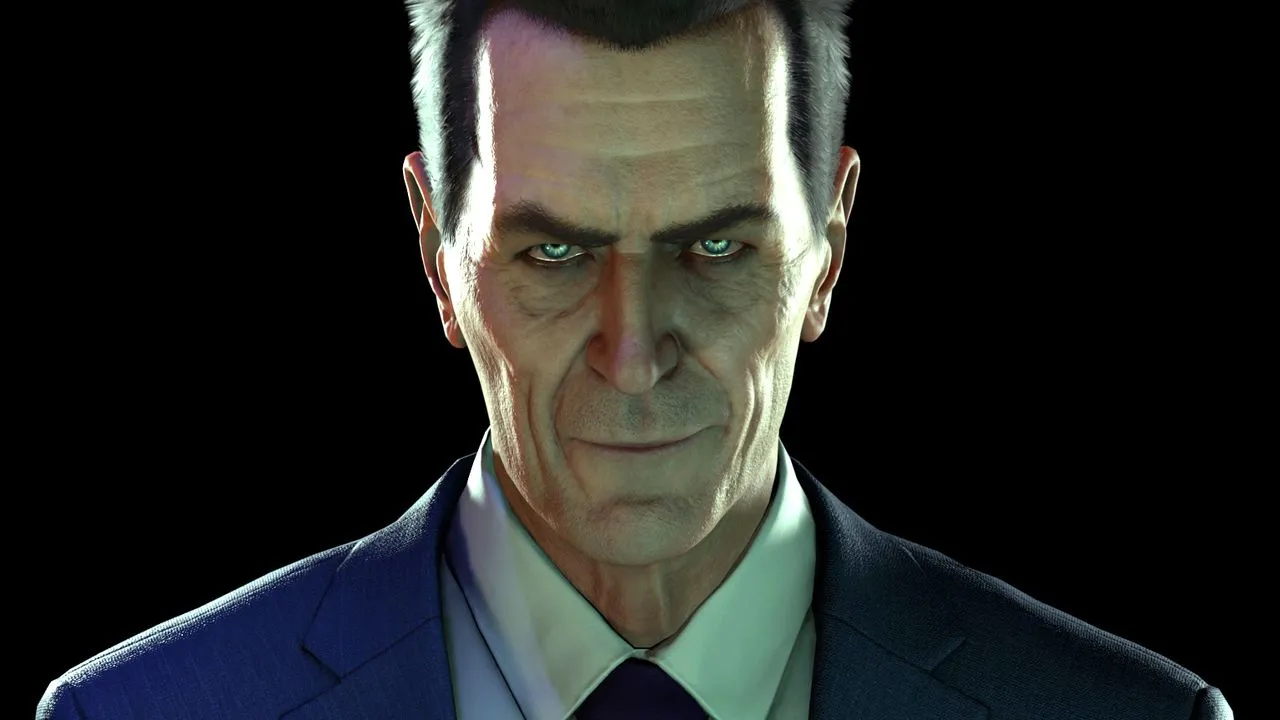
12TB Steam 'teraleak' goes beyond Valve: GTA 3, Mafia 2 prototypes exposed
A 12-terabyte dump of Steam data reveals prototypes and builds of third-party classics like GTA 3 and Mafia 2, plus unreleased Valve content, rewriting game history.

LinkedIn's romance problem: 1 in 4 workers say dating on it is fair game
A new survey shows a quarter of U.S. employees treat the professional network as fair game for romance, even as LinkedIn bans it and removes hundreds of thousands of offending posts.

Enhypen's first No. 1 album breaks K-pop's Billboard 200 streak
The K-pop group's 98,000-unit debut tops the chart while Dolly Parton's catalog reentry shows how death reshapes streaming.