

Supreme Court gives Trump room to end TPS for hundreds of thousands, NPR reports
A ruling loosens the administration's ability to strip Temporary Protected Status from people in the last remaining countries.

NPR reports that a Supreme Court ruling gives the Trump administration space to strip Temporary Protected Status from hundreds of thousands of people. For decision-makers, it raises the probability of rapid displacement and the operational, legal, and reputational risks that follow.
A Supreme Court ruling may effectively be the opening the Trump administration needs to strip Temporary Protected Status from hundreds of thousands of people in the remaining TPS countries, NPR reports. In plain terms: a status created to offer protection when home countries are unsafe or unstable could be narrowed in practice, quickly and at scale.
Why this matters right now is simple. TPS is not just a label on paper. It affects whether people can work legally, stay in the community, and plan for school, housing, and finances. If the program is “effectively over” for large groups, the policy shift can ripple through employers, local governments, and the courts because the people most exposed to losing status are the ones with the fewest buffers.
To understand how a Supreme Court decision can move so fast, you have to know what TPS is supposed to do. Temporary Protected Status is a framework that offers protection to certain groups from designated countries. Historically, these designations have been tied to conditions in the home country and to the government’s decisions about whether those conditions still justify protection. When the Supreme Court hands the executive branch more latitude, it can change the timing and reach of removals or terminations, even when the policy has been politically and administratively contested for years.
NPR’s report is direct about the consequence: the ruling gives the Trump administration space to strip TPS from “hundreds of thousands of more people” from the “few remaining countries with this program.” That phrasing is doing a lot of work. It suggests this is not a theoretical future change. It is an acceleration of an already narrowing program, with more people likely facing loss of status, not just changes in paperwork.
For executives and boards, the second-order effects are where the real risk tends to show up. When a government program that stabilizes legal presence and work authorization is threatened, businesses often experience workforce shocks. Even when companies are not directly “making immigration policy,” they can still get pulled into the fallout through payroll, staffing continuity, compliance costs, and urgent HR escalations. The practical impact is that teams may lose employees with little notice, while legal teams and HR departments scramble to confirm what documentation will be needed and what obligations employers have during transitions.
There are also regulatory dynamics to consider. TPS sits at the intersection of immigration authority and due process. Supreme Court decisions can shift how much discretion an administration has, and that changes the compliance planning horizon for organizations. If the legal interpretation expands executive power, the risk is that policy implementation becomes less predictable. That makes it harder for organizations to plan in advance, because the key variable is no longer only bureaucratic processing timelines. It is whether the administration can reduce protections more broadly, more quickly.
Community and local stakeholders face a similar knot of incentives. Employers may try to retain workers, but they also must operate within the law as status changes. Institutions like schools and nonprofits may see sudden increases in demand for legal aid, emergency financial assistance, and case management. Courts can see more filings tied to status and removals, which can create a backlog that affects timelines across the system. Even if a final outcome is contested, the period of uncertainty can still produce immediate operational damage.
The strategic stakes extend beyond any single company. For peers in HR, compliance, legal operations, and government affairs, the question becomes: how do you build resilience when a Supreme Court ruling increases executive flexibility? How do you manage workforce planning, contract terms, and risk disclosure when the policy environment can change faster than onboarding cycles? NPR’s framing that TPS “may effectively be over” is a warning flare: decisions that affect legal status at scale can force organizations to respond, not just observe.
In a world where corporate risk calendars often assume regulatory change is incremental, a Supreme Court ruling can rewrite the slope overnight. The executive takeaway is not to predict every procedural step. It is to recognize that “hundreds of thousands” of potential status changes create real downstream pressure on labor markets, compliance systems, and institutional capacity. If TPS is being narrowed from the “few remaining countries,” then the operational question for leaders is how to prepare for rapid shifts with legal uncertainty still in play.
This story's Key Insights and Take-aways are locked.
Create a free account to unlock Executive Actions for one credit.
Register to UnlockAlways free for Executives Club members. Join the Club
More in Politics

Kemi Badenoch says Andy Burnham’s Britain ambitions are “too small” after business rates cut
A business rates change for pubs and clubs triggers a sharper Conservative-versus-Labour fight over who is backing growth.

Trump pushes tariffs again after legal defeats, sparking GOP unease
Despite losing court fights, the administration moves forward, leaving Republicans to manage the political and market fallout.
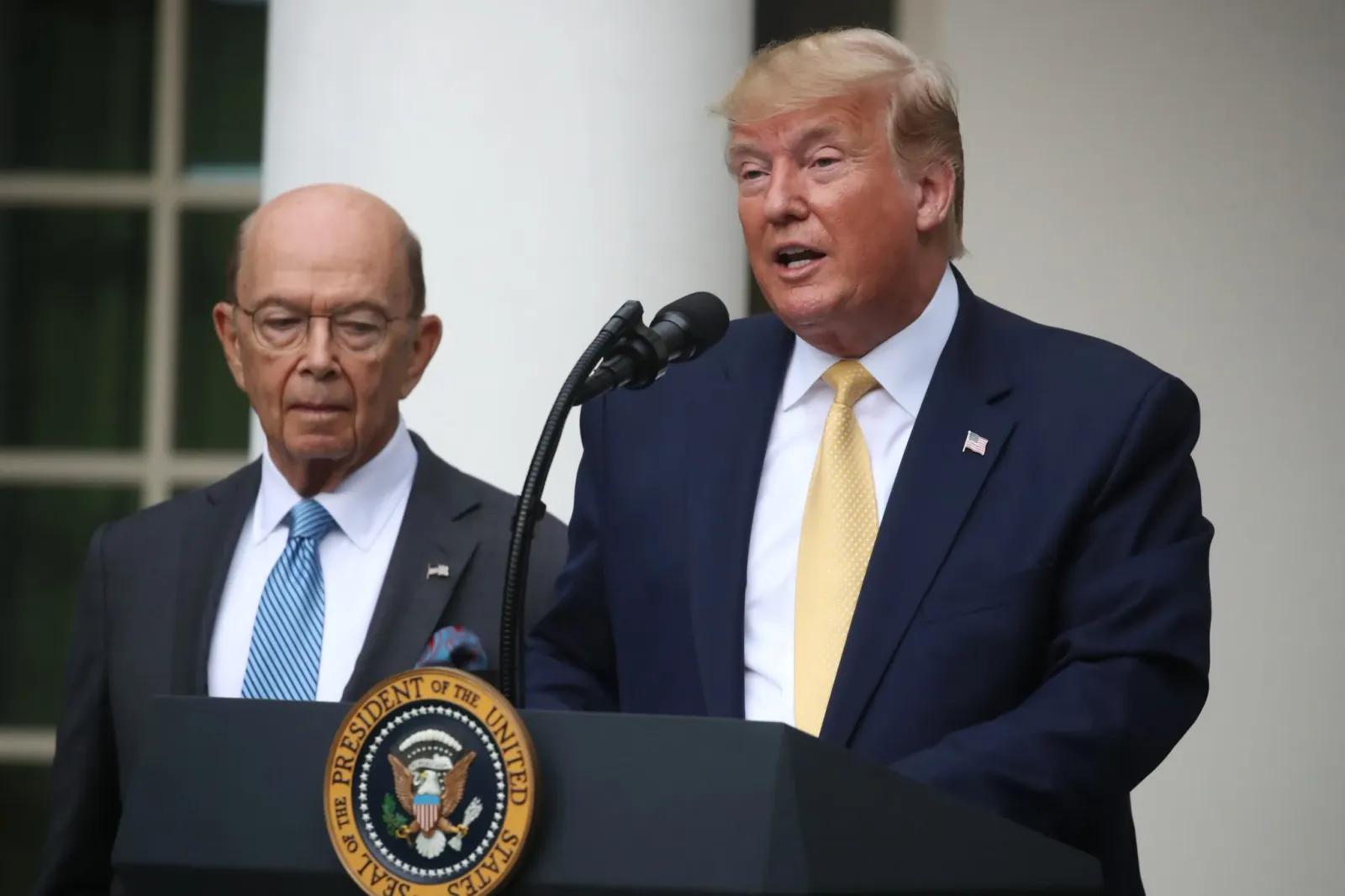
Wilbur Ross warns Trump’s Iran exit is a midterms lose-lose: oil prices or “weak” withdrawal
The former commerce secretary tells Fortune the Strait of Hormuz is where voters decide whether “peace” is believable.