
Swatch’s Mission to the Moon 1969 MoonSwatch uses Omega’s 18K Moonshine Gold, by lottery
A limited MoonSwatch drops with Omega-grade material, but the only way in is a lottery.
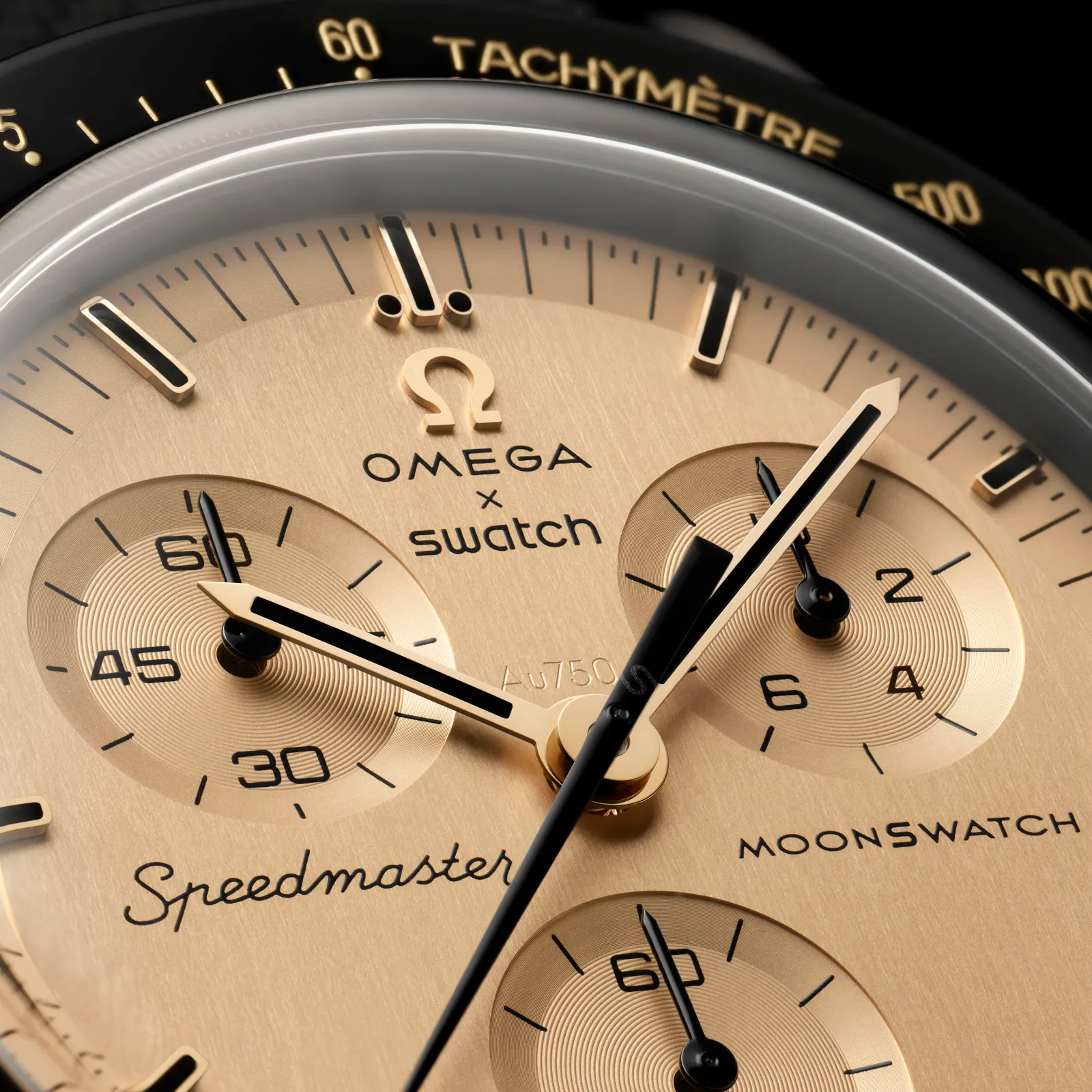
Swatch’s new MoonSwatch, the Mission to the Moon 1969, is a limited-edition model. It features components crafted from Omega’s 18K Moonshine Gold, and Swatch says you have to join a lottery to get one.
Swatch’s latest MoonSwatch is the Mission to the Moon 1969, and it comes with a very specific kind of flex: components crafted from Omega’s 18K Moonshine Gold. The catch is baked in. To get one, you have to join a lottery.
That “lottery or nothing” detail matters because it changes the product from a normal retail drop into something closer to access-driven allocation. For executives watching luxury brands, it is a reminder that scarcity is no longer just a design strategy, it is an operating model. Swatch is using a constrained supply signal plus a controlled entry mechanism to manage demand for a highly coveted item.
Zoom out a little and the MoonSwatch play starts to look less like a simple collaboration and more like a carefully engineered market moment. MoonSwatch sits in the sweet spot between mainstream consumer curiosity and the prestige aura of high-end watchmaking. The use of Omega’s 18K Moonshine Gold, even as components rather than the whole watch, gives the drop a credible “premium materials” story. That credibility is important because it cuts through the usual skepticism that comes with limited-edition hype. When customers can trace the material lineage to an established brand like Omega, the narrative gets sturdier.
And lotteries are not random chaos. They are demand management. In markets where product interest spikes faster than inventory can move, a lottery gives the brand a way to reduce the friction of constant purchasing attempts, resales that punish true enthusiasts, and the reputational damage that comes from favoritism. You can also frame it as a fairness mechanism. When lots of people want the same limited object at the same time, the question becomes who gets the chance, not whether the brand can sell out instantly.
There is also a regulatory and governance subtext executives should notice, even when the story seems purely consumer-facing. Allocation mechanisms can raise policy questions around consumer protection, transparency, and how access is communicated. The source does not include those details, but the fact that Swatch is explicitly routing demand through a lottery signals that the brand is willing to formalize access. In other sectors, formal allocation systems often become a flashpoint if customers feel misled about odds, eligibility, or timelines. The strategic upside is that a lottery can be structured to feel legitimate if the brand is consistent and clear.
Now consider the second-order implications for peers. If Swatch can tie a high-demand drop to a premium-material credential from Omega and pair it with lottery access, it sets a benchmark for how luxury-adjacent brands may compete: not just on aesthetics, but on procurement narrative and controlled distribution. Boards looking at brand momentum should ask a simple question: are we building desire through product and design, or through scarcity mechanics and brand architecture? Swatch’s MoonSwatch suggests the answer can be both.
There is one more layer here: MoonSwatch already lives in a world where customers treat limited releases like events, not purchases. When the “event” includes a lottery, it extends engagement beyond the on-sale moment. People who might have been passive now become participants. That creates a longer tail of brand attention, which can matter as much as initial sell-through. For executives, that is the play: convert one-time demand into repeat interaction with the brand ecosystem, while keeping control of the supply story.
Strategic stakes are real. A lottery does not just distribute watches; it communicates how seriously the brand takes the premium positioning. For other companies in watchmaking, jewelry, sneakers, and any category where hype can outrun inventory, the Mission to the Moon 1969 is a tight case study in demand engineering. If you are an operator or board member, the key takeaway is that access is a product feature. Swatch is making the path to the watch part of the value proposition, and it is doing it with Omega-grade materials as the credibility anchor.
This story's Key Insights and Take-aways are locked.
Create a free account to unlock Executive Actions for one credit.
Register to UnlockAlways free for Executives Club members. Join the Club
More in Technology

Google quietly links your phone number to every Android account on your SIM
Adding a SIM now ties your phone number to all Google accounts - and future accounts inherit it. Here's the security and privacy stakes.

Hijacker AI 'Skynet mode' runs 100,000 attack steps against exposed models
Symantec caught a criminal AI agent that borrows other models, steals data, and mines crypto; the only relief is no confirmed victims yet.

Nvidia's AI-financier shift faces its first big test as neoclouds stumble
A rout in neocloud stocks is forcing investors to weigh Nvidia's hidden exposure as both supplier and lender to the AI buildout.