

Takashi Iizuka backs a four-player Sonic co-op puzzle game, and it actually works
IGN preview details how Sonic Team merged Sonic moves with Pico Park teamwork, adapting levels for 1 to 8 players.

Takashi Iizuka of Sonic Team and Shintaro Shimazu of Tecopark discussed how Sonic Pico Park came together after a pitch to Sega. The co-op 2D puzzle-platformer uses classic Sonic mechanics and scales for different session sizes, aiming for a real Sonic feel.
Takashi Iizuka said the key reason Sonic Pico Park exists in the first place: Sonic didn’t have a game with four people playing in this exact style. He positioned the experiment as a chance for Sonic fans to “yell and scream and get together in the same room,” then backed it with the kind of dev discipline that turns a licensing idea into a playable product.
In the IGN preview, that promise lands fast. The co-op puzzle-platformer is built around communication and timing between players, and the Sonic license is not just a skin. During a demo run at Summer Game Fest, the previewer played eight levels and cleared them with three strangers in a roughly 20-minute session, using teamwork to solve obstacles that get harder as the puzzle logic tightens. The first takeaway for decision-makers: this is not a tech demo wearing Sonic clothes. It is a real mechanics merger, with Sonic-inspired movement rules shaping how you cooperate.
So what is Pico Park, and why does the Sonic part matter? Pico Park games create “a joyous bond through the low-stakes consequences” while still demanding smart coordination. The core loop is straightforward but not easy: you and your teammates must coordinate to cross increasingly tough sections in a 2D side-scroller format. Think timing coordinated dashes to get past falling platforms, or stacking and positioning characters to hit high switches that open paths. The preview makes the online implication explicit. Microphones are not assumed. Instead, the game relies on visible character gestures and in-action cues, which matters if the audience includes casual co-op players who are not willing to talk.
Then Sonic shows up as more than branding. The preview says Sonic Pico Park “thoughtfully incorporates mechanics we’ve seen in Sonic games over the years,” and it lists specific examples tied to the puzzle design. Spin-dash momentum helps players climb quarter-pipes and cross ledges. Springs launch characters “violently around the screen,” turning movement into a solvable physics problem. Rings let you take a hit without restarting, which can be used strategically rather than simply treated as a fail state. It is a simple concept with teeth: puzzle design gets fun when the movement system creates both options and consequences, and Sonic’s established kit provides that.
Character abilities also change the solution space. The preview calls out Tails as an example. Tails can fly and carry one teammate, but the ability is constrained to the level window you initiate his tailspin. That constraint matters because it forces planning. It also nudges co-op dynamics toward role-based teamwork, not just “everyone do the same jump at the same time.” And the preview hints at a friction point executives should note: the solution-iteration loop can be frustrating, including collision physics between teammates, but the presentation helps smooth the rough edges with a “colorful” look and a “cute soundtrack.” In licensing terms, that is important. A merger fails when the franchise tone battles the base game’s identity. Here, the game apparently keeps Pico Park’s teamwork-first vibe while making Sonic mechanics feel native.
One of the most operationally interesting details is how the game adapts to player count. The preview notes that while “each level’s format stays the same,” the game adjusts based on how many players are in the session. Certain ledges won’t be as high, and paths can change to accommodate different team sizes, from just you and a friend up to “eight players chaotically bouncing across the screen.” The previewer’s demo matters because they played with four total players plus a larger shared-sense expectation. In their roughly 20-minute session, they cleared all eight levels available in the demo, which suggests the scaling is not a cosmetic tweak. It is part of the design system.
Behind the scenes, the partnership story also reads like a playbook for how external developers and big IP owners can collaborate without turning the project into a branding exercise. Shintaro Shimazu, producer at Tecopark and the one expanding Pico Park as a series, says the director Shunsuke Miyake tasked him with scaling the franchise. Shimazu explained that while Pico Park had popularity in Asian territories, it had not really picked up in the Americas and EMEA region. His pitch to Sega is described as a full presentation with a persuasive outcome: Sega “said it sounded like a great idea.” That context matters because it frames the Sonic licensing as international expansion, not just creative impulse.
Takashi Iizuka’s involvement lines up with incentives. He says he was unsure the experiment would work for Sonic, but highlighted a gap he wanted to fill: Sonic did not have a four-player game in this style. He also references prior work with independent developers lending Sonic IP success, naming Sonic Mania as an example. Then comes the crucial governance detail for boards and leadership teams: Shimazu says they did not just “drop in the Sonic aesthetic and call it there.” Sonic Team requested gameplay mechanics aligned with mainline Sonic games, but they required a demo first so the team could understand what was being built. After that, Shimazu and Iizuka iterated through updated builds and feedback, with an explicit goal to merge “both a solid Pico Park game and solid Sonic game.” Iizuka also describes a creative request: Sonic characters should all have unique abilities, like Tails flying and Knuckles gliding, which would “change the core dynamic” of Pico Park. The preview says the Pico Park team integrated those abilities into levels and puzzle design.
Where does that leave Sonic and the broader co-op market this year? The preview situates Sonic Pico Park within Sonic’s internal pillars. Iizuka sees racing as one pillar, 2D platforming action as another, and 3D action in a modern sense as the third. But he also sees value in working with external developers to refresh Sonic more broadly. The strategic stake for peers is straightforward: co-op puzzle games live or die by friction management. This demo appears designed to handle the friction of teamwork without requiring constant voice chat, and it uses scalable level logic so different session sizes do not break the experience. If that hold continues after release, Sonic Pico Park could become a credible case study in turning IP into interaction design, not just decoration.
One final constraint executives will care about: there is no release date or window provided yet, but Iizuka says, “Sonic Pico Park will be out this year.” That timing creates a near-term need for the rest of the market to watch how quickly this idea travels. A four-player co-op that can handle 1 to 8 players and incorporates recognizable Sonic movement mechanics is either a hit that sets a new template, or a one-off clever experiment. Either way, the conversations Shimazu and Iizuka described, especially around feedback loops and keeping the base game intact, are the kind of process that makes licensing risk more manageable.
This story's Key Insights and Take-aways are locked.
Create a free account to unlock Executive Actions for one credit.
Register to UnlockAlways free for Executives Club members. Join the Club
More in Entertainment

Charli XCX names her five best songs, and the “ultimate party” pick is weirdly sad
In an SPIN Lipps Service chat, the “Music, Fashion, Film” drop becomes a tour through her own songwriting turning points.
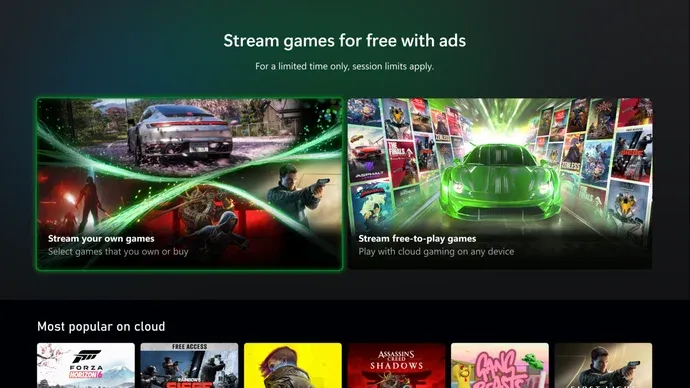
Microsoft tests ad-supported game streaming on Xbox, pushing monetization beyond subscriptions
The Xbox streaming pilot signals a new revenue lever that could reshape pricing, partnerships, and user expectations.

Jennie drops solo single “Less Than a Lover” after launching Ruby on Odd Atelier
A Blackpink member’s next step is small on paper, but it signals a bigger shift in how pop artists build control.