

Tanya Saracho reteams with Starz to develop “The Wolf King” series
Vida’s creator returns as showrunner and executive producer for a werewolf-and-princess drama from Lauren Palphreyman’s books.

Vida creator Tanya Saracho is returning to Starz to develop a TV adaptation of Lauren Palphreyman’s “The Wolf King” book series. She will serve as showrunner and executive producer on the drama.
Tanya Saracho is returning to Starz. The Vida creator will develop a TV adaptation of Lauren Palphreyman’s “The Wolf King” book series, serving as showrunner and executive producer of the drama. The setup is classic fantasy propulsion: a captive princess who is kidnapped by a brooding werewolf alpha and plunged into a bloodthirsty war.
For decision-makers, that is the immediate signal: Starz is doubling down on a prestige-friendly genre pitch where the story engine is built for serial escalation, not one-off spectacle. This is not a passive development, either. Saracho is taking the lead role in shaping the series direction, which matters because showrunner involvement usually determines how a project translates from page to screen. And when a known creator reteams with a platform, it often means the platform believes it already has a working playbook for audience fit and production alignment.
It also tells you something about how modern TV packaging works, particularly at premium networks. Book adaptations are appealing for two reasons executives tend to love. First, they come with an existing readership and an established premise that can be marketed with clarity. Second, they offer built-in narrative structure that can stretch across seasons, giving writers a sandbox instead of starting from zero. In “The Wolf King,” the core hook is built on motion and tension: captivity, abduction, a brooding werewolf alpha, and a war that sounds like it can get darker before it gets cleaner.
Saracho’s involvement as showrunner and executive producer is where the operational stakes rise. A showrunner is not just a creative title. In practice, they influence everything that later becomes board-level risk: how fast storylines resolve, how characters evolve, what the tone is, and how consistently the series delivers the “promise” that hooked readers in the first place. Executive producer duties also tend to pull in key production decisions that affect schedule, cost control, and vendor coordination. In other words, Saracho is not simply supervising. She is positioned to drive the project’s creative and operational outcomes.
From a platform perspective, Starz’s move fits a broader market pattern. Premium TV buyers increasingly want distinctive shows that can compete for attention in crowded schedules, especially in genre categories where audiences are vocal and networks are judged on whether they deliver. Werewolf stories are crowded, yes, but a captive princess kidnapped by a brooding alpha who triggers a bloodthirsty war gives the project a defined emotional spine: fear, coercion, and survival wrapped in romantic and political stakes. That is the kind of premise that can be sold to multiple audience segments, depending on execution.
There is also a second-order implication for anyone funding or building a content pipeline: adaptation projects often reduce early development uncertainty because source material provides a baseline. That can help during internal approvals, budgeting discussions, and talent packaging. But it can also create its own challenge: staying aligned with what the audience expects while still making TV choices that fit the format. The more a project is tied to a book series, the more careful the translation needs to be, particularly around tone and character motivations.
For boards and executive teams, the underlying question is always the same: can this become a durable hit rather than a single-season experiment? A book series adaptation, led by a showrunner like Saracho and developed for Starz, is designed to earn that durability by building long-term plot potential. “The Wolf King” is described as a drama series following that kidnapped princess into a bloodthirsty war, which suggests escalating conflict is baked into the concept. If the series can maintain momentum while keeping character arcs coherent, it has the ingredients that tend to support renewals.
Finally, for peers watching from the sidelines, this is a quiet reminder that creator-platform relationships still matter. When a proven showrunner reteams with a network, it often signals confidence in production capabilities and audience fit, not just a one-off creative whim. If you are an executive evaluating where genre development money should go, Saracho’s Starz return and her dual role as showrunner and executive producer make the bet explicit: build a series with an identifiable fantasy engine, translate a known book world into serialized TV, and aim for a long runway. The strategic stakes are straightforward. Get the adaptation right, and you gain a scalable IP asset. Get it wrong, and you spend premium dollars on a premise that never quite catches fire.
This story's Key Insights and Take-aways are locked.
Create a free account to unlock Executive Actions for one credit.
Register to UnlockAlways free for Executives Club members. Join the Club
More in Entertainment
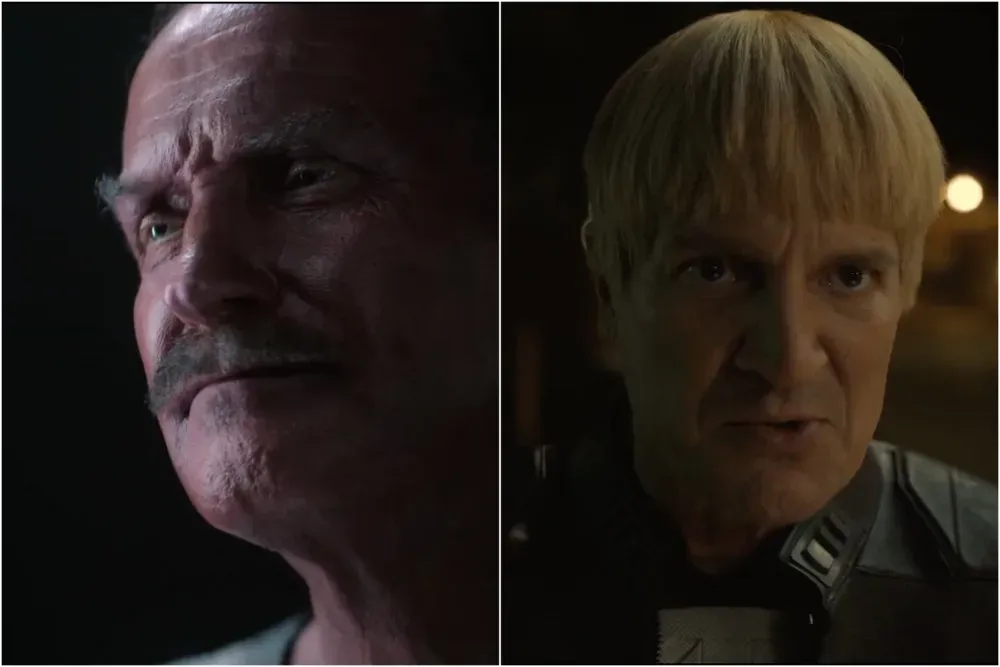
Hal Jordan in prison: Lanterns drops SDCC trailer, Aug. 16 HBO premiere looms
Kyle Chandler and Aaron Pierre headline HBO's Green Lantern-inspired mystery as Hal visits Sinestro and a Manhunter escapes.

Eddie Brock becomes Venom again in October 2026, after Queen in Black ends
Marvel resets Venom’s status quo with a new ongoing series by Charles Soule and Tommaso Bianchi.

Bad Bunny’s $467.5M DTMF tour ends July 22, shattering Boxscore records worldwide
The Debí Tirar Más Fotos World Tour wraps with $467.5 million, 3.1 million tickets, and record-setting reach across five continents.