
Taylor Swift wrote the 'Toy Story' song in one day after seeing 'Toy Story 5'
She says she wrote and produced "I Knew It, I Knew You" in hours the morning after watching the film.

Taylor Swift shared on X a brief video from the day she wrote and produced her "Toy Story"-associated track "I Knew It, I Knew You." For decision-makers, it is a reminder that major music-business momentum can be built fast, then amplified instantly.
Taylor Swift says she wrote and produced her "Toy Story" song "I Knew It, I Knew You" in a single day, and she tied the creative burst to one concrete trigger: she watched "Toy Story 5" earlier that morning. In a brief video shared on X on Thursday, Swift told the camera she got to work in the hours after seeing the movie, essentially describing a rapid turnaround from inspiration to finished track.
That detail matters because it collapses a process people often assume takes weeks or months into something much closer to a sprint. Swift is not just sharing a cute anecdote. She is documenting speed as part of the story of how the track came to exist, with the timestampable context of that same morning, then a “day” that turns into a published production. The result is a clear incentive signal to the entertainment ecosystem: when a cultural moment hits, the best players try to capture it while attention is still hot.
From an industry lens, this is the kind of move that changes how boards and executives think about creative cycles and distribution timing. Film releases create built-in spikes in audience focus. Music typically follows that attention, but the gap between “watching” and “shipping” can define how much of the moment an artist owns. Swift’s own framing, writing and producing the track in the hours after seeing "Toy Story 5," is a case study in compressing that gap, which then increases the chance of landing in the same conversation as the movie.
Now zoom out to why this is a business story, not just a fan-story. Entertainment is attention economics with contracts wrapped around it. The faster an artist can translate a shared cultural moment into a consumable asset, the more they can potentially ride the wave across platforms. Swift’s choice to share the behind-the-scenes creation timeline on X also points to a modern distribution reality: you are not only releasing content, you are manufacturing context around it in real time. That context can drive engagement, which can then feed downstream visibility for the song.
There is also a second-order implication for rights holders and those who manage licensing. While the source only provides the creative timeline and the track title, it still highlights how quickly music can be built around a film release. In practice, the operational challenge for studios, labels, publishers, and licensing partners is coordinating approvals, metadata, and release sequencing so that a track does not miss its cultural window. Swift’s “hours after seeing the film” anecdote reinforces why those coordination systems exist. When the artist can move that fast, everyone else in the chain has to be ready to keep up.
Regulatory background is less about this specific anecdote and more about the broader environment that makes release hygiene non-negotiable. In entertainment, compliance is often about accurate reporting and correct handling of rights information: who owns what, which compositions and recordings are involved, and how royalties flow. A rapid creation and release cycle does not remove those requirements. If anything, it increases pressure to avoid errors because timelines compress. Even if this story does not mention any regulatory filings, the underlying reality remains: the faster the output, the more important the correctness of the machine that routes the money.
There is another reason executives should pay attention: Swift is showing how creators can effectively self-market without relying solely on traditional campaign windows. The brief video shared on X is lightweight content, but it functions like a release accelerant. It tells audiences exactly when the creative burst happened, which gives fans and media a clean narrative hook, and it gives executives a measurable engagement vector. In a world where attention fragments across apps, speed plus clarity often beats speed alone.
For peers and operators, the stakes are straightforward. If you manage an artist brand, a studio partnership, or a catalog strategy, you want to understand how quickly audiences can be pulled from “watching the film” to “listening to the song.” Swift’s account suggests that the most effective cultural capture is not always a long, polished journey. Sometimes it is a decisive sprint, anchored to a specific inspiration moment, then surfaced immediately.
In short: Swift says she wrote and produced "I Knew It, I Knew You" in the hours after seeing "Toy Story 5" earlier that morning. For executives, that is a reminder that timing, platform, and operational readiness can be as strategic as the creative itself, because in modern entertainment, the moment does not wait.
This story's Key Insights and Take-aways are locked.
Create a free account to unlock Executive Actions for one credit.
Register to UnlockAlways free for Executives Club members. Join the Club
More in Entertainment

Starfleet Academy names newcomer Ruaridh Aldington a Season 2 series regular
At San Diego Comic-Con's Star Trek 60th anniversary panel, Aldington joins as Keats, a high-stakes mystery for the cadets.
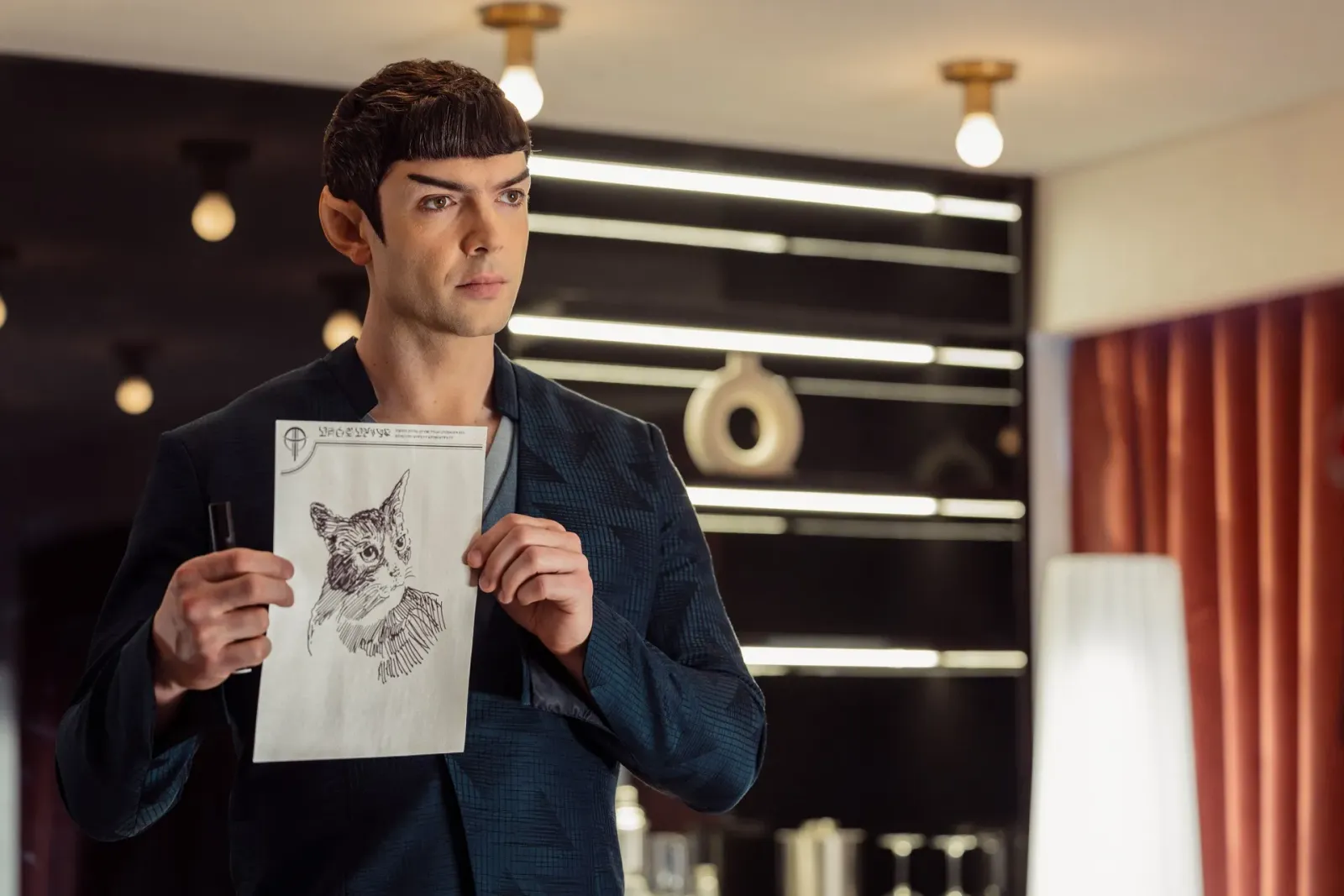
Akiva Goldsman drops Strange New Worlds Season 4 timing: weekly until Sept. 24
Star Trek’s co-showrunner uses Comic-Con to lock in the release calendar for Paramount+ Season 4.
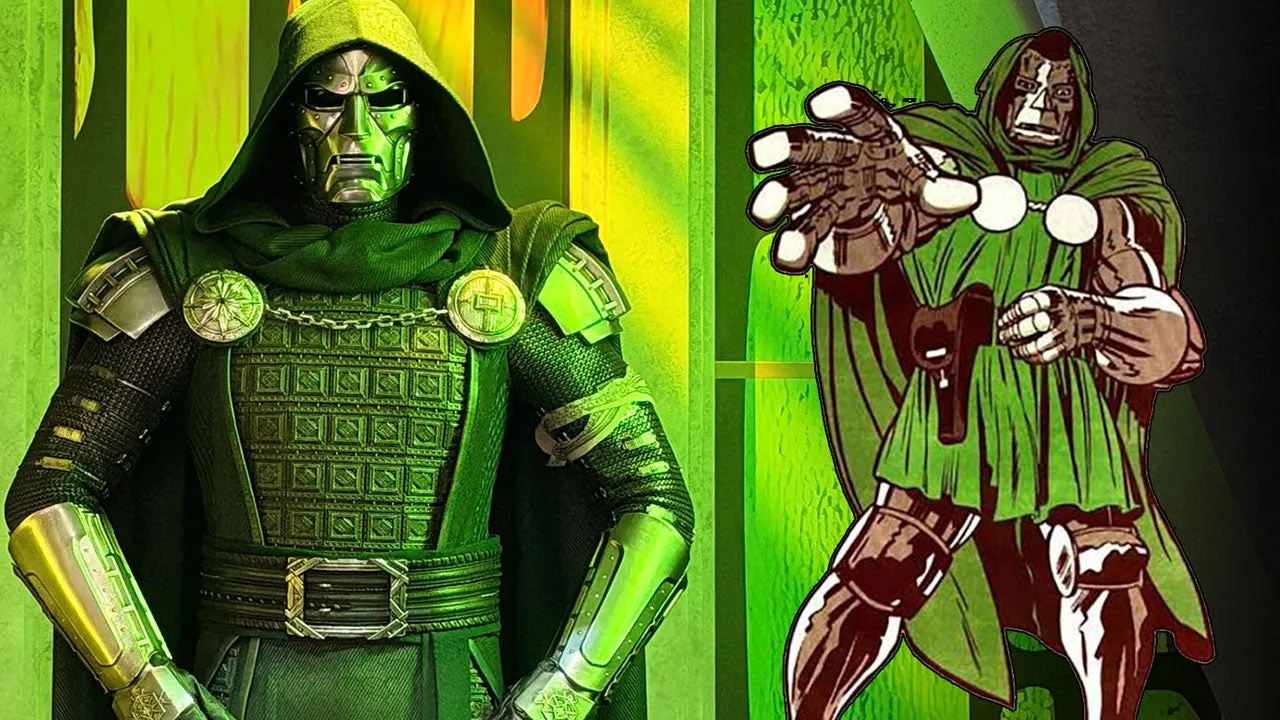
Marvel’s Avengers: Doomsday Doom armor stays faithful to comics, but adds samurai-style upgrades
A fresh look at Robert Downey Jr. as Victor von Doom at Comic-Con shows what Marvel kept, changed, and why it matters.