

Team Asano turns Zelda nostalgia into a playable romp with Elliot: The Millennium Tales
Square Enix and Team Asano deliver a charming, fully voice-acted 2D-HD RPG across PS5, Xbox, Switch 2, and PC.

Team Asano, with Square Enix publishing, is launching The Adventures of Elliot: The Millennium Tales, a retro-styled RPG built around treasure-hunting, temples, monsters, and princess-saving. For decision-makers, it is a clear signal of where mid-budget “modern retro” experiences are winning attention and engagement.
The Adventures of Elliot: The Millennium Tales is the kind of game you can feel in your hands: retro in spirit, modern in polish. Developed by Team Asano and published by Square Enix, it is coming to PlayStation 5, Xbox, Nintendo Switch 2, and PC, and the pitch is refreshingly direct. You play Elliot, a well-meaning, almost obnoxiously upbeat adventurer, while a king’s dastardly aide tries to summon an ancient evil and keep the whole neighborhood in trouble.
If that sounds like after-school-TV schlock, that is exactly the charm. The story is fully voice-acted and unafraid to make you sit through reams and reams of text, while the action loop does its job fast: treasure-hunting, temple-roaming, puzzle-solving, monster-dispatching, and, yes, saving a princess. It is a love letter to Zelda adventures of yesteryear, and the Guardian frames it as “glorious 2D-HD,” blending evocative pixel sprites with modern visual effects. In other words, it is not just nostalgia cosplay. It is nostalgia with production values.
From a studio strategy perspective, this matters because it shows a specific kind of competence: knowing exactly which ingredients create comfort, then tuning the mix for today’s audience. Team Asano already has pedigree for systems that feel familiar but not stale. The Guardian notes the studio’s prior releases, Project Triangle Strategy and Bravely Default: Flying Fairy, before pointing to this newest mouthful of a title. That context is not fluff. It tells you the studio is not randomly hopping genres. It is repeatedly building RPG frameworks where players can roam, collect, and solve, then layering in a recognizable fantasy narrative. Elliot slots neatly into that pattern, but with a more overt “Zelda-like” adventure rhythm.
There is also an important second-order point for publishers and platform partners: multi-platform visibility is part of the package, not an afterthought. The game is explicitly listed across PS5, Xbox, Nintendo Switch 2, and PC. When a title targets multiple ecosystems at once, it tends to reduce the “risk of being forgotten” in any single storefront cycle. It also increases the chance that players on one platform will influence others through clips, walkthrough culture, and word-of-mouth. Even if the core audience is niche, distribution breadth helps that niche become louder.
The gameplay comparisons in the piece are telling: it reads like “Chrono Trigger” and “Oracle of Seasons” energy rather than pure modern action-RPG design. That is useful context because it hints at the kind of player behaviors this game is optimized for. Chrono Trigger is often associated with momentum through story and exploration, while Oracle of Seasons is remembered for structured adventure pacing and puzzle-forward progression. The Guardian’s description of Elliot journeys through the ages to solve puzzles, tip his fedora, and ultimately save the princess signals a loop that rewards curiosity and persistence. From an engagement standpoint, that is the difference between “I beat it” and “I stayed for another hour.”
Now add the aesthetic layer: the Guardian says Team Asano’s 2D-HD style melds pixel sprites with modern visual effects. That is more than pretty art. In a world where production budgets can balloon, “upgrading” 2D visuals into something that feels contemporary can be a way to deliver premium presentation without fully re-platforming into heavy 3D complexity. It also helps marketing. Retail shelves and digital thumbnails still get dominated by screenshots and short clips, and recognizable 2D-HD silhouettes travel well.
On the regulatory front, there is no brand-new policy drama in the source, but there is a consistent industry reality worth tracking for boards: games with narrative weight and voice acting increasingly live under the same general content rating considerations across regions. The key implication is operational, not ideological. If you rely on text-heavy storytelling, you need consistent localization and rating compliance processes that can scale across PS5, Xbox, Switch 2, and PC. Even when regulation is “business as usual,” the cost of getting it wrong is not. That is the hidden tax on narrative ambition.
For investors and executives watching the broader market, Elliot is a datapoint with a message: players are still responding to adventure-led RPGs that feel handcrafted, playful, and instantly legible. The Guardian’s verdict calls it “an absolute blast to play,” and the real strategic stake is what that suggests about audience appetite. This is not just one more release. It is a reminder that modern retro can still win when it is built with clarity, texture, and a coherent fantasy hook. If you are a studio leader, board member, or portfolio manager, the question shifts from “Can we make something nostalgic?” to “Can we make it feel alive right now, across platforms, with real narrative and a satisfying loop?” Elliot is betting yes.
This story's Key Insights and Take-aways are locked.
Create a free account to unlock Executive Actions for one credit.
Register to UnlockAlways free for Executives Club members. Join the Club
More in Entertainment

Starfleet Academy names newcomer Ruaridh Aldington a Season 2 series regular
At San Diego Comic-Con's Star Trek 60th anniversary panel, Aldington joins as Keats, a high-stakes mystery for the cadets.
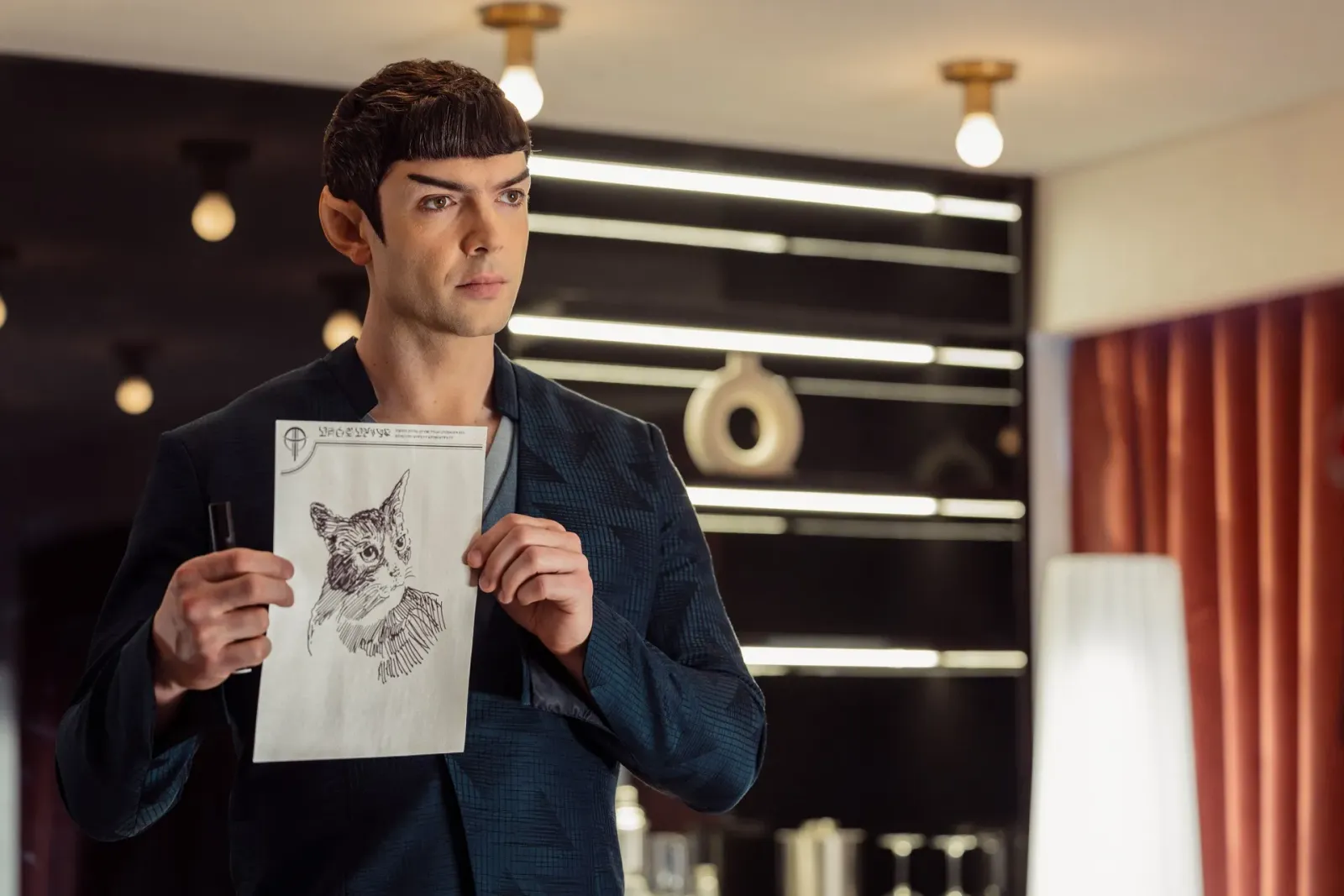
Akiva Goldsman drops Strange New Worlds Season 4 timing: weekly until Sept. 24
Star Trek’s co-showrunner uses Comic-Con to lock in the release calendar for Paramount+ Season 4.
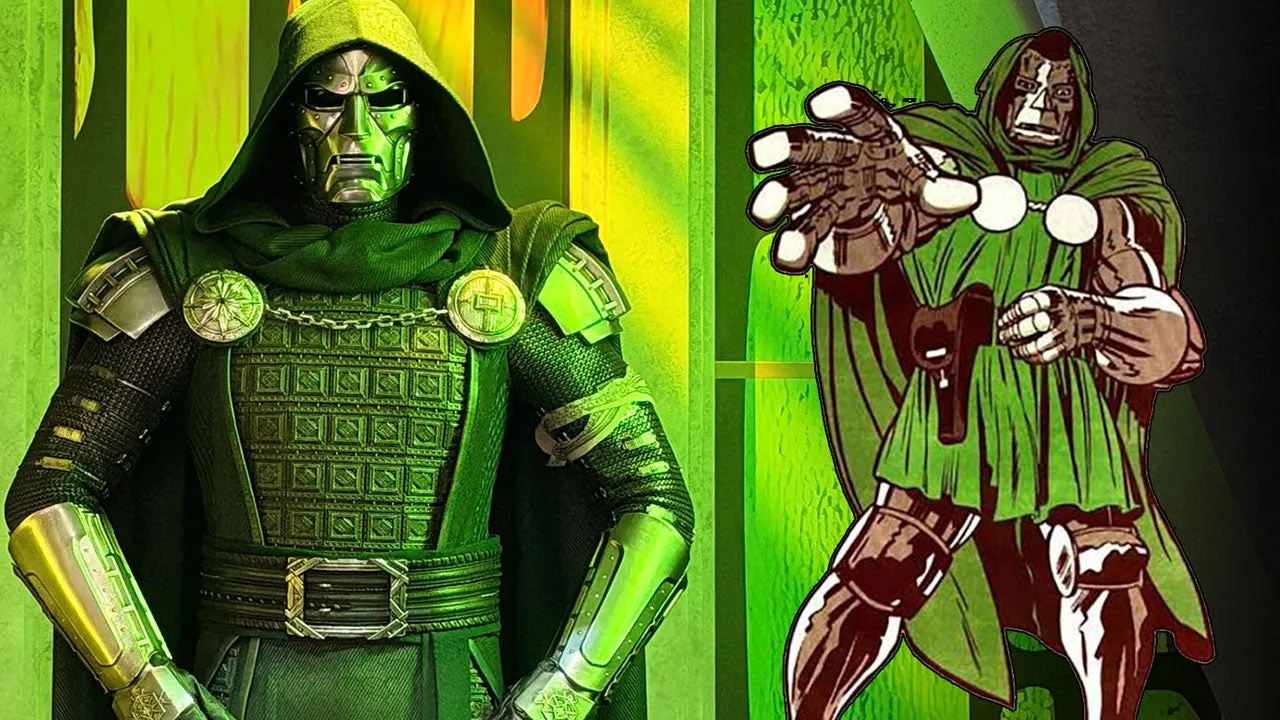
Marvel’s Avengers: Doomsday Doom armor stays faithful to comics, but adds samurai-style upgrades
A fresh look at Robert Downey Jr. as Victor von Doom at Comic-Con shows what Marvel kept, changed, and why it matters.