
Tebboune pushes for bigger EU energy role, but Western Sahara and Sahel tensions complicate
Algeria and Germany pledge deeper energy ties, while regional instability at home threatens the deal’s durability.
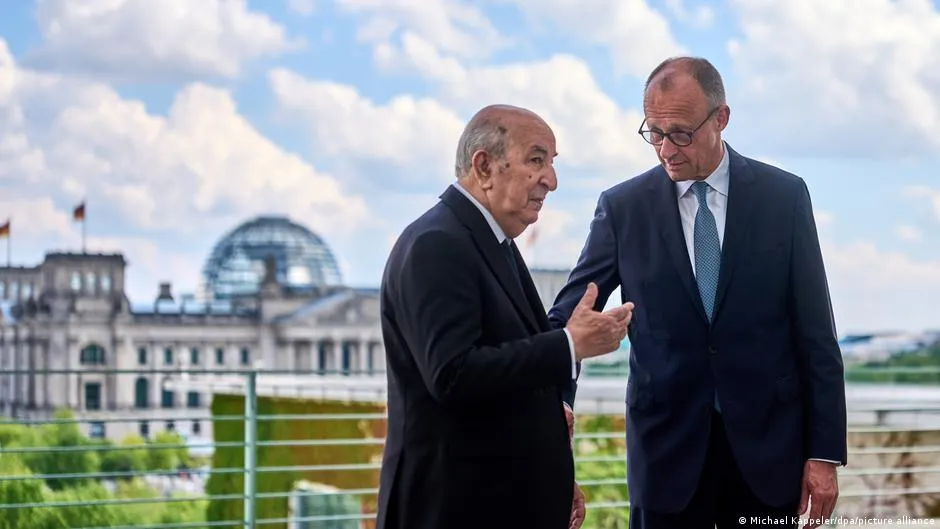
President Abdelmadjid Tebboune secured agreement with Germany to deepen Algeria-Germany energy ties during his recent visit to Berlin. For decision-makers, the upside is clearer energy cooperation, but the risk is that Western Sahara and Sahel instability keep injecting volatility into supply and policy.
President Abdelmadjid Tebboune’s recent visit to Berlin didn’t just produce diplomatic pleasantries. It ended with an agreement between Algeria and Germany to deepen energy ties. On paper, that is the kind of headline most European energy stakeholders want to hear, especially when policymakers are constantly balancing diversification goals with reliability.
But the same moment that creates momentum also exposes the fragility behind it. The source notes that Algiers is still grappling with tensions at home, specifically over Western Sahara and instability in the Sahel. That means energy cooperation can advance, yet the political conditions that influence contracts, investment timelines, and operational risk can remain unsettled. In other words, the deal is real, but the risk premium does not disappear just because two leaders meet in Berlin.
To understand why this matters beyond headlines, it helps to think about how energy relationships between producers and European buyers typically evolve. Energy ties are rarely “one and done.” They usually require longer planning cycles, including infrastructure investment, logistics arrangements, and regulatory alignment. Even when parties agree at the executive level, the work that keeps gas and power systems stable has to run through bureaucracies, operators, and compliance frameworks. When domestic tensions stay active in the producer country, that can affect everything from project permitting and procurement to the practical risk assessments used by buyers and financiers.
Western Sahara tensions add a layer of sensitivity because they are tied to regional sovereignty disputes and long-running political dynamics. The source does not give details about any specific energy measure tied to those tensions, so the correct takeaway is more structural: political disputes can re-shape government priorities, influence regulatory behavior, and complicate expectations about the stability of future commitments. For European energy decision-makers, that translates into the constant question of whether today’s agreement will hold through future budget cycles, leadership changes, or shifts in security conditions.
Then there is the Sahel. The source describes “instability in the Sahel,” which is a phrase with immediate operational implications. Energy supply chains often depend on secure corridors, predictable transit environments, and stable governance. Even if Algeria’s energy production is not directly located in the most unstable zones, regional instability can still influence logistics, insurance costs, and the broader risk environment that affects cross-border planning. Boards and treasury teams do not just think in megawatts and volumes. They also think in risk-adjusted returns, where political and security factors can change the math surprisingly fast.
Germany’s role in this is also worth noting. When Germany agrees to deepen energy ties with a partner, the decision usually reflects a strategic effort to secure energy inputs, manage pricing exposure, and build resilience. But partners operate inside real-world politics, not just energy strategy decks. That is why Algeria’s internal tensions are more than background noise. They are a variable that can influence contract implementation and the credibility of medium-term planning assumptions.
For executives and investors tracking similar cross-border energy relationships, the second-order lesson is straightforward: even strong political alignment can be undermined by unresolved domestic or regional instability. The agreement reached during President Abdelmadjid Tebboune’s Berlin visit signals intent and near-term cooperation. The ongoing tensions over Western Sahara and instability in the Sahel signal that continuity is not automatic. Put together, that combination is the real story: cooperation can deepen, but risk management cannot relax.
This story's Key Insights and Take-aways are locked.
Create a free account to unlock Executive Actions for one credit.
Register to UnlockAlways free for Executives Club members. Join the Club
More in Politics

LA County: DOJ's 20,000 'noncitizen' voter list is 'unreliable,' includes U.S.-born
Preliminary review by Los Angeles County election officials finds errors in the federal list, raising the stakes for voter roll integrity ahead of November.

Trump's $1.5B Pentagon chip investment lands in North Carolina
A $1.5 billion defense infusion for North Carolina chipmaking signals a new era of Pentagon-backed reshoring - here's what it means for the industry.

Nigeria confirms first Ebola case in Abuja, a woman just off a Uganda flight
Health Minister Muhammad Ali Pate says the patient flew in from Uganda, putting Africa's latest outbreak on Nigeria's doorstep.