

Tehran flips Hezbollah from asset to obligation as the war redraws proxy incentives
Foreign Policy argues Iran’s relationship with Hezbollah is changing as the war reshapes costs, control, and leverage for Tehran.

Foreign Policy explores how the war has shifted Iran’s relationship with its proxies, focusing on whether Hezbollah is becoming more of an obligation than an asset to Tehran. For decision-makers watching regional risk, the implication is clear: proxy behavior and costs are likely to look less like strategy and more like dependency.
The basic question Foreign Policy raises is uncomfortable for Tehran and anyone tracking Iran’s network: is Hezbollah still an asset, or is it becoming more of a burden? The piece frames the war as the turning point, arguing that the conflict has altered the logic behind Iran’s reliance on proxies. In other words, the “why” behind these relationships is changing, and that matters because incentives drive actions, not slogans.
At the center is Hezbollah, widely treated as one of Iran’s most consequential partners. Foreign Policy’s angle is that the war has shifted Iran’s relationship with its proxies in a way that can make a previously useful instrument start to function like a constraint. When a proxy operation gets costly, unpredictable, or difficult to calibrate, the sponsor can stop seeing it as a lever and start experiencing it as a liability. The piece is essentially about that shift in posture, and it is not just about battlefield outcomes. It is about how Tehran might manage something that it cannot fully control, while still needing to absorb the political and operational consequences.
To understand why this matters beyond the Middle East, zoom out to how proxy systems typically work. A patron state backs a partner because the partner can deliver influence without direct escalation. Done well, the proxy is deniable, targeted, and calibrated. Done poorly, it creates ongoing entanglement: the sponsor pays economic and political costs, the proxy pursues its own priorities, and the conflict environment forces constant attention. In corporate terms, think of a “strategic partner” that becomes a perpetual line item. The original business case assumed modular costs and controllable outputs. The new reality can become coordination friction plus escalating downside.
Markets and regulators do not react to ideology. They react to risk transmission. When proxy relationships shift toward obligation, that tends to increase uncertainty around timing and intensity. Even if a sponsor retains ultimate authority, the sponsor still has to manage the optics and the blowback. That can affect everything from regional security planning to sanctions exposure. For firms with supply chains, logistics, or regional investments, proxy-driven instability can translate into higher compliance overhead, more conservative counterparty decisions, and faster escalation of risk controls. For boards, it changes the shape of the risk register. You do not just model “what might happen.” You also model “who pays, how quickly, and with what knock-on regulatory consequences.”
Sanctions and compliance regimes are part of the second-order equation here, even though Foreign Policy does not reduce the story to paperwork. Sponsors of non-state armed groups often face pressure through targeted financial measures and broader constraints that can tighten over time. In that environment, if Hezbollah becomes more obligation than asset, Tehran might face harder tradeoffs: maintain support and risk further isolation, or reduce support and risk losing influence. That kind of tradeoff can produce behavior that looks less like clean strategy and more like triage. And triage is rarely stable. It can lead to shifting patterns of funding, procurement, and operational choices, which in turn can increase the compliance burden for anyone caught in the perimeter.
For decision-makers, the key stake is leverage. Assets can be deployed. Obligations have to be managed. The war, as Foreign Policy frames it, rearranges that balance by changing the costs and constraints around proxies. Hezbollah’s position in the network likely remains significant, but the relationship can still become less “instrumental” and more “involuntary.” That distinction is the real strategic pivot. If Tehran is increasingly locked into supporting or accommodating Hezbollah, the patron state’s freedom of action shrinks. It can also reduce the patron’s ability to negotiate or calibrate through incentives, because the relationship becomes rooted in necessity and ongoing commitments rather than selective utility.
Now widen one more layer: peers. If you are an investor, lender, or operator underwriting regional exposure, a war-driven shift from asset to obligation signals a higher probability of persistent volatility. It also hints at a longer period of adjustment, where sponsor-proxy dynamics evolve rather than snap back. For governments and security planners, that means less confidence in predictability and more emphasis on scenario planning that accounts for constrained decision-making. And for any organization doing business in or near sanctioned or high-risk regions, it means risk management has to keep up with political incentives, not just surface events.
Foreign Policy’s central idea is simple but consequential: the war has shifted Iran’s relationship with its proxies, and in the case of Hezbollah, that shift can look like a downgrade from asset to obligation. The strategic question is not whether Hezbollah remains important. The question is whether it remains controllable and cost-effective enough to be treated as a tool. In a world where costs accumulate and control degrades, what was once leverage can become a repeating bill, and that is when relationships become harder to unwind, harder to forecast, and more expensive for everyone near the blast radius.
This story's Key Insights and Take-aways are locked.
Create a free account to unlock Executive Actions for one credit.
Register to UnlockAlways free for Executives Club members. Join the Club
More in Politics
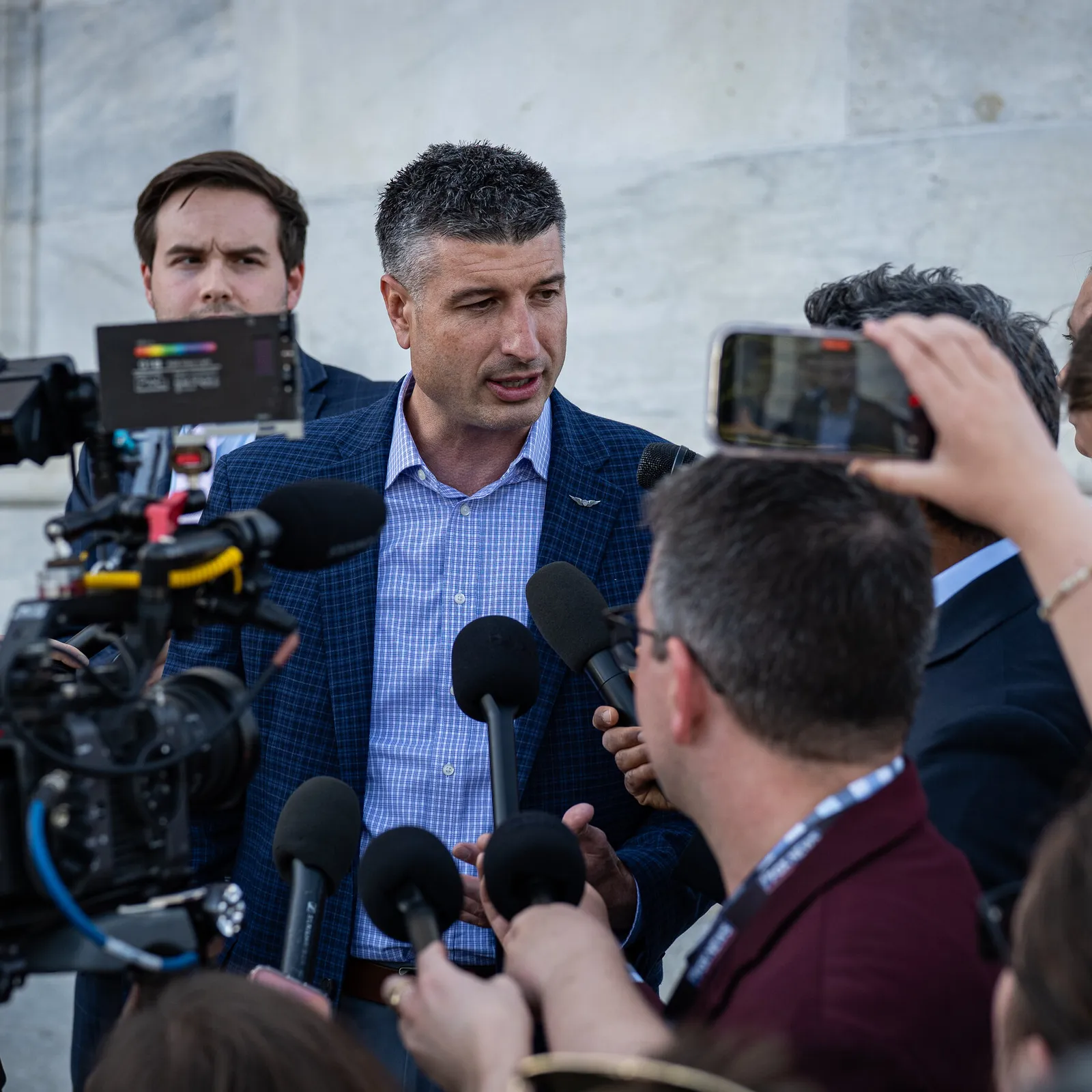
House again forces Iran war powers vote after Republicans join Democrats a second time
Second rebuke repeats the same pattern: a cross-party bloc demands authorization, raising new friction for the president.
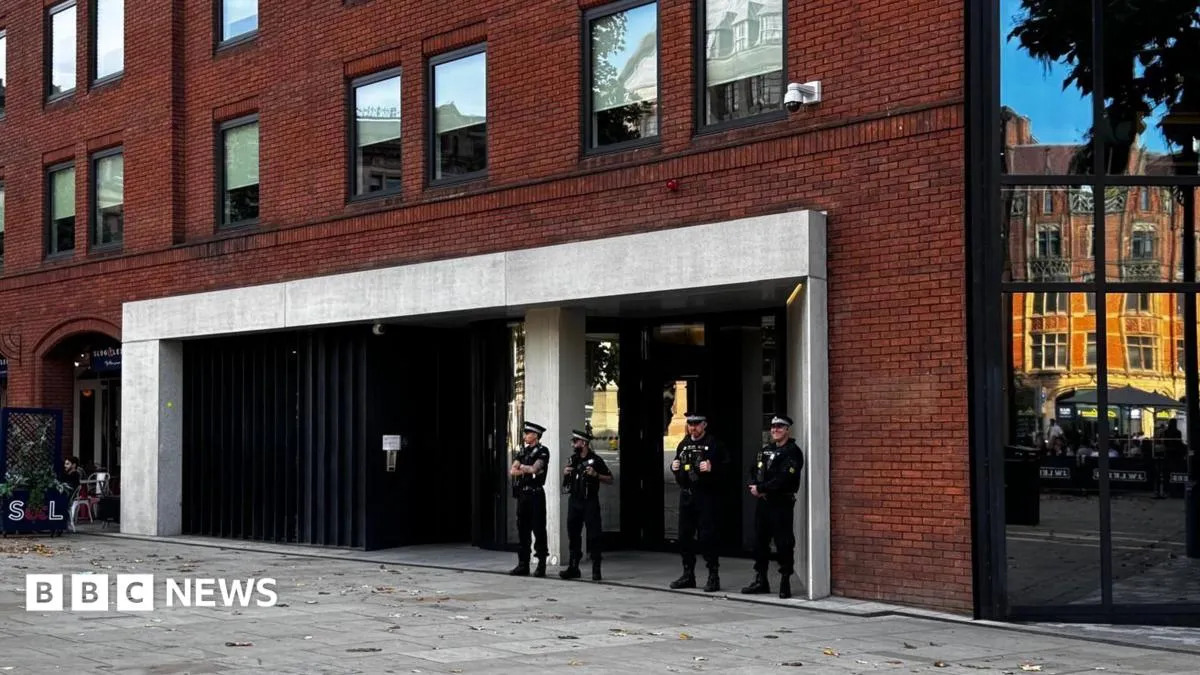
No 10 North blueprint targets up to 300 staff in 18 months
A think tank plan sketches a sizable No 10 workforce timeline, forcing ministers to confront staffing, cost, and control fast.

Burnham backs 20% cut to English pub business rates, not hotels or restaurants
From next April, some hospitality firms get a discount but hotels and restaurants are left out of the 20% break.