
Tencent's OpenAI hire says he's chasing artificial general intelligence
Yao Shunyu’s move from OpenAI to Tencent shows how the AI talent war is now tied to the race for China’s next super-app.
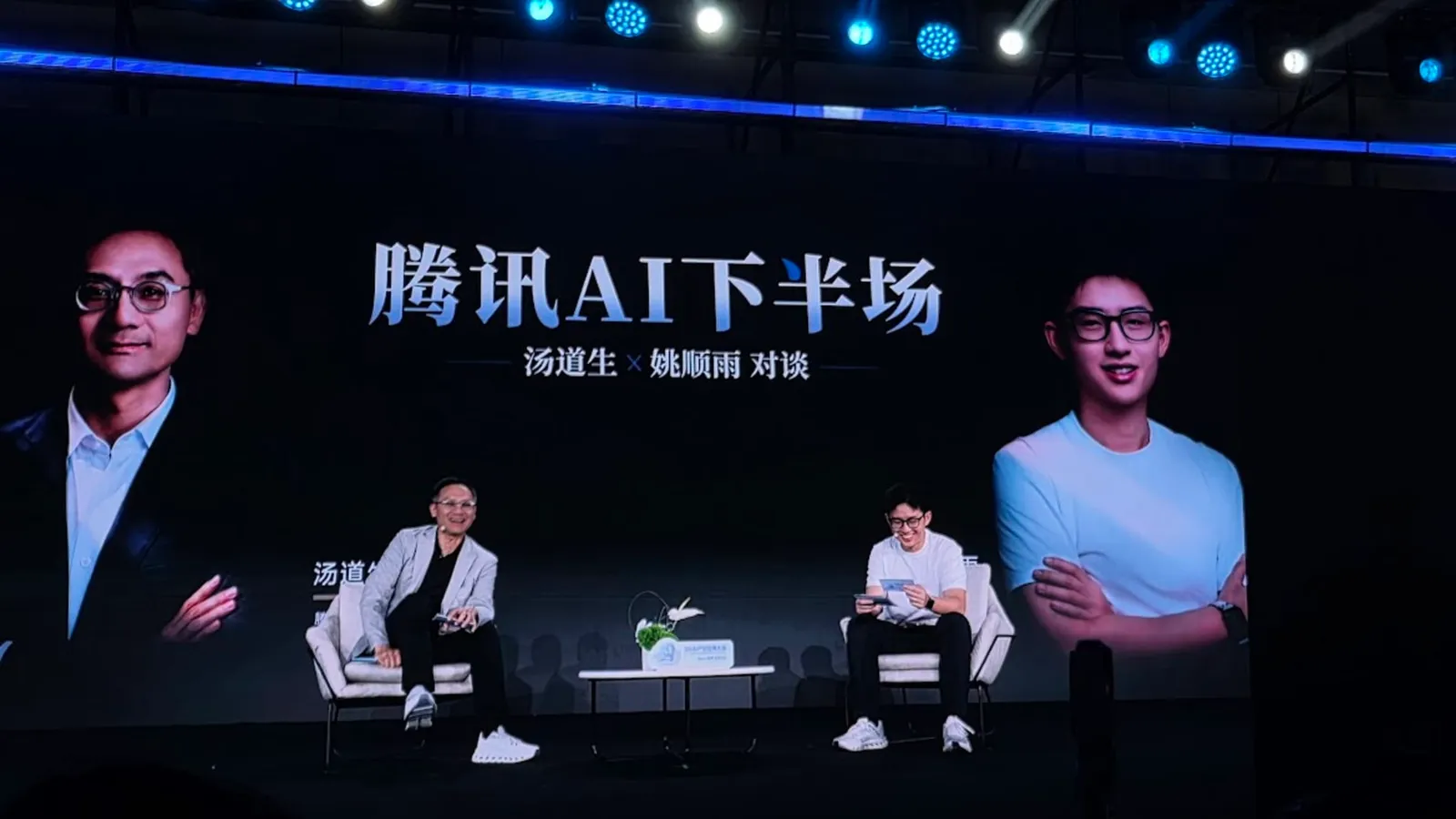
Tencent Chief AI Scientist Yao Shunyu, who joined the company from OpenAI, said Friday that he aims to pursue artificial general intelligence. For executives, that signals Tencent is not just buying talent, but buying a shot at the most ambitious layer of AI competition.
Tencent Chief AI Scientist Yao Shunyu, who joined the company from OpenAI, said Friday he aims to pursue artificial general intelligence. That matters because it turns Tencent's latest AI hire into more than a résumé trophy. It is a clear signal that one of China's biggest tech companies wants to compete at the very top of the AI stack, where the prize is not just better products, but a system that can handle far more than today's narrow, task-specific tools.
The source CNB C headline frames the broader contest: China is poaching more AI talent from the U.S. as it eyes the next super-app. Yao's move fits that bigger story. Tencent is not alone in chasing AI people who have worked at frontier labs, but hiring a chief scientist from OpenAI is the kind of move that tells rivals, investors, and regulators where a company thinks the future is headed. In plain English, this is not about sprinkling AI onto a few features. It is about trying to build the brain that could power a much larger consumer or enterprise platform later.
That makes the phrase artificial general intelligence especially important here. AGI is the industry shorthand for AI that can perform a broad range of intellectual tasks, instead of being good at one specific thing. Yao said Friday he wants to pursue that goal, which is the kind of ambition that signals Tencent is thinking long term and thinking big. For a company already embedded in China's digital life, that ambition raises the stakes for every rival trying to define what the next version of a super-app looks like. If AI becomes the layer users interact with first, the company that controls the best model and the best distribution can shape everything from search and chat to commerce and services.
Tencent's interest in that future also reflects a broader strategic reality. In markets like China, where super-apps have historically fused messaging, payments, content, and services into one ecosystem, the next phase of competition could be decided by who makes AI feel indispensable inside that ecosystem. That is why a hire like Yao matters beyond one company. Senior AI leaders do not just write code or supervise research. They influence hiring, model strategy, product timing, and where a company places its biggest bets. When a firm brings in someone from OpenAI, it is often trying to import not only technical skill, but also research culture, operating habits, and credibility.
For boards and executives, the subtext is straightforward: the AI talent market is increasingly a strategic asset class. If China is pulling more researchers and leaders from the U.S., that can alter how quickly domestic companies catch up, differentiate, or localize frontier AI systems. It can also intensify pressure on U.S. firms to retain talent with pay, mission, compute access, or the promise of building the most advanced models in the world. None of that guarantees success. But it does mean the people building the models have become as important as the models themselves.
There is also a second-order effect for companies watching Tencent specifically. A chief AI scientist with OpenAI credentials gives Tencent a sharper story when it talks to partners, customers, and internal teams about what AI is for. That matters because enterprise buyers and consumers alike are still sorting through the difference between flashy demos and real product change. Leadership names help anchor that narrative. They can reassure the market that the company is serious about a frontier bet, not just reacting to the latest trend.
The strategic takeaway is that this is not merely a personnel update. It is a sign that the AI race is becoming more global, more talent-driven, and more tied to platform control. Tencent's move suggests the company sees AGI as part of its long game, and that the next great consumer platform in China may be built by whoever can combine research depth, product distribution, and ecosystem reach first. For any CEO or board trying to understand where AI competition is heading, the message is blunt: the war for talent is now the war for the roadmap.
This story's Key Insights and Take-aways are locked.
Create a free account to unlock Executive Actions for one credit.
Register to UnlockAlways free for Executives Club members. Join the Club
More in Technology

OpenAI says 10,000 agents cracked a 90-year math problem in 88 hours
The company's claim is audacious, but one mathematician is pushing back. Here's what it means for AI-driven discovery.
Meta still serves child sexual abuse ads on Instagram in India - BBC report
A new report following the BBC Eye investigation says the ads are still there - what it signals for every platform with a self-serve ad engine.
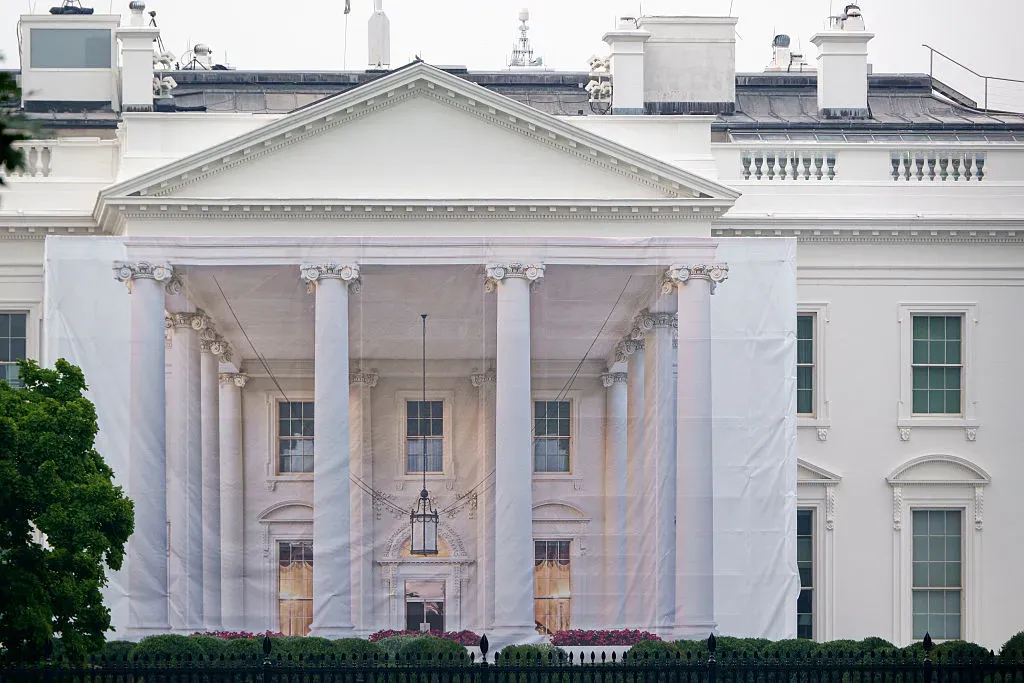
White House yanks 'Build the Wall' game after Tetris Company copyright warning
The administration's arcade game vanished in hours - and the takedown playbook every brand can learn from.