
Terminator 2 returns Aug. 28, 2026 for 35th anniversary, not July 3
A 3D and restored re-release shifts one key date for a very specific reason: August 29, 1997.
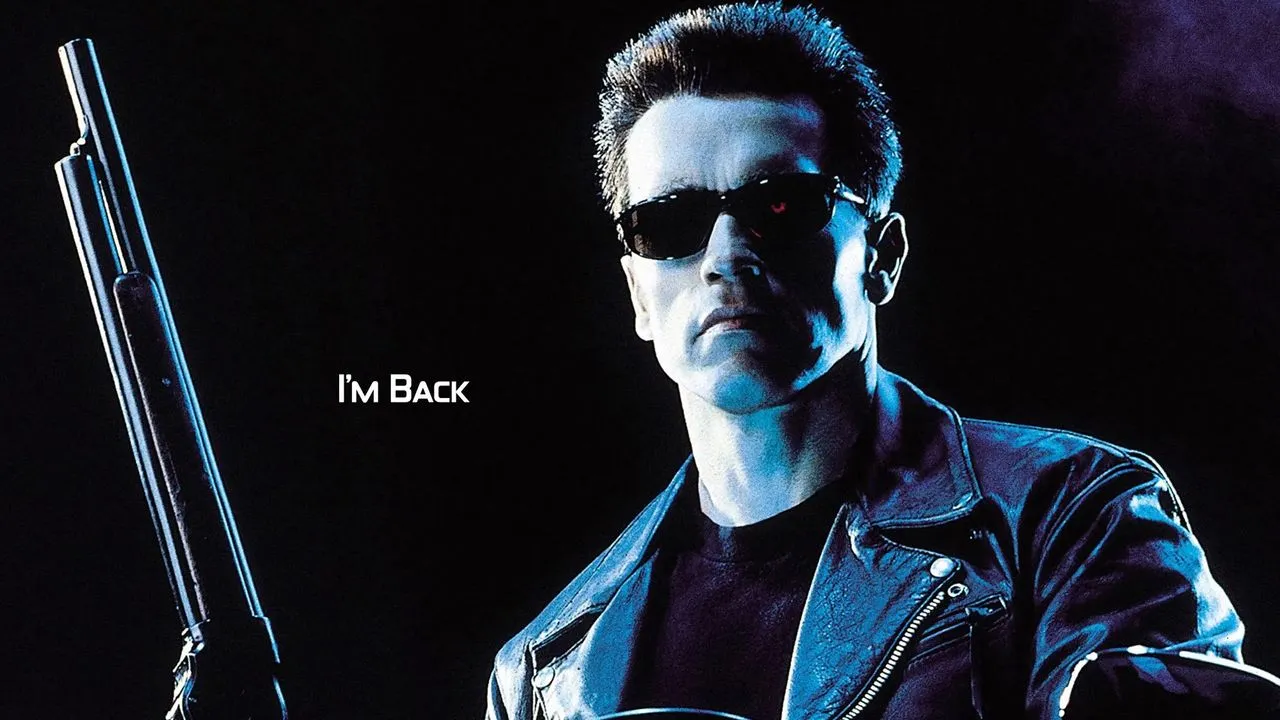
StudioCanal is bringing James Cameron's Oscar-winning Terminator 2: Judgment Day back into U.S. and global theaters for its 35th anniversary on Aug. 28, 2026. The release uses StudioCanal’s 2017 restoration and 3D conversion, with Cameron saying it is the best way to see the film.
Mark your calendars for Aug. 28, 2026. StudioCanal will re-release Terminator 2: Judgment Day in U.S. and global theaters for the film's 35th anniversary, even though the actual anniversary date was July 3. The twist is that the movie’s own timeline is the real calendar it is leaning on, and that matters for more than nostalgia.
In Terminator 2’s mythology, Skynet becomes self-aware and launches a doomsday nuclear attack on the world on August 29, 1997. StudioCanal chose the weekend of Aug. 28 for the re-release to line up with that in-universe catastrophe, turning a marketing calendar mismatch into a thematic flex. This is one of those rare entertainment decisions where the business logic and the story logic reinforce each other. The movie’s re-release is paired with a special new anniversary trailer and a nostalgia poster to build urgency ahead of showtimes.
This is not happening as a bare-bones re-run either. The presentation uses StudioCanal’s 2017 restoration and 3D conversion, which is a direct signal about how distributors are thinking about value capture in theater today. Premium formats like 3D are expensive and operationally complicated, but they also help justify pricing and create a differentiated “reason to go” that streaming often can’t replicate with the same frictionless convenience. Put simply, the theater experience is being positioned as the “best way to see the film,” not a compromise.
James Cameron, the director, framed it that way in an official announcement included with the news. He said, “T2 was made for theatres, and our lovingly-prepared 3D version, coming back to the big screen, is the absolute best way to see the film.” He also added that it is “safe to do spoilers after 35 years,” then included a spoiler summary of the plot, saying the good guys win against the AI superintelligence. That matters because it tells you how the campaign is being built: it is inviting long-time fans back with permission to talk, while still giving newcomers a clear expectation of what they are getting before they even buy a ticket.
For the business side, the timing details show how StudioCanal is coordinating multiple geographies. Residents in Australia will get the re-release on Sept. 3, with a United Kingdom release due to begin Sept. 4. Tickets in the United States for Terminator 2: Judgment Day 35th Anniversary have been available online since July 17. That staggered rollout is common in global releases, but the key here is that it also gives theaters and partners a runway to advertise the format and drive pre-sales, rather than waiting until closer to the anniversary day.
If you want the baseline context, Terminator 2: Judgment Day originally hit theaters on July 3, 1991, and went on to win four Oscars, instantly cementing its legacy as one of the most influential sci-fi films ever. The 35th anniversary re-release leans on that track record, but it is also built around a specific choice: aligning a real-world theater weekend with an in-movie date tied to nuclear catastrophe. That kind of precise narrative tie-in is a reminder that IP is not only content. It is also a clock, a mythology, and a repeatable system for engagement.
Strategically, this is a play executives in entertainment and adjacent sectors should notice because it highlights how premium experiences are being marketed in a world where home viewing is always one click away. The decision also hints at how boards and leadership teams evaluate “eventization.” Instead of treating anniversaries as passive commemorations, StudioCanal is treating this as an active product cycle, complete with restoration technology, format upgrades, and a story-anchored date. For peers watching theatrical economics, streaming competition, and global release coordination, the lesson is straightforward: when you have a proven franchise, you can turn time itself into distribution leverage. And in this case, the calendar is not just marketing. It is the plot.
This story's Key Insights and Take-aways are locked.
Create a free account to unlock Executive Actions for one credit.
Register to UnlockAlways free for Executives Club members. Join the Club
More in Entertainment

12TB Steam 'teraleak' goes beyond Valve: GTA 3, Mafia 2 prototypes exposed
A 12-terabyte dump of Steam data reveals prototypes and builds of third-party classics like GTA 3 and Mafia 2, plus unreleased Valve content, rewriting game history.

LinkedIn's romance problem: 1 in 4 workers say dating on it is fair game
A new survey shows a quarter of U.S. employees treat the professional network as fair game for romance, even as LinkedIn bans it and removes hundreds of thousands of offending posts.

Enhypen's first No. 1 album breaks K-pop's Billboard 200 streak
The K-pop group's 98,000-unit debut tops the chart while Dolly Parton's catalog reentry shows how death reshapes streaming.