

Tesla Q2 2026 deliveries hit 480,126, smashing 406,000 Wall Street expectations
Production reached 451,758 units as Model 3 and Y delivered 467,762, signaling momentum boards will track closely.
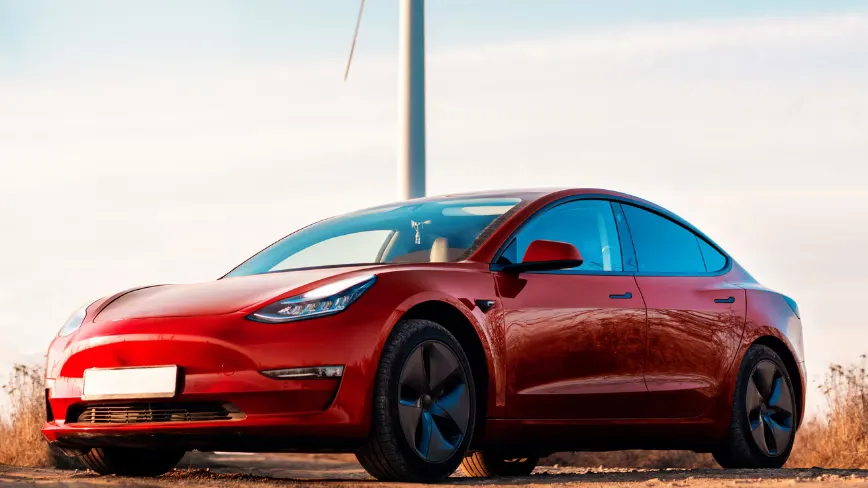
Tesla reported second-quarter 2026 vehicle deliveries of 480,126, beating Wall Street consensus expectations of approximately 406,000. The company also reported production of 451,758 units, with deliveries up 25% year-over-year and up 34% from Q1’s 358,023 deliveries.
Tesla delivered 480,126 vehicles in Q2 2026, decisively beating the Wall Street consensus of approximately 406,000. That single number is the headline because it resolves the market question that matters most in autos and especially for Tesla: not what Tesla announced, but what it actually handed to customers.
Production landed at 451,758 units. Even more telling is the delivery pace versus prior quarters. Tesla’s deliveries were up 25% year-over-year, and they rose 34% versus Q1, when the company reported 358,023 deliveries. In other words, the quarter was not a gentle uptick. It was a noticeable step-change that investors will treat as proof that demand and manufacturing are both still pulling in the right direction.
If you are an executive trying to read this fast, the key is how the two lines, deliveries and production, describe the same reality from different angles. Deliveries are what shows up as customer volume. Production is what the factory produced, which can later become inventory or deliveries depending on how the company moves vehicles through the pipeline. Here, deliveries (480,126) exceed production (451,758), which implies Tesla converted production into customer deliveries efficiently in the quarter and likely drew down pipeline inventory or timing into deliveries.
The breakdown by model underscores where that momentum came from. The Model 3 and Model Y accounted for 467,762 deliveries. That is the vast majority of Tesla’s Q2 output in delivery terms, which matters for how boards think about revenue resilience. When a small set of models drives nearly all deliveries, the company’s next-quarter performance is tightly coupled to that product line’s ability to sustain demand, pricing, and supply. For leaders at other automakers and for investors allocating capital in auto-adjacent tech, it is also a reminder that the competitive battlefield is often less about broad brand narratives and more about which models can actually move through distribution.
Context matters, too, because vehicle deliveries have become one of the industry’s most watched operational signals. In traditional auto cycles, months can blur performance into rebates, fleet timing, and inventory. Tesla’s reporting style tends to make the conversion from production to deliveries feel more immediate, so deviations versus consensus quickly become narrative fuel. Beating a widely tracked expectation like 406,000 is not just a win. It changes how the next quarter is priced.
Second-order, boards and CFOs will likely focus on what this quarter implies for planning. A big jump in deliveries, especially one that is higher than production, can influence procurement decisions, workforce scheduling, and component sourcing. If demand is staying firm enough to absorb output without leaving a large inventory hangover, leaders gain flexibility. If the opposite were true, they would be forced into discounting or accelerated inventory clearing. In this case, the delivery increase, and the fact that Model 3 and Model Y dominate deliveries, suggests Tesla is leaning into an execution cycle that converts supply into customer receipts.
There is also a strategic implication for capital markets behavior. When a company beats consensus on deliveries and pairs that with a substantial year-over-year increase, it often reduces the probability of near-term downside surprises. That can be especially important for Tesla because deliveries are a key input into how investors model growth, margins, and the company’s ability to keep funding manufacturing and technology development. Even though today’s headline is about unit volume, the market tends to translate it into expectations about broader financial performance, including how effectively Tesla can monetize those vehicles.
For executives at peers, the move is a benchmark. Auto results do not exist in a vacuum. If Tesla can deliver 480,126 in Q2 while the market expected about 406,000, it sets a high bar for competitors that are also trying to interpret demand signals while managing their own production constraints. It also raises the pressure on product timelines. If your company’s manufacturing and delivery cadence is lagging, investors will notice the gap quickly. Tesla’s Q2 numbers give decision-makers a clear data point: the conversion engine is running hot, and the market has started to reward it.
This story's Key Insights and Take-aways are locked.
Create a free account to unlock Executive Actions for one credit.
Register to UnlockAlways free for Executives Club members. Join the Club
More in Technology

Nvidia's $89B data center quarter: the 9 companies cashing in
The AI buildout is minting fortunes beyond GPUs, and memory, cloud, and cooling suppliers are riding the same wave.

Google quietly links your phone number to every Android account on your SIM
Adding a SIM now ties your phone number to all Google accounts - and future accounts inherit it. Here's the security and privacy stakes.

Hijacker AI 'Skynet mode' runs 100,000 attack steps against exposed models
Symantec caught a criminal AI agent that borrows other models, steals data, and mines crypto; the only relief is no confirmed victims yet.