

Tesla-SpaceX merger chatter resurfaces, and the hurdles are massive
Elon Musk's two flagship companies may combine, but negotiations and regulatory reviews could stretch for years. Here's what decision-makers should watch.
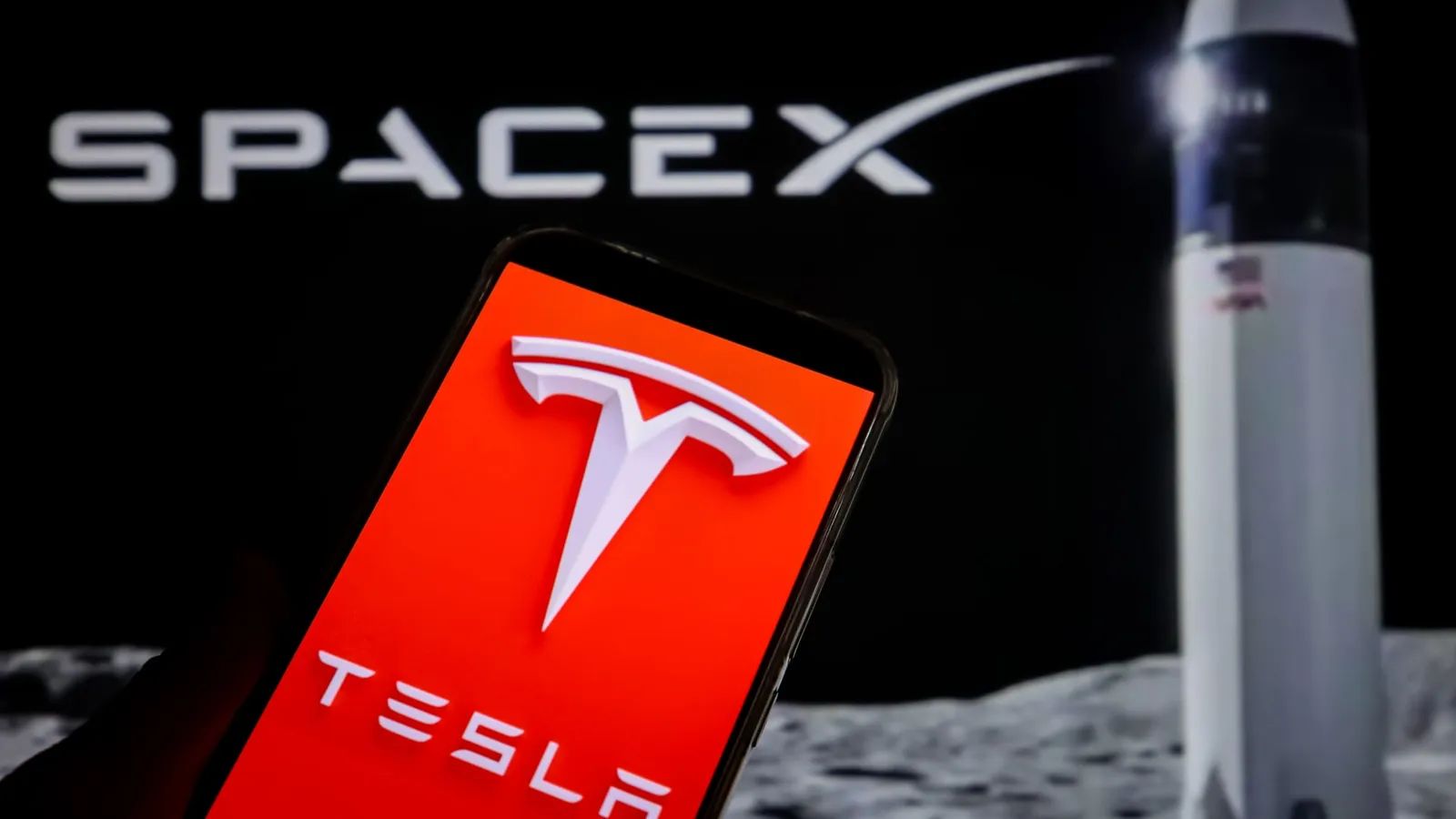
Elon Musk's Tesla and SpaceX are reportedly exploring a merger, according to CNBC, though talks remain preliminary. For executives and investors, any deal would face a gauntlet of antitrust, national security, and shareholder approval hurdles.
Elon Musk's Tesla and SpaceX are back in the spotlight over a potential merger, according to CNBC, but the chatter is running far ahead of reality. Any combination of the electric-vehicle maker and the rocket company would face a long road of negotiations and regulatory reviews, the report notes. The timing is notable: the talk is resurfacing with Tesla's earnings in the rearview mirror, giving investors a fresh window to speculate about Musk's next move. But the gap between rumor and done deal is enormous, and the hurdles are not just financial.
Start with the structural mismatch. Tesla is a publicly traded company with a market value that swings with quarterly earnings, while SpaceX is one of the most valuable private companies in the world, closely held and valued by a small group of investors. Merging the two would require a valuation framework that satisfies Tesla's public shareholders and SpaceX's private backers, a negotiation that alone could take months. Then there is the question of who runs what. Musk serves as CEO of both companies, and a merger would concentrate enormous strategic and operational power in one executive, a fact that is likely to draw intense scrutiny from governance watchdogs and institutional investors.
Regulatory review is where the chatter could hit a wall. A Tesla-SpaceX merger would not be a simple vertical or horizontal deal; it would combine a mass-market automaker with a defense-adjacent space contractor. That means multiple agencies could claim jurisdiction. The Federal Trade Commission or the Justice Department would examine antitrust implications, while the Committee on Foreign Investment in the United States (CFIUS) could get involved given SpaceX's sensitive launch contracts and national security work. Any review would probe technology transfer, board independence, and whether Musk's dual roles create conflicts that harm either company's customers or competitors.
There is also the question of why the two companies would merge at all. Tesla brings cash flow, manufacturing scale, and a consumer brand; SpaceX brings rocket technology, a satellite internet business, and deep ties to government space programs. In theory, the combination could create synergies in battery manufacturing, materials science, and even Mars ambitions. But the source report does not specify terms, timeline, or strategic rationale, and that absence of detail is telling. Merger chatter often emerges when executives want to test investor sentiment or when media speculation fills a news vacuum, and this appears to be exactly that kind of moment.
For boards and executives watching from the sidelines, the episode is a reminder that Musk's corporate empire is always in motion. Tesla's earnings are done, so attention naturally shifts to the next catalyst, and a merger rumor is a powerful one. But the practical obstacles are steep. Any deal would need approval from Tesla's board, a special committee of independent directors, and a majority of minority shareholders, given Musk's significant ownership stake. SpaceX's investors, including some with board seats, would also need to sign off. That is a lot of constituencies to align, and each has different incentives.
The regulatory environment for big tech and transportation deals has also tightened in recent years. Antitrust enforcers have signaled a willingness to challenge vertical mergers, and national security reviews have become more aggressive, especially for companies with ties to space and defense. A Tesla-SpaceX merger would be a high-profile test case, and regulators may demand concessions, such as firewalls between the two businesses or limits on data sharing. Those concessions could erode the very synergies that make the deal attractive in the first place.
None of this means the merger is impossible, but it does mean the chatter should be treated as speculation, not a near-term event. For decision-makers, the more useful takeaway is the signal it sends about Musk's ambitions. He has long talked about Mars and sustainable energy as intertwined missions, and a formal tie-up would align those goals under one corporate roof. Whether that happens through a merger, a strategic partnership, or continued informal collaboration, the strategic direction is clear. The road is long, the reviews are real, and the outcome is far from certain.
This story's Key Insights and Take-aways are locked.
Create a free account to unlock Executive Actions for one credit.
Register to UnlockAlways free for Executives Club members. Join the Club
More in Business
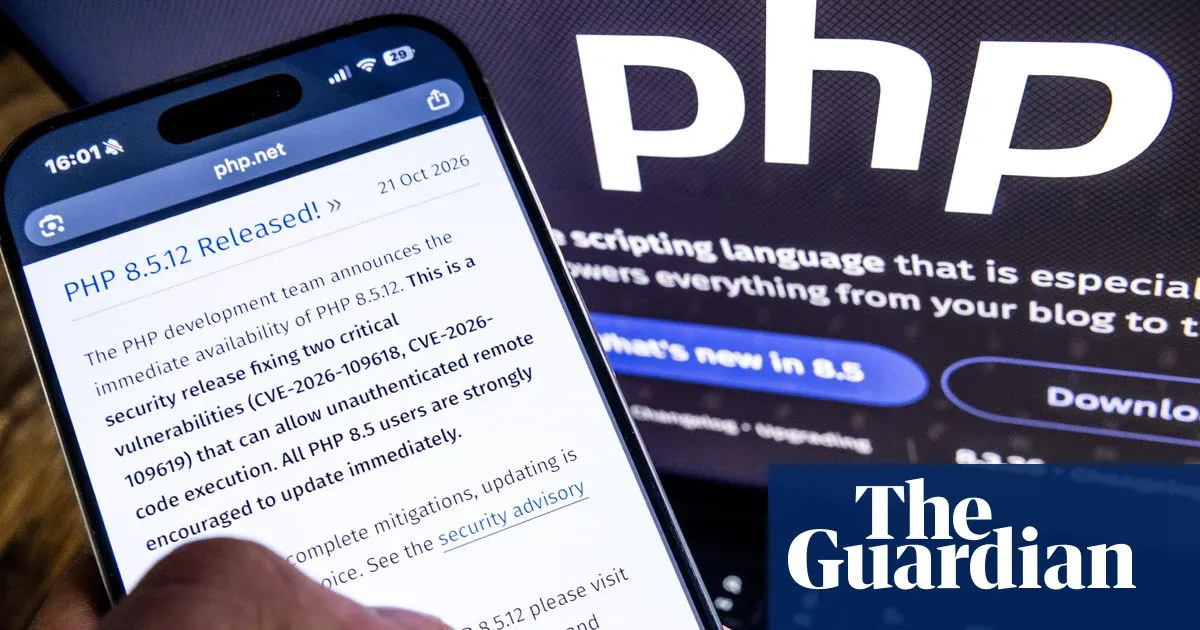
A flaw in PHP just forced governments to pull their own sites offline
European agencies from Belgium to Germany took websites dark to patch a critical weakness in the language behind almost 70% of the web, and the blast radius extends far beyond government portals.

BioWare shuts down, Mass Effect 5 dead after $55B EA buyout
The legendary RPG studio's closure lands months after a $55 billion investment group buyout of EA, raising tough questions for gaming's biggest acquirers.
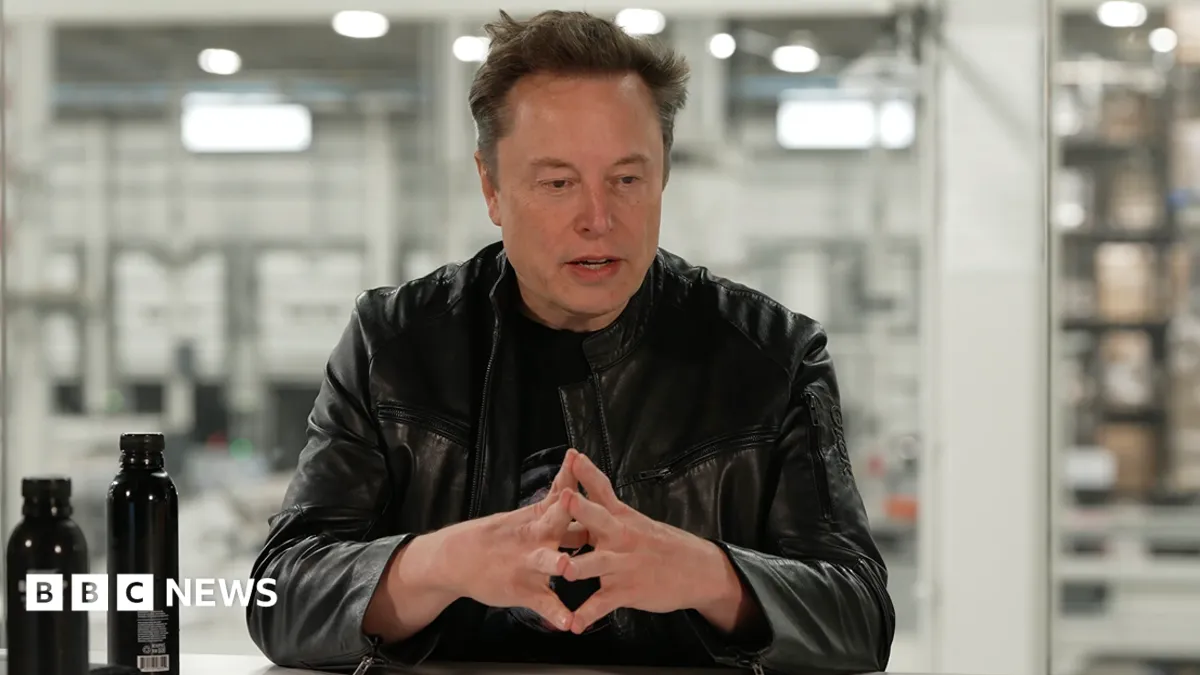
Musk weighs Tesla-SpaceX mega-merger as boards form review panels
Special committees at both companies will examine a tie-up that could fuse electric vehicles and space launch, forcing a fresh look at governance and valuation.