
The Last of Us Part 2 multiplayer dies, but a PC PvP mod launches this September
Naughty Dog canceled the offshoot in 2023, yet modder Speclizer is building a head-to-head PvP mode expected to release this September.
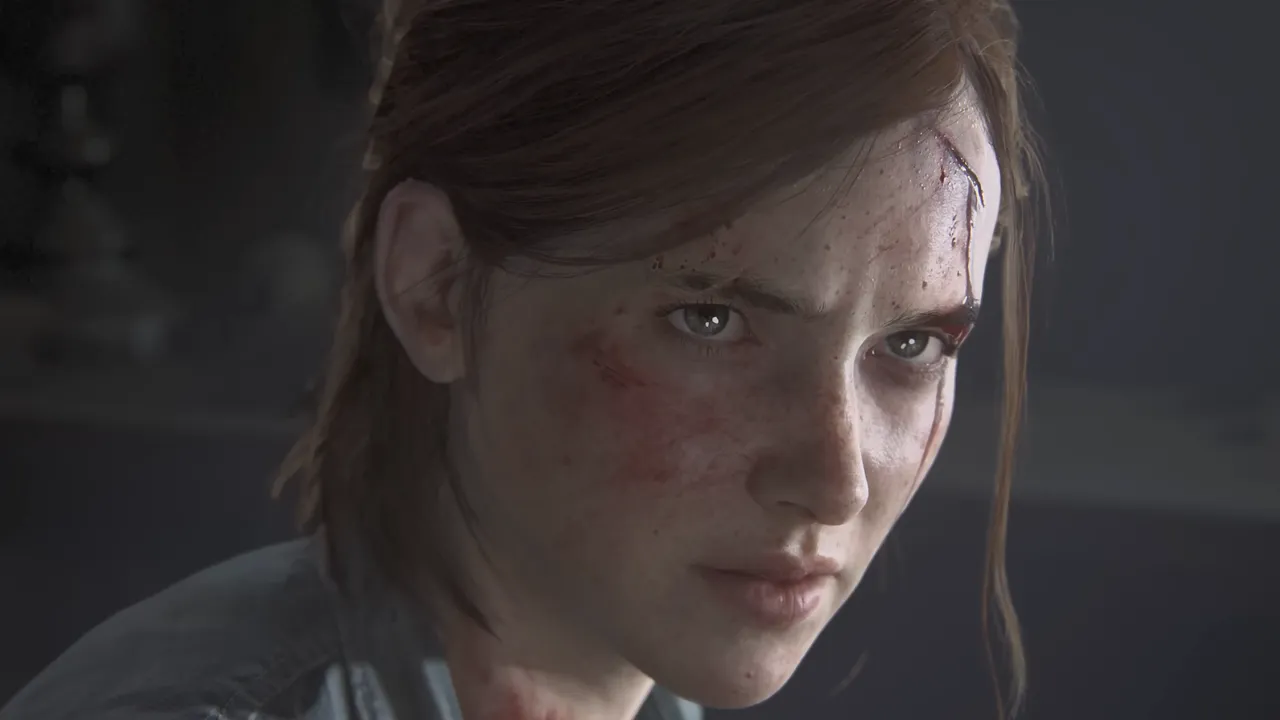
Naughty Dog canceled The Last of Us Part 2's multiplayer project in late 2023, but IGN reports that modder Speclizer is developing a PC PvP mod. After starting development in January 2026, the mod is expected to launch this September with early gameplay showing matchmaking, maps, and loadout selection.
Naughty Dog killed The Last of Us Part 2 multiplayer in late 2023. But if you are still craving a “Factions” style PvP swing, a PC mod called the Last of Us Part 2 multiplayer PvP mod is now expected to launch this September, according to IGN. Modder Speclizer has uploaded about 25 minutes of early gameplay showing a head-to-head mode that lets players play as Abby and Ellie, with potentially other characters too.
The timing is the most telling part. The mod started development in January 2026 and, in Speclizer’s early footage, it already includes the stuff that usually takes the longest to fake convincingly: matchmaking, maps, and loadout selections. IGN notes the current state is rough around the edges, but the earliest moments of the video are “the most telling” because they show the bones of a functioning PvP experience, not just a proof-of-concept skin swap.
To understand why this matters beyond fandom, look at what Naughty Dog said about the original multiplayer vision. The PlayStation studio canceled its long-gestating multiplayer offshoot in late 2023 and promised a shift toward single-player games going forward. The stated reason was operational, not creative. In the IGN source, Naughty Dog explained that releasing and supporting The Last of Us Online would require putting all studio resources behind post launch content for years, which it said would severely impact development on future single-player games. Naughty Dog framed it as a fork in the road: either become a solely live service games studio, or focus on the single-player narrative games that define its heritage.
That incentive structure is the same pressure every major studio feels when a multiplayer project stops being “a side dish” and becomes a permanent second business. Live service tends to demand ongoing support, cadence, and long-term investment, which changes how a board and leadership team evaluate risk. The Last of Us Online cancellation, along with the absence of a release date for the next game, Intergalactic: The Heretic Prophet, puts that strategic recalibration front and center.
And here is the uncomfortable second-order effect: even when official development pauses or ends, communities still try to keep the interactive product alive. Speclizer is not affiliated with Naughty Dog. Still, the mod effort is actively communicating progress through updates and videos, including details shared on Speclizer’s X/Twitter account. IGN specifically points to a June 13 video showing footage of school, Seattle, and gas station maps. It also notes a May update that showed how the modder’s first 1v1 match played out. Other videos suggest experimentation with additional playable characters like Dina and costumes like Ellie’s spacesuit.
For executives and investors, the practical takeaway is not “mods replace studios.” It is that player demand creates a persistent signal that leadership teams cannot easily erase. When an IP pauses its multiplayer roadmap, the market does not just go quiet. It fragments into unofficial experiments, partial fulfillments, and community-run pipelines for keeping a game category alive. In other words, “we canceled it” does not mean “the asset is dead.” It means the execution burden moves.
The source also anchors this in internal development history. IGN notes that Shuhei Yoshida, a former Sony Interactive Entertainment executive, said last year that the version of the game he was aware of was “great.” It also says Vinit Agarwal, who previously served as director for The Last of Us Part 2’s multiplayer spin-off, stated earlier this year that it was nearly 80% complete when it was canceled. Those details matter because they suggest the decision to cancel came after meaningful build-out, not at the earliest idea stage.
So what do you do with that, strategically? You watch the gap between official commitment and community appetite, then you evaluate your own portfolio planning. If you are a studio leader, the question is whether you can sustain multiplayer timelines without starving the single-player roadmap your brand depends on. If you are an investor or board member, the question becomes whether the “live service tax” is being treated as a real long-term cost in planning and resourcing, or as something you can postpone until launch. Meanwhile, for players on PC, Speclizer’s expected September release is an immediate, tangible workaround, even if it is only coming to PC for now.
Finally, there is the cultural layer. The PlayStation studio’s critically acclaimed last all-new story, The Last of Us Part 2, launched in June 2020, almost exactly six years before this new mod update cycle. The legacy of The Last of Us multiplayer, especially the “Factions” mode delivered with the original game, is still strong enough that a canceled official path can be replaced, temporarily at least, by a fan-driven version with Abby, Ellie, maps, and loadouts. In the short term, this September mod may fill a hole in players’ hearts. In the long term, it is another reminder that audience energy does not disappear when roadmaps change. It just reroutes.
This story's Key Insights and Take-aways are locked.
Create a free account to unlock Executive Actions for one credit.
Register to UnlockAlways free for Executives Club members. Join the Club
More in Entertainment

Star Wars: Galactic Racer bets on post-war hot rod racing, not nostalgia
Fuse Games and Lucasfilm Games chase a New Republic track story using real-world racing history after WWII.
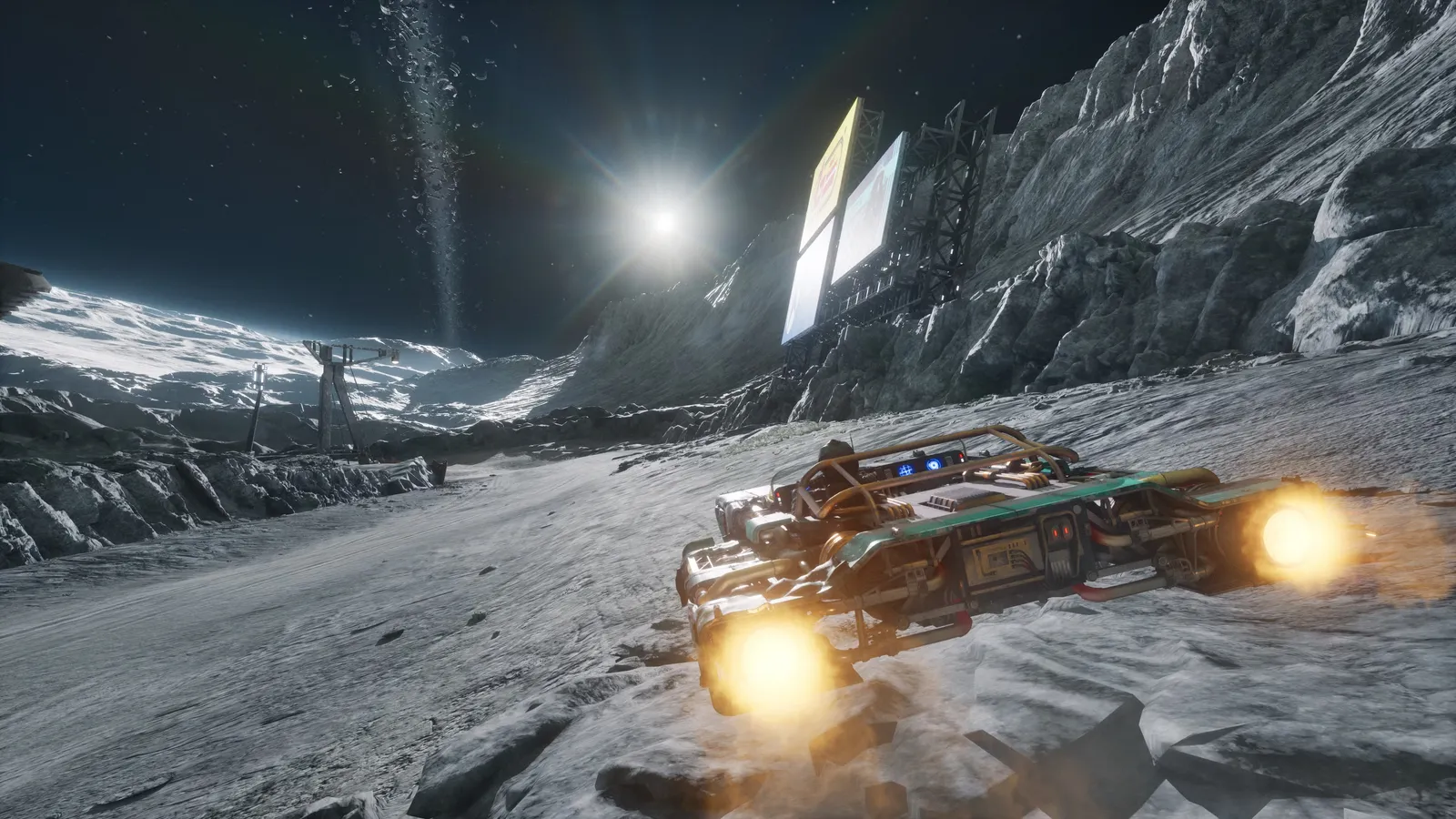
Star Wars: Galactic Racer quietly turns its campaign into a Slay-the-Spire roguelite
A hands-on look at Fuse Games shows why Burnout-style podracing makes a surprising single-player structure work.

UTA inks Coactive AI deal for creator and brand insights, betting on new AI storytelling
The agency’s new digital insights tool is built on AI-generated guidance for creators and the brands they represent.