
The Odyssey opens with $124.5M, proving studios can still bet on Christopher Nolan
A $124.5 million domestic weekend is a data point for executives weighing whether to fund vision or franchise comfort.
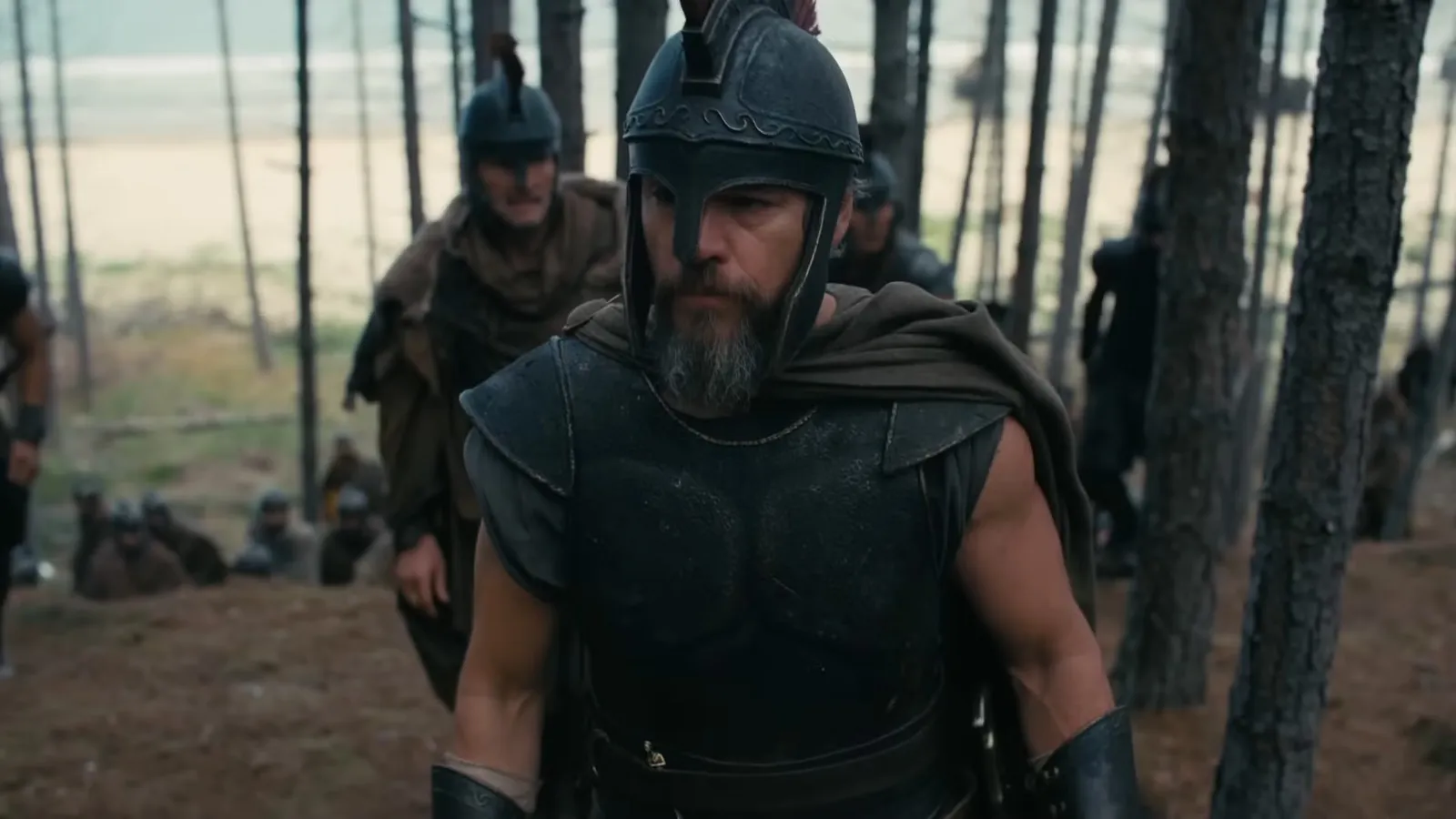
Christopher Nolan's The Odyssey delivered a strong domestic opening weekend of $124.5 million, per Deadline, according to Polygon. For decision-makers, the result argues for backing visionary filmmaking even during a summer where franchise entries stumbled.
Christopher Nolan's The Odyssey hit a domestic opening weekend of $124.5 million, per Deadline, and it matters more than the headline numbers suggest. This is not just another “big movie did big things” datapoint. It is a clean, high-visibility signal in a moment when a lot of studios have been choosing safer, more predictable bets. When the opening weekend comes in so strong, it quietly answers the question executives keep asking behind closed doors: will audiences show up when the pitch is “a visionary filmmaker” instead of “another slot in an already-tested franchise treadmill?”
Polygon frames the moment plainly: in a summer full of flopping franchise films, The Odyssey's success is another win for Nolan, and it should serve as a reminder to studios that supporting artists who actually make the movies can move the needle. The implication for executives is immediate. If a filmmaker-driven event lands with this kind of domestic momentum, then the usual risk narrative starts to wobble. “Vision” is not just a creative slogan. It can be a commercially actionable strategy, especially when the market itself is giving you a counterexample.
To understand why this weekend matters, you have to zoom out to how studio incentives tend to work. Studios run under intense pressure to forecast results, protect cash flow, and justify budgets to boards and investors who prefer fewer surprises. That preference often pushes decision-making toward franchises, sequels, and known brands, because they come with built-in marketing muscle and audience familiarity. In a summer where Polygon notes that franchise films flopped, the expected comfort blanket failed. That matters because it means the “tested formula” argument is not automatically winning anymore. The market is willing to reward something else, if the craft and the audience promise are strong enough.
There is also a second-order governance angle. Boards and leadership teams typically want to reduce downstream volatility, so they reward management teams that deliver repeatable patterns. When a Nolan film opens with $124.5 million domestically, it gives executives a usable line item in internal debates. It is evidence that a bet on a distinctive director can still clear the same bar as standardized properties, at least in the domestic market. That could shift how studios evaluate future slates, especially when internal “greenlight committees” are trying to decide where to allocate scarce production and marketing dollars.
On the audience side, the weekend performance is a reminder of something studios sometimes forget when chasing only the loudest megabrands. The movie business is not only about existing brand equity. It is also about trust and cultural energy. If a director like Christopher Nolan can still generate major opening-weekend demand, that suggests audiences will show up for cinematic events, not just for characters they already know. In practice, this changes the calculus for what kinds of trailers, release strategies, and marketing narratives get funded. Instead of treating “director vision” as a niche creative bet, executives can treat it as a mainstream demand driver.
For studios and their partners, the “domestic opening weekend” figure is also useful because it is an early read on theatrical health. Early momentum can influence how quickly marketing spend gets justified, how long screens might be retained, and how downstream distribution discussions get framed. Even though Polygon only cites the $124.5 million domestic number per Deadline, the broader meaning for executives is that this film is giving them a strong early signal while other high-profile franchise entries struggled.
Second-order, this kind of outcome can reshape internal risk tolerance. If leadership has been tightening standards and favoring predictable IP, a clear counterexample from a visionary filmmaker can reopen the idea that “originality” is not synonymous with commercial uncertainty. It also pressures competitors. When Polygon describes The Odyssey as another win for Nolan, it is not just praise. It is a benchmark that other executives can point to in their own strategic planning, particularly if they have been cutting budgets for more auteur-driven projects.
The strategic stakes are simple. If studios keep letting franchise momentum do all the heavy lifting, they risk repeating a summer where franchise films underperform. The Odyssey's $124.5 million domestic opening weekend is a concrete reason to reconsider that approach. For decision-makers, the takeaway is not that franchises are dead. It is that the market can still reward visionary filmmaking, and the data point is right there, in the opening weekend results.
This story's Key Insights and Take-aways are locked.
Create a free account to unlock Executive Actions for one credit.
Register to UnlockAlways free for Executives Club members. Join the Club
More in Entertainment

12TB Steam 'teraleak' goes beyond Valve: GTA 3, Mafia 2 prototypes exposed
A 12-terabyte dump of Steam data reveals prototypes and builds of third-party classics like GTA 3 and Mafia 2, plus unreleased Valve content, rewriting game history.

LinkedIn's romance problem: 1 in 4 workers say dating on it is fair game
A new survey shows a quarter of U.S. employees treat the professional network as fair game for romance, even as LinkedIn bans it and removes hundreds of thousands of offending posts.

Enhypen's first No. 1 album breaks K-pop's Billboard 200 streak
The K-pop group's 98,000-unit debut tops the chart while Dolly Parton's catalog reentry shows how death reshapes streaming.