
The rare mutation that lets high-risk brains dodge Alzheimer's
Scientists found a natural defense against protein buildup, opening a new path to preventive treatments.
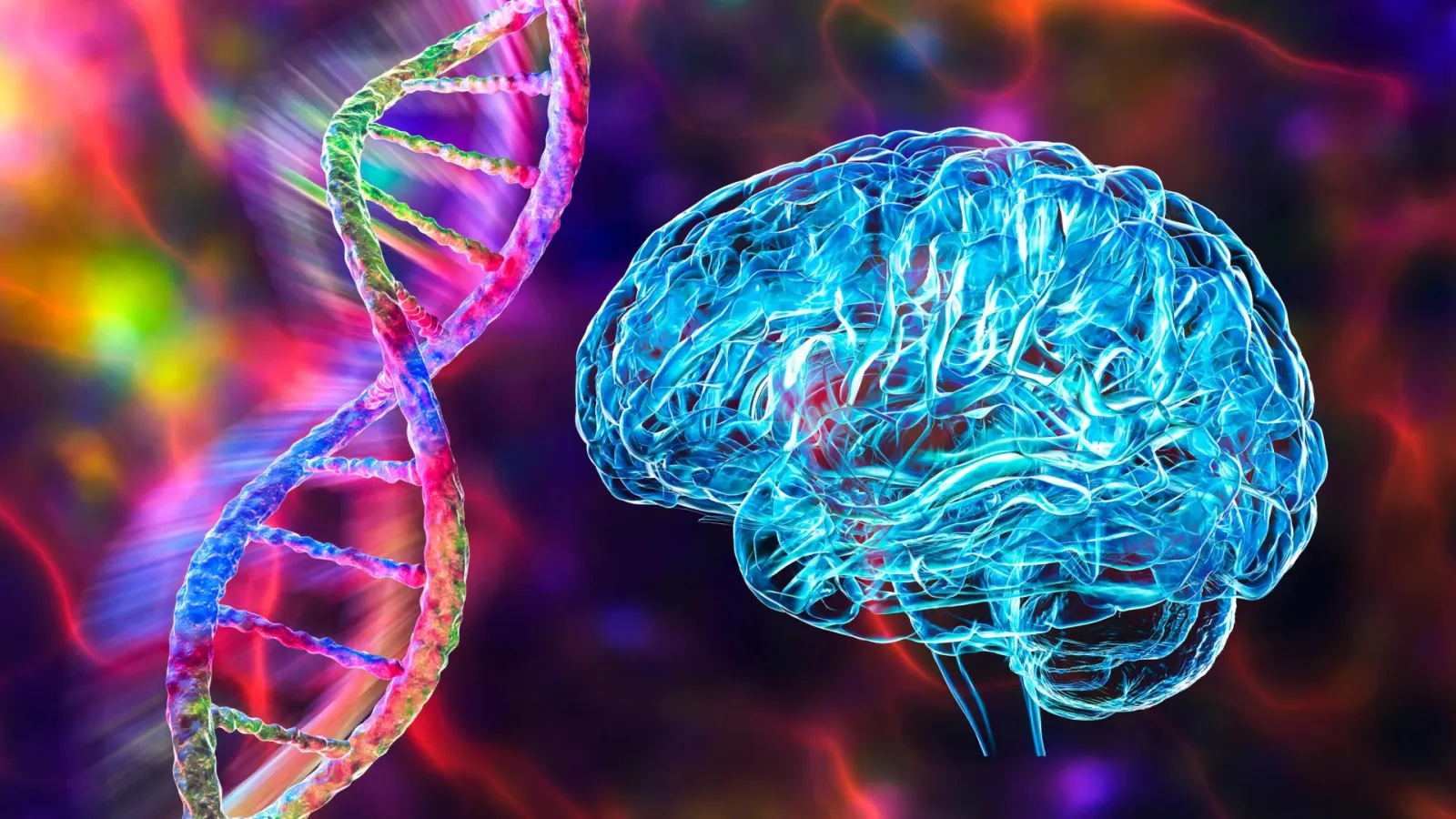
Researchers identified a rare mutation that shields the brain from harmful protein buildup in people carrying a high Alzheimer's risk gene. The discovery points toward preventive treatments that could replicate this natural protection before damage begins.
Scientists have discovered why some people who carry a high genetic risk for Alzheimer's remain mentally sharp into their 80s: a rare mutation that protects the brain from the harmful protein buildup associated with the disease. The finding, reported by ScienceDaily, offers a biological explanation for a puzzle that has frustrated researchers for years. It also points toward a new way to prevent early brain damage, potentially before symptoms ever appear. For anyone with a family history of Alzheimer's, this is a genuinely hopeful development: the presence of a risk gene is not destiny, and the body may have defenses we are only beginning to understand.
The discovery centers on a rare mutation that appears to counteract the effects of a high-risk gene. In people who carry both the risk gene and this protective mutation, the brain seems to resist the accumulation of toxic proteins that typically drive Alzheimer's pathology. That natural defense is exactly what makes the finding so valuable. Instead of trying to clear damage after it occurs, future treatments could mimic this built-in shield from the start, offering a preventive approach that the field has long lacked.
For context, Alzheimer's disease is characterized by the buildup of amyloid plaques and tau tangles in the brain, which disrupt communication between neurons and eventually kill them. Genetic risk factors can significantly increase the likelihood of developing the disease, but they do not guarantee it. This study helps explain why: a rare mutation may act as a buffer, keeping the brain's protein management system functioning even in the presence of high genetic risk. It is a reminder that biology is rarely black and white, and that resilience can be encoded in our DNA.
The implications for drug development are substantial. Most current Alzheimer's treatments focus on managing symptoms or clearing existing protein deposits, often with modest results. A therapy designed to mimic this protective mutation would take a different approach: it would prevent the harmful buildup from happening in the first place. That shift from treatment to prevention is what makes this discovery a potential turning point for the field. It also aligns with a broader trend in medicine toward intervening earlier, before irreversible damage occurs.
For biotech and pharmaceutical executives, the finding validates a growing area of research: genetic resilience. By studying people who should get Alzheimer's but do not, scientists can identify natural mechanisms of protection that are already proven to work in humans. These mechanisms are attractive drug targets because they are not theoretical; they are nature's own experiments, and this one appears to succeed. The challenge now is to translate that natural advantage into a molecule, a therapy, or a gene-editing strategy that can be delivered to patients.
The discovery also raises strategic questions about how to develop and test such a therapy. A preventive treatment would likely need to be given to high-risk individuals long before symptoms appear, which means clinical trials would need to be longer and more expensive than typical Alzheimer's studies. Biomarkers that track protein buildup would become essential tools for measuring whether a drug is actually engaging the protective pathway. Regulators, too, will need to adapt, because the traditional model of testing drugs on symptomatic patients does not fit a preventive approach.
Beyond the lab, the finding underscores the importance of understanding genetic risk in a more nuanced way. A high-risk gene is not a verdict; it is one variable in a complex system. For patients and families, this research offers a reason for hope. For investors and innovators, it highlights an opportunity to back science that could fundamentally change how Alzheimer's is approached, moving from managing decline to preserving function. The market for such a therapy, if it materializes, would be enormous, given the aging global population.
The path from discovery to medicine is long, and many promising findings never become treatments. But this one has a distinct advantage: it is based on a natural defense that already works in humans. The next step is to figure out how to bottle it. For executives across healthcare, biotech, and venture capital, the message is clear: the race to mimic this mutation is just beginning, and the winners will be those who move early, invest in the right biology, and think beyond the conventional playbook.
This story's Key Insights and Take-aways are locked.
Create a free account to unlock Executive Actions for one credit.
Register to UnlockAlways free for Executives Club members. Join the Club
More in Science

Alaska's 1,580-foot tsunami had warning signs. Scientists just found them.
Rapid glacier retreat, heavy rainfall, and thousands of tiny tremors preceded Alaska's 1,580-foot tsunami, a warning for every coastal community in a warming world.

3,000 steps a day may halve Alzheimer's decline, study finds
New research links a modest daily walk to less tau buildup and nearly half the cognitive and functional decline, even for those with early signs.
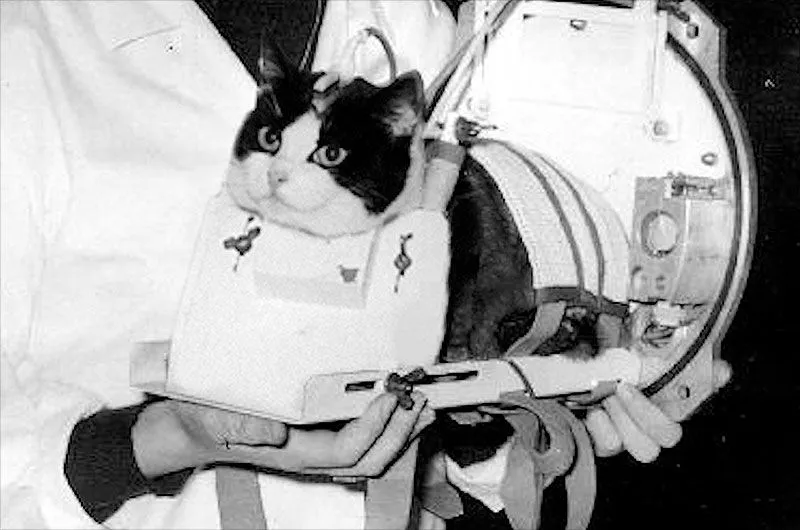
France euthanized Félicette, the first cat in space, two months after her flight
Félicette's 1963 flight made France a space-race player, but her euthanasia and a crowdfunded statue reveal how high-risk programs are remembered.