
Tiny, ticketless Welsh barn raves are beating Glasto vibes by ditching brand activations
Fans are building 60-person, anarchic festivals after expensive tickets and smartphone livery ads killed the renegade feeling.
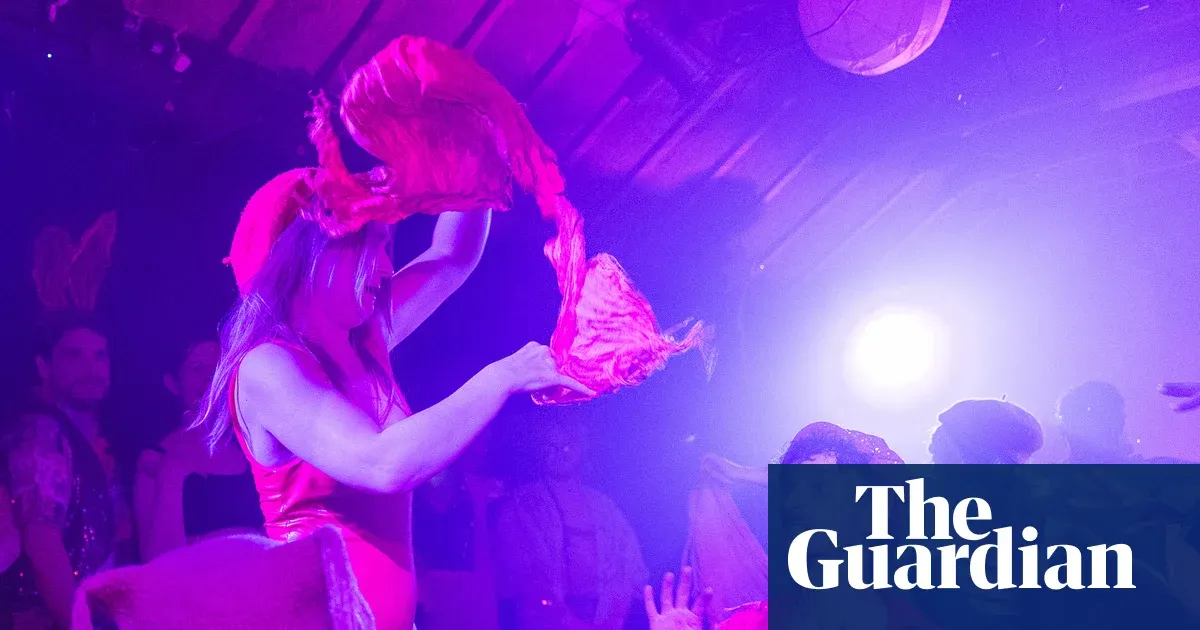
The Guardian describes fans creating small, ticketless festivals like Loveshack, where a DJ plays in a Welsh countryside barn with no competing stages and a 90s-icons dress-up theme. For decision-makers, the consequence is clear: even at Glastonbury scale, independent festivals are re-positioning against “3D advert” onsite branding to keep culture intact.
Picture this: it’s July 2025, you’re DJing at a festival called Loveshack, and you do not worry about losing the crowd to another stage, because there isn’t one. The whole thing is happening in a barn in the Welsh countryside, with a dress-up theme, 90s icons, and the scene sounds less like a ticketed event and more like an improv troupe that decided to have a dance floor. Below the DJ booth, Joanna Lumley is talking to Andre Agassi, while a cop from the Beastie Boys’ “Sabotage” video looks on. People’s possessions are strewn around, but nobody seems stressed about mess or rules, because the audience is not a faceless swarm. It’s just 60 people, mostly drawn from the DJ’s extended friendship group. The Guardian’s point is not that this is the future because it’s cute. It’s the opposite. It’s the future because it’s working where the mainstream model has started to feel expensive, predictable, and branded.
This “tiny secret” festival formula is showing up because some festival fans are fed up with two things: expensive tickets and omnipresent branding. The alternative being built is “anarchic” and ticketless, full of glitter and silliness, and deliberately resistant to the kind of onsite corporate experiences that turn music weekends into walkable product launches. The article frames it as a response to a world where big festivals still move serious numbers, but the independent spirit is getting squeezed. When Glastonbury has a fallow year, its 200,000-odd punters reportedly hunt elsewhere. And that demand is real. Festivals such as Mighty Hoopla and Green Man, the Guardian says, sold out in a day.
So why do executives and operators in the festival ecosystem care about a Welsh barn party with 60 attendees? Because it illustrates a shift in what fans are optimizing for. The mainstream playbook is built around scale, multiple stages, and then sponsorship coverage so heavy it becomes the environment itself. The Guardian describes a growing disappointment with “samey” lineups and, crucially, onsite “brand activations.” These are the moments where you feel like you’re walking around inside an ad, with examples like a bus covered in the livery for a new smartphone. In plain English, it means the sponsor isn’t just advertising. It’s shaping the physical and emotional experience of the event.
The article ties that frustration to an industry tension that boards and investors will recognize: attention is becoming more expensive, but audiences are less tolerant of being treated like marketing inventory. When the crowd is small, the incentives change. There’s no need to justify a large media spend, no requirement to measure engagement via brand footprint, and no pressure to maintain a campus-like schedule across multiple stages. A 60-person group can trade “coverage” for intimacy. The result is a festival that doesn’t feel engineered, which is exactly what the Guardian says fans are starting to build more often.
To ground the trend in governance, the piece quotes John Rostron, who runs the Association of Independent Festivals. His line is blunt: “Not everyone wants to go to a festival and see a Dyson-activated tent.” The quote matters because it’s not just snark. It’s a statement of positioning. Rostron is essentially arguing that independent festivals are competing on vibe and cultural autonomy, not on whether they can assemble a sponsor ecosystem that looks impressive on paper.
There is also a second-order implication that executives should clock: when big festivals pull in massive numbers, the supply chain of talent, production, and even audience expectations gets standardized. The Guardian’s mention of samey lineups is a signal that programming becomes risk-managed. Meanwhile, the tiny events can be unpredictable on purpose. That unpredictability is what creates stickiness for attendees who feel numb after repeated branding and similar headliners.
From a regulatory and operational standpoint, the story doesn’t claim anything about rule-breaking. But it does highlight the structural difference between “ticketless” gatherings and the conventional ticketing ecosystem that mainstream festivals rely on. Smaller scale can mean fewer logistical burdens, but it can also bring different compliance decisions depending on venue, capacity, and safety requirements. The fact pattern the Guardian provides centers on culture, not enforcement. Still, the business reality is that ticketing and sponsor integration often correlate with formalized compliance and reporting pathways, while small groups can move faster because they have fewer moving parts.
For peers in adjacent roles, this is the strategic stake: even when mainstream festivals are selling out, the market for “renegade” experience is not dead. It’s just splintering into formats that are harder to monetize through traditional sponsorship activations. If you run a festival portfolio, a media brand that books shows, or an agency that sells experiences, the lesson is not to copy Joanna Lumley jokes into your sponsor deck. It’s to notice that fans are explicitly rewarding festivals that reduce branding pressure and preserve the feeling of discovery. When the Glastonbury-scale crowd is hunting elsewhere because of a fallow year, the question becomes where that energy lands next. The Guardian’s answer is clear: into tiny events that feel like someone actually invited you, not like you were processed.
This story's Key Insights and Take-aways are locked.
Create a free account to unlock Executive Actions for one credit.
Register to UnlockAlways free for Executives Club members. Join the Club
More in Entertainment

Deltarune Chapter 5 smashes 300,000 Steam peak just minutes after launch
Within minutes, Toby Fox's episodic RPG blows past its own record, changing what “momentum” looks like on Steam.

Chuck Tingle writes a Warhammer 40K Tingler about Warpounder miniatures and spending $
His latest short erotic fiction leans hard into the Warhammer obsession loop: the hobby purchase, the unfinished paint job, and the payoff.
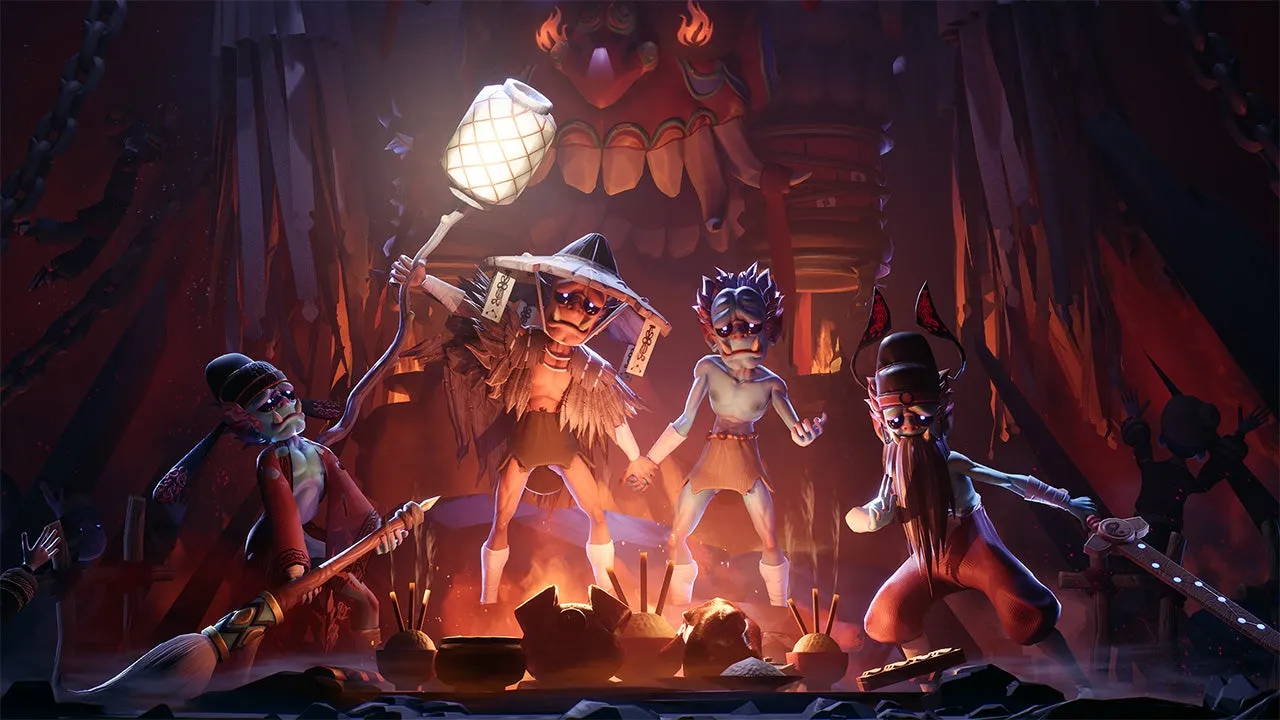
Hundred Nights: DIFU turns purgatory into an underworld ops simulator with D-Cash losses
A Two Point-style management loop, built on Chinese mythology, where staffing, decor, and punishment all affect your balance sheet.