

Todd Howard outlines Fallout 5, Elder Scrolls 6, Fallout 3 and New Vegas remasters
Bethesda Game Studios maps its next years: new mainline releases, remasters, and a Fallout Shelter TV show.
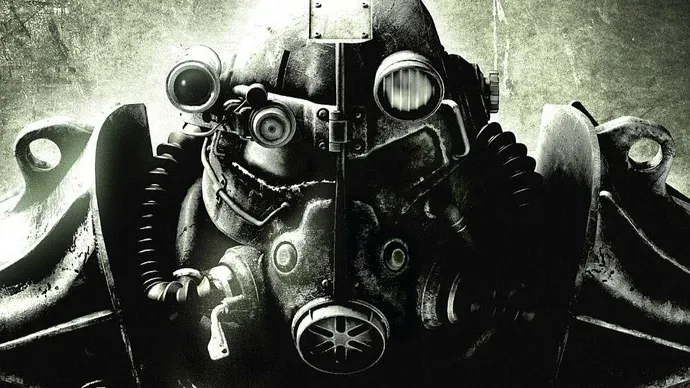
Todd Howard, executive producer and game director at Bethesda Game Studios, published a note outlining the companys plans for the coming years. For decision-makers, it signals how Bethesda intends to spread risk across big launches, remasters, and a new entertainment channel.
Todd Howard, executive producer and game director at Bethesda Game Studios, has published a note laying out what the company plans for the years ahead. The list is stacked: Fallout 5, The Elder Scrolls 6, remasters of Fallout 3 and Fallout: New Vegas, and a Fallout Shelter TV show.
If you are an operator, investor, or anyone managing budget and expectations in games, this matters because it is not one lane. Bethesda is simultaneously pointing at long-horizon, mainline sequels (Fallout 5 and The Elder Scrolls 6) and shorter, commercially safer plays (remasters of Fallout 3 and Fallout: New Vegas). On top of that, it is branching into linear entertainment with a Fallout Shelter TV show. Put simply: Howard is mapping a portfolio, not a single product roadmap.
To understand the second-order implication, you have to remember how game development timelines work. Big RPG franchises typically need years of design iteration, world-building, writing, art production, and engineering. That means the work is front-loaded, and the payoff is delayed. When a studio only has one kind of release, a delay can ripple through revenue forecasts, hiring plans, and marketing schedules. A diversified plan, even one that leans heavily on blockbuster expectations, gives leadership more ways to smooth out the uncertainty.
The remaster announcements are the clearest example of that risk-management instinct. Fallout 3 and Fallout: New Vegas already have proven audiences. Remasters can let teams leverage existing assets and knowledge, while still creating a credible new sales moment for players who may have aged out of the original release window. For a board or finance lead, that can translate into a more staggered cashflow profile, even if margins and development effort differ from original releases. It also changes how you evaluate execution: remasters often come with different operational constraints than a ground-up sequel, but the revenue engine can be steadier.
Then there is the mainline pressure. Fallout 5 and The Elder Scrolls 6 are the kind of titles that define a studios identity, both creatively and commercially. They also shape partner conversations, talent decisions, and platform commitments well beyond the studio itself. In practice, when Bethesda signals those two sequels in the same note as remasters, it tells the market that the company is willing to keep its core franchises moving, even while it uses adjacent offerings to maintain momentum.
Finally, the Fallout Shelter TV show adds a separate but connected variable: franchising into another entertainment format. Games companies are increasingly thinking like media companies, because IP can travel. A TV show can expand awareness, bring lapsed players back, and create marketing gravity for future game releases. For executives, this kind of cross-media move changes planning assumptions. It introduces new stakeholders, schedules, and approval pathways. Even without discussing any production specifics, the fact that Bethesda is publicly pointing to a Fallout Shelter TV show means leadership is betting that brand expansion can reinforce the long-term franchise flywheel.
This is the strategic stakes part: decisions makers in gaming tend to live and die by portfolio timing. A roadmap that includes Fallout 5 and The Elder Scrolls 6 tells you Bethesda is still anchored on the biggest possible destinations. The remasters of Fallout 3 and Fallout: New Vegas tell you the company is also investing in continuity and near-to-mid-term value capture. And the Fallout Shelter TV show tells you it wants the franchise to keep showing up in culture, not just in patch notes.
For peers with similar roles, the lesson is less about Bethesda specific creative details and more about how leadership frames uncertainty. When the development horizon is long, you either accept volatility or you design around it. Howard has laid out a plan that attempts to do the latter, using new flagship releases, familiar remastered entries, and an entertainment extension to keep the franchise engine running across multiple time horizons.
This story's Key Insights and Take-aways are locked.
Create a free account to unlock Executive Actions for one credit.
Register to UnlockAlways free for Executives Club members. Join the Club
More in Entertainment

12TB Steam 'teraleak' goes beyond Valve: GTA 3, Mafia 2 prototypes exposed
A 12-terabyte dump of Steam data reveals prototypes and builds of third-party classics like GTA 3 and Mafia 2, plus unreleased Valve content, rewriting game history.

LinkedIn's romance problem: 1 in 4 workers say dating on it is fair game
A new survey shows a quarter of U.S. employees treat the professional network as fair game for romance, even as LinkedIn bans it and removes hundreds of thousands of offending posts.

Enhypen's first No. 1 album breaks K-pop's Billboard 200 streak
The K-pop group's 98,000-unit debut tops the chart while Dolly Parton's catalog reentry shows how death reshapes streaming.